
Balance: Mastering the Difficulty Curve in Game Design
What you'll learn
 Difficulty Curve TypesPlayer Engagement StrategiesChallenge vs. FrustrationGame Design Principles
The difficulty curve is the invisible hand that guides a player's journey, dictating the ebb and flow of challenge and reward. For game designers and developers, understanding and meticulously crafting this curve is not merely a technical task; it is an art form crucial to ensuring player engagement, fostering skill progression, and ultimately, determining a game's longevity and success.
What is a Difficulty Curve?
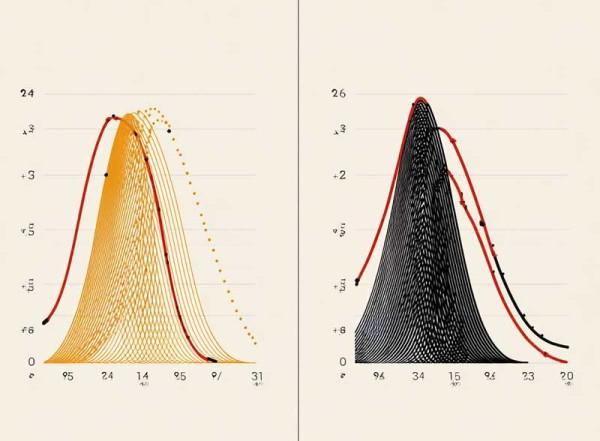
At its core, a difficulty curve represents the rate at which the challenge presented to a player increases or decreases over the course of a game. It's not simply about numerical boosts to enemy health or damage; it encompasses the introduction of new mechanics, the complexity of puzzles, the need for advanced strategies, resource management, and the overall demands placed on a player's cognitive and motor skills. A well-designed curve ensures that the game remains consistently engaging, never becoming too easy to bore nor too hard to frustrate.
Different games utilize various types of difficulty curves, each suited to their particular genre and design philosophy:
- Linear: A steady, gradual increase in challenge, often seen in story-driven adventure games where players are expected to learn at a consistent pace.
- Exponential: Starts relatively easy but ramps up sharply, commonly found in survival games or roguelikes where initial struggles quickly give way to intense, demanding scenarios.
- Staircase/Spiked: Characterized by periods of escalating challenge interspersed with plateaus or even slight dips. This pattern often aligns with level progression, boss fights followed by exploration, or the introduction of new safe zones.
- Inverse: Less common, this curve might start hard and gradually ease up, perhaps to teach resilience or to front-load complex mechanics before allowing players more freedom.
- Dynamic: An adaptive curve that adjusts the game's difficulty in real-time based on player performance, attempting to keep them in a perpetual state of 'flow.'
The Pillars of a Good Difficulty Curve
Crafting an effective difficulty curve rests on several foundational principles that speak directly to the player experience:
- Engagement and Flow: A perfectly tuned curve keeps players in the psychological state of 'flow,' where the challenge presented precisely matches their current skill level. This state is characterized by intense focus, enjoyment, and a sense of timelessness. If the game is too easy, boredom sets in; too hard, frustration leads to disengagement.
- Player Skill Progression: The curve should not just reflect increasing game difficulty but also facilitate and reward the player's own development of skill. New mechanics should be introduced when the player is ready, and mastery should feel earned, not given.
- Variety and Pacing: Monotony is the enemy of engagement. A good curve introduces new enemy types, environmental hazards, puzzle mechanics, or strategic layers at opportune moments. Pacing is key, alternating moments of high intensity and demanding action with periods of respite, exploration, or narrative development.
- Challenge vs. Frustration: This is the fine line every designer walks. Challenge motivates and stimulates; frustration demotivates and often leads to players abandoning the game. The distinction often lies in clarity and feedback: players should understand why they failed and what they can do to improve, rather than feeling arbitrarily punished.
Why is it Critical to Good Game Design?
The difficulty curve isn't just a nicety; it's a critical component that underpins a game's overall quality and commercial viability.
First and foremost, it profoundly impacts player retention. A game with a poorly designed curve will quickly lose its audience. Players will churn if they find the game too easy and unrewarding, or too difficult and unfair. A balanced curve keeps players invested, constantly learning, and striving for mastery.
Secondly, it's central to fostering a strong sense of accomplishment. Overcoming a significant, but fair, challenge provides immense satisfaction and builds a deeper connection between the player and the game. This feeling of achievement is a powerful motivator for continued play and engagement.
Furthermore, a well-thought-out difficulty curve contributes to accessibility. By offering various difficulty settings or an intelligently implemented dynamic system, designers can cater to a broader audience, from casual players seeking a relaxing experience to hardcore enthusiasts desiring extreme challenges. This broad appeal can significantly expand a game's market reach.
Ultimately, the quality of the difficulty curve directly influences a game's reputation, critical reception, and long-term community engagement, all of which are vital for sustained market success.
Common Pitfalls and How to Avoid Them
Even experienced designers can stumble when calibrating difficulty. Awareness of common pitfalls is the first step to avoiding them:
- Sudden Spikes or Drops: Abrupt, unexplained increases in difficulty can feel unfair and frustrating, while prolonged periods of extreme ease can lead to boredom. Gradual transitions and clear telegraphing of upcoming challenges are essential.
- Grinding Over Skill: Forcing players to repeatedly perform mundane tasks to simply inflate stats rather than requiring genuine skill improvement or strategic thinking is a common trap. A good curve emphasizes skill growth, not just time investment.
- Poor Feedback: If a player fails, they need to understand why. Lack of clear feedback on mistakes or a path to improvement transforms challenge into confusion and frustration.
- Lack of Player Choice: Not all players enjoy the same level of challenge. Offering adjustable difficulty settings or alternative strategies empowers players to tailor the experience to their preferences.
Comprehension questions
 What are the main types of difficulty curves discussed in the article, and how do they differ?According to the article, why is the distinction between 'challenge' and 'frustration' crucial for a good difficulty curve?Name three reasons why a well-designed difficulty curve is considered critical to good game design.What common pitfalls should game designers avoid when implementing a difficulty curve, and how can they be mitigated?