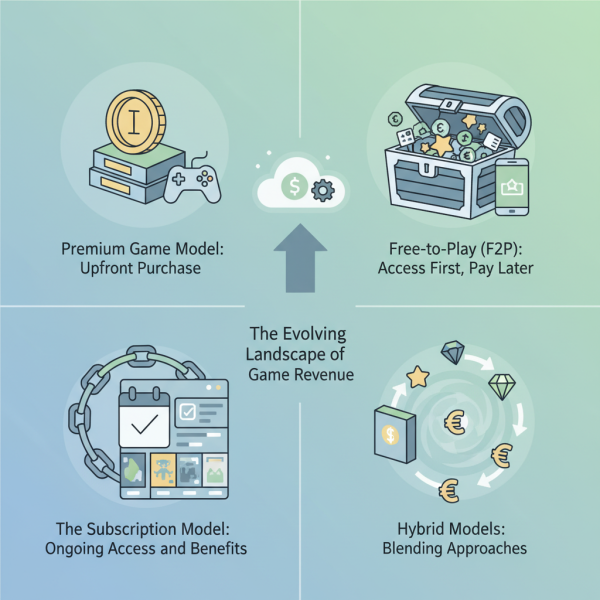
Business of Running a Game Studio
Course Details
Developing a compelling game is a monumental achievement, but transforming that creative endeavor into a sustainable business presents an entirely different set of challenges. Many talented game designers and developers focus intensely on the artistic and technical aspects, often overlooking the critical financial and operational realities that dictate long-term success. This oversight can lead to unexpected hurdles, missed opportunities, and even the unfortunate demise of promising studios.
Understanding the intricate dance between game development and business operations is paramount. It involves dissecting various cost structures, from initial prototyping and development salaries to marketing campaigns and post-launch support. Equally vital is grasping the diverse revenue models available in the gaming industry, whether it's premium sales, free-to-play monetization, subscriptions, or in-game purchases. A clear picture of both sides of the ledger is essential for making informed decisions and ensuring financial viability.
Beyond the numbers, game businesses face unique pitfalls. These can range from scope creep and budget overruns to ineffective marketing strategies, community management missteps, or even legal and intellectual property issues. Identifying and mitigating these common problems before they escalate requires strategic foresight and a solid understanding of industry best practices. This course is designed to equip you with the knowledge to navigate these complexities, turning potential threats into opportunities for growth and resilience.
For video game designers and developers aiming to not only create exceptional games but also build a thriving, profitable studio, this course offers essential insights and practical frameworks. Join us to demystify the business side of game development, learn how to establish robust financial models, avoid common pitfalls, and cultivate a sustainable future for your creative ventures.
Course Contents (11 lessons)
- 1.
 This article explores various game revenue generation methods, detailing premium, free-to-play with in-app purchases, and subscription models, highlighting their evolving applications.
 - 2.
 Effectively managing game development costs involves understanding key financial categories like personnel salaries, specialized tools, extensive marketing, and operational overhead.
 - 3.
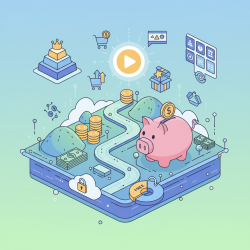 This article explores microtransactions, battle passes, advertising, and subscriptions, detailing these crucial monetization strategies for digital products and services.
 - 4.
 This article outlines how game studios can create realistic budgets, accurately forecast cash flow, and manage financial resources effectively to ensure long-term success.
 - 5.
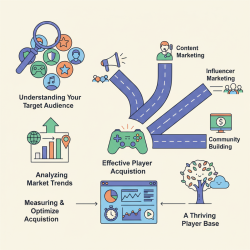 Learn to identify target audiences, analyze gaming market trends, and implement effective player acquisition strategies, ensuring your game's success and growth.
 - 6.
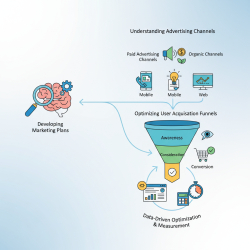 Developing effective marketing plans, understanding advertising channels, and optimizing user acquisition funnels are essential for sustainable business growth.
 - 7.
 Mastering community management for player retention involves active listening, transparent communication, engaging events, effective moderation, and strategic platform utilization, fostering lasting player loyalty.
 - 8.
 Game developers must understand intellectual property: copyrights protect creations, trademarks secure branding, and licenses govern asset usage. This is vital for success.
 - 9.
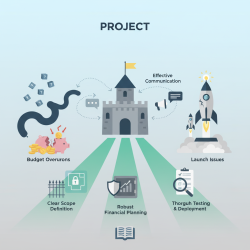 Understand and mitigate common project pitfalls like scope creep, budget overruns, and launch issues through proactive risk management and continuous learning for success.
 - 10.
 Scaling a game business demands strategic team growth, diverse funding, new market exploration, leveraging technology, and strong community building for sustainable success.
 - 11.
 Post-launch analytics provides crucial insights into player behavior, optimizes game performance, and informs future updates for sustained engagement and success.