A Deep Dive into Digital Monetization Strategies
- -->> 3. A Deep Dive into Digital Monetization Strategies
What you'll learn
 Digital Monetization OverviewMicrotransaction MechanicsAdvertising & SubscriptionsHybrid Revenue Models
Establishing robust and diverse revenue streams is paramount for the sustainability and growth of any online product or service. From mobile applications and video games to streaming platforms and software-as-a-service, the methods by which creators and companies generate income have evolved significantly. Understanding these monetization strategies is crucial for both innovators seeking to build viable businesses and consumers navigating the value propositions presented to them.
Microtransactions: Small Payments, Big Impact
Microtransactions involve small payments made by users for virtual goods, features, or services within a digital product, most commonly seen in video games and mobile apps. These transactions can range from cosmetic items like character skins and emotes to convenience items that accelerate progression or unlock content faster. The psychological driver behind their success often stems from instant gratification, personalization, and a desire to enhance one's experience or stand out within a community.
While microtransactions offer accessibility by allowing users to engage with a product for a low or no upfront cost, they also present challenges. Concerns often arise around "pay-to-win" mechanics, where real money offers a significant competitive advantage, potentially alienating free players. Ethical implementation focuses on offering optional, value-added content without creating unfair barriers to progression.
- Cosmetic Items: Enhance aesthetics without affecting gameplay (e.g., character outfits, weapon skins).
- Convenience Items: Save time or effort (e.g., experience boosters, in-game currency packs).
- Gacha Mechanics: Random item draws, often controversial due to similarities with gambling.
Battle Passes and Seasonal Models
Battle passes represent a time-limited monetization strategy, typically found in games, where players can earn tiered rewards by completing challenges and progressing through various levels during a specific season. They usually offer both a free track with limited rewards and a premium track, unlocked by a one-time purchase, providing significantly more valuable items, often including exclusive cosmetics, currency, and other boosts.
This model excels at encouraging consistent player engagement and retention. Players are incentivized to log in regularly and complete tasks to maximize their investment and unlock all available rewards before the season ends. It creates a powerful loop of progression and reward, driving both recurring revenue and sustained interest in the product.
Advertising: The Ubiquitous Model
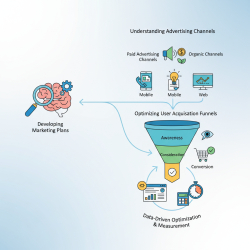
Advertising remains one of the most widespread monetization strategies across various digital platforms, from websites and social media to free-to-play mobile games. It involves displaying ads to users, with revenue generated through impressions, clicks, or conversions. The effectiveness of advertising heavily relies on data analytics and targeted delivery, ensuring that ads are relevant to the user's interests, thereby increasing engagement.
Types of digital advertising include:
- Display Ads: Banners and pop-ups on websites and apps.
- Video Ads: Pre-roll, mid-roll, or post-roll ads in video content.
- Native Advertising: Ads designed to blend seamlessly with the surrounding content, often less intrusive.
- In-App Ads: Specifically within mobile applications, including rewarded video ads where users opt-in for a reward.
The key challenge with advertising is balancing revenue generation with user experience. Overly intrusive or frequent ads can lead to user fatigue and abandonment. Smart implementation involves offering value in exchange for ads, such as rewarded ads in games, or ensuring ads are contextually relevant and non-disruptive.
Subscription Models: Consistent Revenue
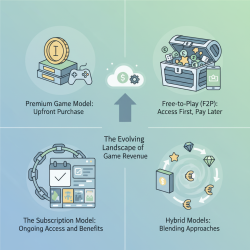
Subscription models involve users paying a recurring fee, typically monthly or annually, to access content, services, or premium features. This model is prevalent in SaaS (Software-as-a-Service), streaming services, news outlets, and even some gaming platforms. Its primary benefit is predictable and recurring revenue, which allows companies to better forecast earnings and invest in product development.
Success in a subscription model hinges on delivering consistent value that justifies the recurring cost. Companies must continuously provide new content, improved features, or an exceptional user experience to prevent churn, where subscribers cancel their service. Exclusive content and premium support are common incentives used to attract and retain subscribers.
Freemium: Try Before You Buy
The freemium model offers a basic version of a product or service for free, while charging for advanced features, additional content, or an ad-free experience. This strategy lowers the barrier to entry, allowing a large user base to experience the core offering without immediate financial commitment. The goal is to convert a percentage of these free users into paying customers by demonstrating the value of the premium offerings.
Effective freemium strategies require careful consideration of what features to gate behind a paywall. The free tier must be compelling enough to attract users, yet the premium tier must offer significant, desirable advantages to encourage upgrades. This balance is critical for sustainable growth and conversion rates.
Hybrid Approaches and Future Trends
Many successful digital products today employ a hybrid approach, combining multiple monetization strategies to maximize revenue and cater to diverse user preferences. For instance, a mobile game might offer a free-to-play model, incorporate microtransactions for cosmetics, feature a seasonal battle pass, and even include optional rewarded video ads for in-game currency. This multi-faceted strategy creates multiple entry points for monetization and diversifies income streams.
As the digital landscape continues to evolve, so too will monetization strategies. Emerging trends include the integration of blockchain and NFTs for digital ownership, creator-economy models where users directly support content creators, and highly personalized pricing structures. The emphasis will remain on creating value, fostering community, and adapting to user expectations while maintaining ethical practices.
Summary
This article explored a comprehensive array of digital monetization strategies crucial for sustainable business in the modern digital age. We delved into the mechanics and implications of microtransactions, which leverage small, in-app purchases for cosmetics or convenience, and battle passes that drive engagement through tiered, time-limited rewards. We also examined the pervasive nature of advertising, from display to native ads, and the importance of balancing revenue with user experience. Furthermore, we covered the predictable income offered by subscription models and the conversion potential of freemium offerings. The discussion highlighted how combining these strategies often leads to the most robust and adaptive revenue generation, while stressing the importance of ethical considerations in all monetization efforts.
Comprehension questions
 What is the primary psychological driver behind the success of microtransactions?How do battle passes encourage both player engagement and consistent revenue?What are some key considerations for businesses when integrating advertising into their digital products?Explain the core difference between a freemium model and a subscription model in terms of user access.
Review Quiz
Next Lesson

Course Contents : Business of Running a Game Studio
- >> 3.
 A Deep Dive into Digital Monetization Strategies