Understanding Intellectual Property: Copyrights, Trademarks, and Licensing
- -->> 8. Understanding Intellectual Property: Copyrights, Trademarks, and Licensing
What you'll learn
 Understanding Copyrights in Game DevelopmentThe Power of TrademarksNavigating Licensing AgreementsPractical Steps for Game Developers
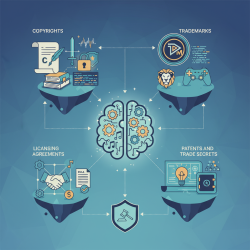
Game development is a creative and technical endeavor, but it’s also a business deeply rooted in legal frameworks. Understanding intellectual property (IP) considerations like copyrights, trademarks, and licensing is not just good practice; it's absolutely crucial for protecting your creations, avoiding costly disputes, and ensuring the long-term success of your games. Navigating these legal waters can seem daunting, but a foundational grasp of these concepts empowers developers to make informed decisions and safeguard their valuable assets from conception to launch and beyond.
Understanding Copyrights in Game Development
Copyright protection is arguably the most fundamental form of IP for game developers. It automatically grants exclusive rights to creators for their original works of authorship, fixed in a tangible medium of expression. In the context of games, this encompasses a wide array of elements:
- Source Code: The underlying programming that makes the game function.
- Art Assets: Character designs, environments, user interfaces, textures, and animations.
- Sound & Music: Original soundtracks, sound effects, and voice acting.
- Narrative & Dialogue: Storylines, scripts, character dialogue, and lore.
- Game Design Document: The written blueprint detailing game mechanics and concepts.
While copyright protection is generally automatic upon creation, registering your copyright with the appropriate national office (e.g., the U.S. Copyright Office) offers significant benefits. Registration provides a public record of ownership, strengthens your position in infringement lawsuits, and is often a prerequisite for suing someone for infringement.
It’s important to understand the concept of "fair use" or "fair dealing," which allows limited use of copyrighted material without permission for purposes such as criticism, commentary, news reporting, teaching, scholarship, or research. However, the boundaries of fair use are often complex and depend on several factors, making it a risky area without legal advice.
The Power of Trademarks
Where copyright protects the expression of an idea, trademarks protect elements that distinguish your goods and services in the marketplace. For game developers, trademarks are vital for branding and establishing identity:
- Game Titles: The name of your game.
- Logos: Your studio logo and game logos.
- Character Names: Distinctive names for protagonists or memorable characters.
- Slogans: Catchy phrases associated with your game or studio.
Before settling on a name or logo, conducting a thorough trademark search is essential to ensure it's not already in use by another company, especially within the entertainment or software industries. Using an existing trademark can lead to cease and desist letters, rebranding costs, and potential lawsuits.
Registering a trademark provides stronger legal protection and rights, allowing you to prevent others from using similar marks that could confuse consumers about the source of goods or services. Unlike copyright, trademark rights can last indefinitely as long as the mark is actively used in commerce and maintained.
Navigating Licensing Agreements
Licensing is a cornerstone of modern game development, enabling developers to use existing technologies and assets without having to create everything from scratch. These agreements define the terms under which one party grants another permission to use their IP. Key areas include:
- Game Engines: Licensing agreements for engines like Unity or Unreal Engine often involve royalties or subscription fees based on your game's revenue.
- Middleware & Tools: Licenses for physics engines, animation tools, or network libraries.
- Stock Assets: Agreements for using stock music, sound effects, 3D models, or texture packs. Always review the terms carefully to ensure you have the necessary rights for commercial use and distribution.
- Music Licensing: Using popular music in your game requires synchronization licenses (for the composition) and master use licenses (for the specific recording). These can be complex and expensive.
Conversely, you might also license out your own IP. This could involve licensing your game to a publisher, allowing merchandise manufacturers to use your characters, or even sub-licensing a component of your proprietary technology to other developers. Clear, well-drafted licensing agreements are critical to protect both the licensor and the licensee.
Other Legal Considerations: Patents and Trade Secrets
While less common than copyrights and trademarks in game development, patents and trade secrets also play a role:
- Patents: Patents protect novel, non-obvious, and useful inventions. In games, this could theoretically extend to unique game mechanics, algorithms, or hardware. However, securing game mechanic patents is challenging and often met with skepticism regarding their novelty and non-obviousness. Most game innovations are protected through copyright (as expression) or trade secrets (as proprietary knowledge).
- Trade Secrets: These are confidential pieces of information that give a business a competitive edge. This could include unreleased game features, proprietary algorithms not publicly patented, marketing strategies, or customer lists. Protecting trade secrets involves robust internal security measures, non-disclosure agreements (NDAs) with employees and partners, and clear policies on confidentiality.
Practical Steps for Game Developers
Proactive legal planning can save immense trouble down the line. Here are practical steps to integrate legal considerations into your development process:
- Conduct Due Diligence Early: Before committing to a game title, character, or key mechanic, research existing IPs. Perform copyright and trademark searches to identify potential conflicts.
- Formalize Agreements with Collaborators: Ensure all team members, contractors, and freelancers sign clear contracts. These should specify ownership of IP created during the project (work-for-hire agreements) and define royalties or profit sharing.
- Document Everything: Maintain detailed records of when and by whom IP assets were created. This can be invaluable in proving ownership if disputes arise.
- Understand Open Source Licenses: If using open-source libraries or assets, carefully read and comply with their specific licenses (e.g., MIT, GPL, Apache). Some licenses require you to open-source your own code.
- Seek Professional Legal Counsel: When in doubt, consult with an attorney specializing in intellectual property and entertainment law. Their expertise can help you navigate complex licensing terms, draft contracts, and protect your assets effectively.
Summary
For game developers, a thorough understanding of legal and intellectual property considerations is paramount to success and protection. Copyright safeguards creative expressions like code and art, trademarks protect brand identity through names and logos, and licensing agreements define the rights to use or distribute various assets. While patents and trade secrets have niche applications, diligent due diligence, clear contractual agreements with collaborators, and professional legal guidance form the bedrock of responsible and secure game development practices.
Comprehension questions
 What specific elements of a game are typically protected by copyright?How do trademark rights differ from copyright protection for game development assets?What are some common types of licensing agreements encountered by game developers?What practical steps should game developers take to proactively manage and protect their intellectual property?
Community Poll
Next Lesson
Course Contents : Business of Running a Game Studio
- >> 8.
 Understanding Intellectual Property: Copyrights, Trademarks, and Licensing