Introduction to Gaming Based Business Models
- -->> 1. Introduction to Gaming Based Business Models
What you'll learn
 Premium Game MonetizationFree-to-Play Revenue StrategiesSubscription Gaming ServicesHybrid Business Models
The video game industry is a vast and dynamic landscape, not just in terms of creative output but also in its innovative approaches to revenue generation. Understanding how games make money is crucial for developers, publishers, and players alike, as these models directly influence game design, content updates, and overall player experience. From the early days of physical copies to today's complex digital ecosystems, the methods by which games generate income have evolved dramatically, offering diverse pathways for success and engagement.
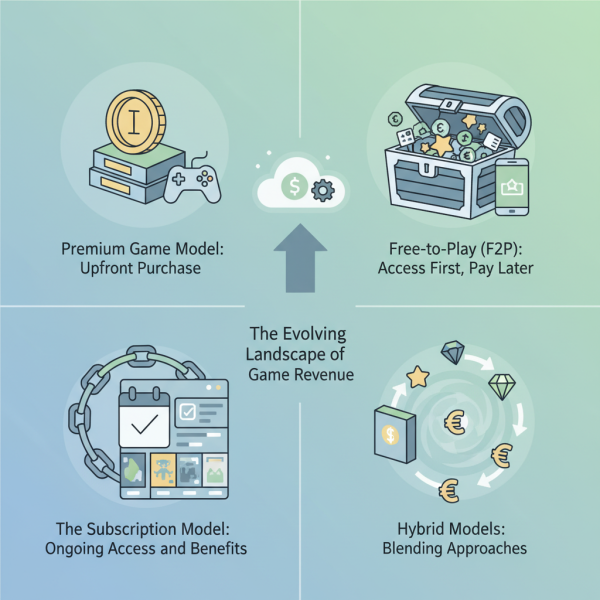
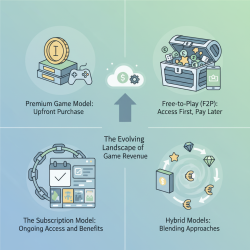
The Premium Game Model: Upfront Purchase
The premium model, also known as buy-to-play, is the most traditional way games have been sold. Players pay a one-time fee to own the game outright. This model typically provides access to the complete game experience without further mandatory purchases, though optional downloadable content (DLC) or expansions may be offered later.
This model establishes a clear value proposition: pay once, play forever. It's often favored by single-player narrative-driven games or titles that want to avoid the complexities and potential negative perceptions associated with in-game monetization. Examples include many console blockbusters and independent PC titles.
Pros:
- Clear cost for the consumer.
- Focus on complete game experience at launch.
- Often leads to higher initial quality due to pressure for a strong first impression.
- No ongoing monetization design conflicts.
Cons:
- High barrier to entry for some players.
- Limited post-launch revenue without DLC.
- Reliance on strong initial sales and marketing.
Free-to-Play (F2P): Access First, Pay Later
The free-to-play model offers games at no upfront cost, allowing players to download and experience core content without spending a dime. Revenue is then generated through various optional in-game purchases or advertisements. This model has democratized access to gaming and significantly expanded the player base, particularly on mobile platforms and for online multiplayer titles.
In-App Purchases (IAPs)
IAPs are the cornerstone of most F2P games. They come in many forms, each designed to appeal to different player motivations:
- Cosmetic Items: These alter a character's appearance, offering personalization without affecting gameplay mechanics. Skins, emotes, and avatars are common examples. This is generally considered the most player-friendly form of IAP.
- Convenience Items: These accelerate progress or reduce grind, such as experience boosters, resource packs, or instant unlocks. They save players time but don't inherently provide a power advantage that can't be earned through play.
- Pay-to-Win Items: These directly offer significant gameplay advantages over non-paying players. While highly profitable for some developers, this approach is often controversial and can alienate large segments of the player base, leading to negative perceptions and an uneven competitive landscape.
- Loot Boxes/Gacha Mechanics: Players purchase a chance to receive a random item, often from a tiered rarity system. These can be highly addictive and have drawn scrutiny from regulators due to their similarity to gambling.
Advertisements
Many F2P games, especially on mobile, integrate ads as a revenue stream. These can be interstitial ads that appear between game sessions, rewarded ads that offer in-game bonuses for watching, or banner ads. While generally less lucrative than IAPs for core games, ads provide a steady income stream and can supplement other monetization efforts.
Battle Passes and Season Passes
Popularized by titles like Fortnite, battle passes offer a progression system where players earn rewards by playing the game within a specific season. A free tier is usually available, but purchasing a premium battle pass unlocks additional, often more desirable, rewards. This model encourages consistent engagement and provides a recurring revenue stream for seasonal content.
The Subscription Model: Ongoing Access and Benefits
The subscription model requires players to pay a recurring fee, typically monthly or annually, to access a game or a library of games. This model guarantees a steady, predictable income stream for developers, allowing for continuous content updates and server maintenance.
Massively Multiplayer Online Role-Playing Games (MMORPGs) like World of Warcraft traditionally used this model to fund their expansive worlds and ongoing development. More recently, subscription services have evolved to offer entire libraries of games, such as Xbox Game Pass or PlayStation Plus, providing incredible value to players who enjoy exploring a wide variety of titles without individual purchases.
This model fosters strong community engagement as players are invested in the long-term health of the game or service. The constant flow of revenue supports dedicated development teams focused on keeping content fresh and engaging.
Hybrid Models: Blending Approaches
In today's complex market, many games adopt hybrid business models, combining elements from different strategies. For instance, a premium game might also offer optional cosmetic DLC or a season pass for future content updates. Similarly, a free-to-play game might offer a "starter pack" for a one-time fee, providing a significant boost to new players, or a subscription option that grants daily rewards and ad removal.
The flexibility of hybrid models allows developers to cater to diverse player preferences and maximize revenue potential across different segments of their audience. This strategic blending often seeks to balance initial accessibility with ongoing monetization opportunities.
Conclusion
The world of game business models is a testament to the industry's adaptability and innovation. From the straightforward premium purchase to the intricate layers of free-to-play monetization and the steady streams of subscription services, each model presents unique opportunities and challenges. Successful game companies meticulously choose and often combine these strategies to align with their game's genre, target audience, and long-term vision, constantly evolving to meet player expectations and market demands.
Comprehension questions
 What are the primary advantages and disadvantages of the premium game business model?Name and describe three different types of in-app purchases commonly found in free-to-play games.How do battle passes contribute to revenue and player engagement in free-to-play titles?Explain the core difference between a subscription model for a single game and a subscription for a library of games.
Community Poll
Next Lesson
Course Contents : Business of Running a Game Studio
- >> 1.
 Introduction to Gaming Based Business Models