Mitigating Common Pitfalls and Mastering Risk Management
- -->> 9. Mitigating Common Pitfalls and Mastering Risk Management
What you'll learn
 Project ChallengesRisk Mitigation StrategiesFinancial PlanningScope Control
Projects, regardless of their scale or industry, are inherently susceptible to a myriad of challenges that can derail timelines, inflate costs, and compromise quality. Recognizing and proactively addressing these common pitfalls through robust risk management strategies is paramount for any endeavor aiming for a smooth execution and a triumphant conclusion. This article delves into the typical hurdles projects face and outlines practical, actionable strategies to mitigate their impact, fostering a more resilient and predictable project environment.
Understanding Common Pitfalls
Project teams frequently encounter a set of recurring problems that, if left unchecked, can escalate into significant impediments. Awareness of these common pitfalls is the first step towards effective prevention and management.
Scope Creep
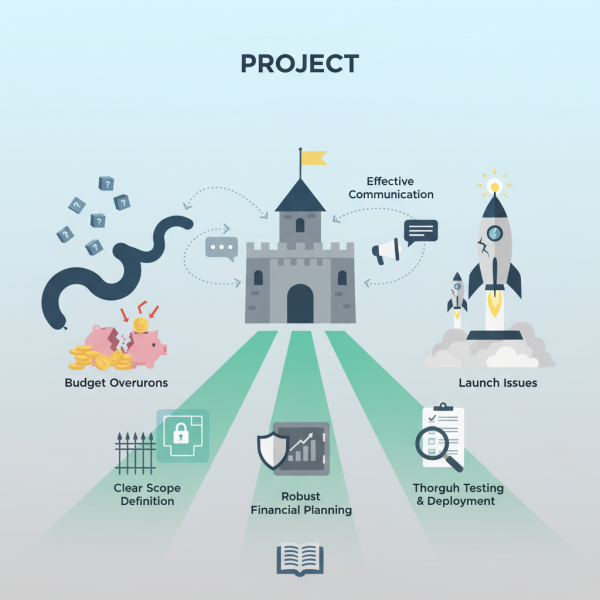
Scope creep, perhaps one of the most insidious project risks, refers to the uncontrolled growth or addition of features and functionalities to a project after its initial scope has been defined. This gradual expansion, often driven by evolving stakeholder requests or unforeseen requirements, can silently drain resources, extend timelines, and dilute the project's original objectives. It frequently leads to team burnout and a product that is overly complex or fails to meet core user needs.
Budget Overruns
Financial mismanagement and unexpected expenses are primary causes of budget overruns. Poor initial cost estimations, failure to account for contingencies, changes in market prices for materials or services, and inefficient resource allocation can all contribute to a project exceeding its allocated funds. These overruns can severely impact a company's financial health and even lead to project abandonment.
Launch Issues
The final phase of a project, deployment or launch, is often fraught with its own unique set of challenges. These can range from critical software bugs and technical glitches to poor user adoption, inadequate marketing, or negative market reception. A flawed launch can undermine all prior efforts, damage brand reputation, and result in a product or service failing to gain traction, even if the underlying development was sound.
Proactive Risk Management Strategies
Mitigating these common pitfalls requires a strategic, proactive approach to risk management that is integrated throughout the project lifecycle.
Clear Scope Definition and Management
Defining and rigorously managing the project scope is foundational to avoiding scope creep. This involves a detailed and unambiguous initial scope statement, validated by all key stakeholders. Equally important is establishing a formal change control process.
- Document all requirements thoroughly at the outset, ensuring clarity and mutual understanding.
- Implement a strict change request procedure where any proposed alteration to the scope is formally submitted, reviewed for impact on schedule and budget, and approved by relevant authorities before implementation.
- Regularly communicate the agreed-upon scope to the entire project team and stakeholders to maintain alignment.
Robust Financial Planning and Monitoring
Effective financial management is key to preventing budget overruns. This begins with comprehensive and realistic cost estimation.
- Allocate a dedicated contingency budget for unforeseen expenses, typically 10-15% of the total project budget, depending on risk assessment.
- Implement continuous financial tracking and reporting, comparing actual expenditures against planned budgets on a regular basis.
- Conduct regular cost-benefit analyses for any proposed changes or new features to assess their financial viability before approval.
Thorough Testing and Deployment Planning
To minimize launch issues, a rigorous approach to quality assurance and deployment planning is essential.
- Develop a comprehensive testing strategy that includes unit, integration, system, and user acceptance testing (UAT) phases to identify and resolve defects early.
- Create a detailed deployment plan, including clear steps, responsibilities, communication protocols, and a rollback strategy in case of critical issues.
- Conduct pilot launches or phased rollouts to a smaller audience to gather feedback and refine the product before a full-scale release.
- Ensure adequate user training and support mechanisms are in place prior to launch to facilitate smooth adoption.
Effective Communication and Stakeholder Engagement
Open and transparent communication is a powerful tool in risk mitigation. Keeping all stakeholders informed and engaged can help preempt misunderstandings and address issues before they escalate.
- Establish clear communication channels and a regular reporting schedule to keep stakeholders updated on project progress, risks, and challenges.
- Foster an environment where team members feel comfortable raising concerns or identifying potential risks early.
- Actively solicit feedback from stakeholders throughout the project lifecycle to ensure alignment with expectations and address any diverging requirements promptly.
Building Resilience and Learning from Experience
Beyond specific mitigation strategies, building organizational resilience and fostering a culture of continuous learning are crucial. Conducting post-mortem analyses after project completion, whether successful or challenging, provides invaluable insights. Documenting lessons learned, identifying what worked well and what could be improved, helps refine processes and enhance future project success rates. This commitment to ongoing improvement transforms past challenges into future strengths.
Summary
Successful project execution demands a keen awareness of common pitfalls like scope creep, budget overruns, and launch issues. By implementing proactive strategies such as clear scope definition with strict change control, robust financial planning including contingency funds, thorough testing and deployment plans, and fostering open communication, projects can navigate challenges more effectively. Embracing a culture of continuous learning further strengthens an organization's ability to manage risks and achieve consistent project success.
Comprehension questions
 What are the three common pitfalls discussed in the article that can derail a project?Which proactive strategy is recommended to combat scope creep, and what does it involve?How does robust financial planning and monitoring help in preventing budget overruns?What are some key actions included in thorough testing and deployment planning to minimize launch issues?
Review Quiz
Next Lesson

Course Contents : Business of Running a Game Studio
- >> 9.
 Mitigating Common Pitfalls and Mastering Risk Management