Understanding Game Development Costs
- -->> 2. Understanding Game Development Costs
What you'll learn
 Personnel ExpenditureDevelopment ToolingMarketing StrategiesOperational Finances
Game development is a complex and often costly endeavor, requiring a significant investment of time, talent, and resources. Understanding the various financial components involved is crucial for both independent developers and large studios to plan effectively, secure funding, and ensure a project's viability. From the initial concept to post-launch support, every stage incurs expenses that can quickly escalate if not meticulously managed. This article will dissect the primary cost categories in game development, shedding light on where the money goes and offering insights into prudent financial planning within this dynamic industry.
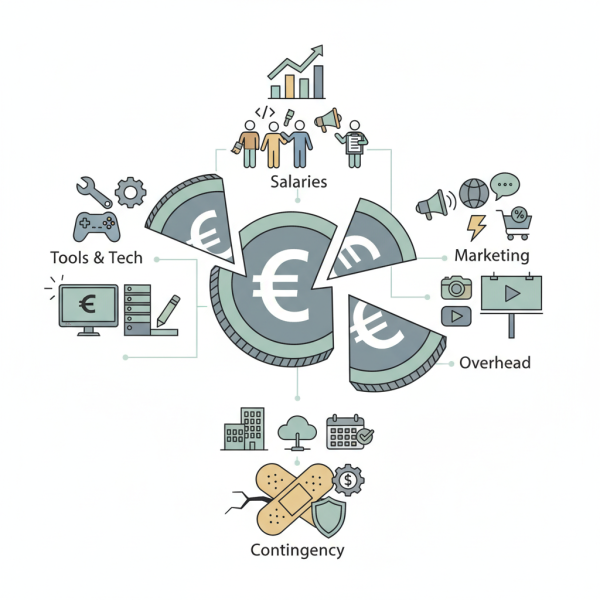
Salaries and Personnel Costs
By far the largest expenditure in game development is human capital. A typical game development team comprises a diverse array of professionals, each commanding specific skill sets and corresponding salaries. These costs are ongoing throughout the development cycle and can vary dramatically based on location, experience levels, and the size of the team.
Key roles and their associated costs include:
- Programmers: Essential for coding game mechanics, AI, networking, and engine integration. Highly skilled programmers are in high demand.
- Artists: Encompassing concept artists, 2D/3D artists, animators, and UI/UX designers, they are responsible for all visual aspects of the game.
- Game Designers: Crafting the rules, systems, levels, and overall player experience.
- Producers/Project Managers: Overseeing schedules, budgets, and team coordination to keep the project on track.
- Quality Assurance (QA) Testers: Identifying bugs and ensuring a smooth, playable experience.
- Sound Designers/Composers: Creating immersive audio, sound effects, and musical scores.
Beyond base salaries, personnel costs also include benefits, payroll taxes, insurance, and recruitment fees. Freelancers and contractors can offer flexibility but often come at a higher hourly or project rate.
Tools and Technology
Modern game development relies heavily on specialized software, hardware, and middleware, which represent another significant cost category. These tools enhance productivity, streamline workflows, and enable the creation of high-quality assets and experiences.
Common expenses in this area include:
- Game Engines: Licenses for powerful engines like Unity or Unreal Engine can range from free (with royalty fees for commercial success) to substantial upfront costs for custom solutions or enterprise-level subscriptions.
- Digital Content Creation (DCC) Software: Tools such as Autodesk Maya, Blender, Adobe Photoshop, Substance Painter, and ZBrush are vital for art and animation. Licenses can be perpetual or subscription-based.
- Development Kits and Hardware: Specialized consoles, high-end PCs, motion capture equipment, and VR/AR headsets are often necessary for testing and development, especially for platform-specific titles.
- Middleware: Third-party solutions for physics, networking, UI, audio, or analytics can save development time but require licensing fees.
- Version Control Systems: Tools like Perforce or Git facilitate collaborative development and asset management, sometimes incurring costs for hosting or advanced features.
Marketing and Publishing Expenses
Developing a great game is only half the battle; getting it into the hands of players requires substantial marketing and publishing efforts. These costs can often rival or even exceed development budgets, particularly for larger titles.
Key marketing and publishing costs include:
- Advertising Campaigns: Digital ads (social media, search engines), influencer marketing, PR agencies, and traditional media buys.
- Community Management: Dedicated personnel to engage with players, build hype, and provide support.
- Trade Shows and Conventions: Booth fees, travel, and promotional materials for events like PAX or GDC.
- Localization: Translating game text, voiceovers, and marketing materials for international markets.
- Age Ratings and Certifications: Fees for ESRB, PEGI, and other rating agencies, as well as platform holder certifications (e.g., PlayStation, Xbox, Nintendo).
- Distribution Fees: Platform holders (Steam, Epic Games Store, console storefronts, mobile app stores) typically take a percentage of revenue from game sales.
Operational Overhead
Beyond direct development and marketing, there are numerous ongoing operational costs that ensure the studio functions smoothly. These are often overlooked but contribute significantly to the overall budget.
Operational overhead includes:
- Office Space: Rent, utilities, maintenance, and facility management for a physical studio. Remote teams might still incur costs for co-working spaces or home office stipends.
- Hardware and IT Infrastructure: Servers, workstations, network equipment, software licenses for office productivity, and IT support personnel.
- Legal and Accounting: Fees for legal counsel (contracts, intellectual property, compliance) and financial management services.
- Business Travel: Expenses for team members attending meetings, conferences, or external development partnerships.
- Insurance: Liability insurance, property insurance, and other business-related policies.
- Training and Professional Development: Investing in team skills through courses, workshops, or industry events.
Unexpected Costs and Contingency
Even the most meticulously planned projects will encounter unforeseen challenges. Scope creep, technical hurdles, team turnover, or market shifts can all lead to delays and increased expenses. It is prudent to allocate a contingency budget, typically 10-20% of the total project cost, to absorb these unexpected shocks without derailing the entire project.
Summary
Understanding game development costs is paramount for successful project execution and financial sustainability. The major expenditure categories include significant personnel salaries, licenses for essential tools and technologies, substantial marketing and publishing efforts, and crucial operational overheads. Recognizing these diverse financial demands and planning for contingencies allows developers to navigate the complexities of bringing a game to market more effectively and responsibly, turning creative visions into commercially viable realities.
Comprehension questions
 What is typically the largest expenditure in game development and what factors influence its variability?Name three categories of tools and technology essential for modern game development, and explain why each is important.Beyond advertising campaigns, what other significant costs are involved in the marketing and publishing phase of a game?Why is allocating a contingency budget important in game development, and what percentage is typically recommended?
Review Quiz
Next Lesson
Course Contents : Business of Running a Game Studio
- >> 2.
 Understanding Game Development Costs