
Challenges Indie Devs Face Launching Games on Steam
What you'll learn
 Game Discovery on SteamIndie Game FundingPost-Launch Game SupportDeveloper Burnout Prevention
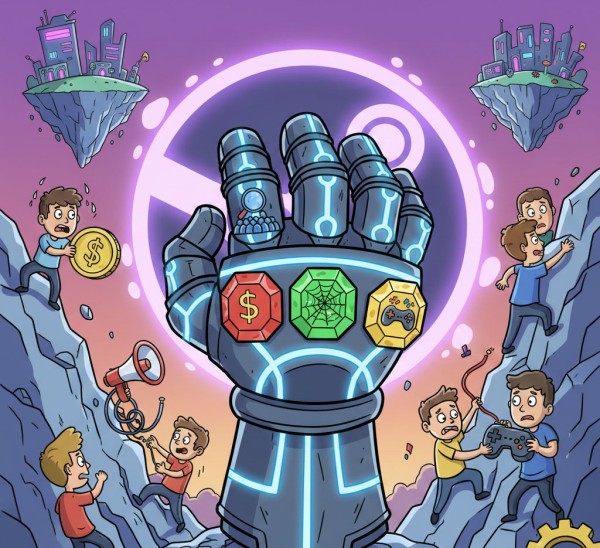
For independent game developers, the Steam app store represents both a dream and a formidable challenge. It's the largest digital distribution platform for PC games, offering unparalleled reach to a global audience of millions. However, this vast ocean of potential players is also a double-edged sword, making it incredibly difficult for a new, small-scale title to stand out. Navigating the complexities of launching a game on Steam requires more than just a great concept and solid code; it demands strategic planning, robust marketing, and unwavering dedication. This article delves into the three biggest challenges indie developers routinely encounter when striving to release their passion projects into the Steam ecosystem, offering insights crucial for fellow game designers and developers.
Challenge 1: The Labyrinth of Visibility and Discovery
The sheer volume of games released on Steam daily is staggering. Thousands of titles flood the marketplace each year, creating an intensely competitive environment where even exceptional games can get lost in the shuffle. For an indie developer with limited resources, cutting through this noise to reach their target audience is arguably the most daunting hurdle.
Algorithmic Dependence and Storefront Features
Steam's storefront relies heavily on algorithms to surface games to players, based on factors like play history, wishlists, and popular trends. While this system aims to personalize discovery, it often favors established titles or games with significant pre-launch hype. New indie games often lack the initial traction needed to be picked up by these algorithms, leading to a vicious cycle where low visibility perpetuates low visibility.
Marketing and Community Building
Effective marketing is no longer a luxury but a necessity. Indie developers must become adept marketers, employing strategies long before launch. This includes engaging with communities on social media, participating in game developer forums, attending online and physical expos, and securing coverage from gaming journalists and content creators. Building a strong community around a game early on can translate into crucial wishlists and day-one sales, which are vital signals to Steam's discovery algorithms. Without a dedicated marketing effort, even a brilliant game can languish unnoticed.
Wishlists: The Lifeblood of Launch
Wishlists are paramount. They serve as direct indicators of player interest and significantly influence a game's visibility during launch and beyond. A high number of wishlists can propel a game onto "Popular New Releases" lists or specific genre pages, providing a much-needed boost. Cultivating wishlists, however, requires continuous pre-launch engagement and effective communication of the game's unique selling points.
Challenge 2: Navigating Financial Constraints and Sustainability
Developing a game is an expensive endeavor, even for a small indie team. Beyond the initial development costs, launching and maintaining a game on Steam introduces a new set of financial pressures that can quickly overwhelm underfunded studios.
Development Costs and Funding
From software licenses and asset purchases to hardware, salaries, and potential outsourcing, the costs accumulate rapidly. Many indie developers bootstrap their projects, relying on personal savings or crowd-funding. Securing external funding, whether through publishers or grants, is an option but comes with its own challenges and requirements. Underestimating these costs or failing to secure adequate funding can lead to project delays, scope reduction, or even cancellation before launch.
Marketing Budget and Post-Launch Expenses
While a free press can be invaluable, many effective marketing campaigns require financial investment. Running advertisements, hiring PR agencies, or participating in paid showcases can quickly deplete a limited budget. Furthermore, the financial commitment doesn't end at launch. Ongoing expenses include server costs for multiplayer games, legal fees, payment processing fees, and, significantly, Steam's revenue share (which is 30% for most sales up to certain thresholds). Developers must also factor in potential refunds and chargebacks, which can eat into earnings.
Sustainable Pricing and Sales Strategies
Determining the right price point for an indie game is a delicate balancing act. Price too high, and sales suffer; price too low, and the game may not generate enough revenue to cover costs or support future development. Managing discounts during sales events is also crucial. While sales can boost visibility and revenue, over-discounting too early can devalue a game in the long run and alienate early adopters who paid full price. Indie developers must meticulously plan their pricing and sales strategies to ensure long-term sustainability.
Challenge 3: The Demands of Quality Control and Post-Launch Support
A successful launch isn't the finish line; it's the beginning of a new phase demanding continuous attention to quality and community engagement. Indie developers, often small teams, frequently struggle to meet these post-launch expectations.
Bug Fixing and Performance Optimization
No game launches perfectly, and players expect quick patches for critical bugs, performance issues, and unexpected crashes. The initial days and weeks post-launch are crucial for addressing these problems. Failing to do so can quickly lead to negative reviews, player churn, and a damaged reputation. This requires developers to shift from creation mode to maintenance mode, which can be resource-intensive and emotionally taxing, especially if the team is small or already burnt out from development.
Community Management and Player Expectations
Engaging with the player community is vital. This includes monitoring forums, responding to feedback, and managing expectations. Players often have strong opinions and high demands, ranging from new features and content to balancing tweaks and technical support. A small indie team can quickly become overwhelmed by the volume of communication and the diverse range of requests, making it challenging to prioritize and respond effectively while also working on fixes and updates.
Ongoing Content Updates and Burnout Risk
Many games benefit from ongoing content updates, whether free or paid DLC, to keep players engaged and attract new ones. However, this commitment to new content requires sustained effort and resources. For indie developers who have already poured years into a project, the prospect of continuous development post-launch can lead to significant burnout. Balancing the desire to support a game with the need for personal well-being and the financial realities of continued development is a constant struggle.
- Patch Management: Quickly identifying, reproducing, and fixing bugs reported by players.
- Community Engagement: Actively participating in discussions, moderating forums, and transparently communicating development plans.
- Content Pipeline: Planning and executing future updates, expansions, or seasonal events to maintain player interest.
- Player Feedback Integration: Sifting through feedback to identify actionable improvements and new features that align with the game's vision and player desires.
Summary
The journey of an indie game developer launching on Steam is fraught with challenges, primarily revolving around gaining visibility in a crowded market, managing severe financial constraints throughout the game's lifecycle, and sustaining the rigorous demands of quality control and community support long after release. Success hinges not just on crafting an excellent game, but also on a strategic approach to marketing, diligent financial planning, and an unwavering commitment to post-launch player experience. Developers who can anticipate and prepare for these hurdles are better positioned to navigate the Steam gauntlet and see their creative visions thrive.
Comprehension questions
 What are the three primary challenges discussed for indie game developers launching on Steam?Why is visibility a significant hurdle for new indie games on the Steam store?Besides initial development costs, what other financial considerations must indie developers account for during and after a Steam launch?