
The Design Requirements Document
Course Details
A well-crafted Design Requirements Document (DRD or also Design Reference Document) serves as the foundational blueprint for your game, guiding every team member from concept to launch. It’s more than just a checklist; it's a living document that captures the essence of your vision, articulates the core mechanics, and defines the player experience, ensuring everyone is aligned on the project's goals and scope. Without a robust DRD, projects can quickly spiral into scope creep, misunderstandings, and costly rework, ultimately impacting budgets and release schedules.
This course is specifically tailored for video game designers and developers who seek to elevate their documentation skills. We will meticulously explore the anatomy of an effective DRD, breaking down its essential components and demystifying the process of translating creative ideas into actionable specifications. You will learn to identify the critical information required for each section, from high-level game overviews to detailed system designs, and understand how to structure this information for maximum clarity and utility across diverse development teams, including art, programming, audio, and quality assurance.
Beyond simply listing features, a valuable DRD anticipates challenges, mitigates risks, and provides a clear roadmap for execution. We will delve into best practices for writing unambiguous and concise requirements, employing techniques that prevent misinterpretation and streamline development workflows. Furthermore, we'll examine common pitfalls and what to rigorously avoid when constructing your document, ensuring it remains a dynamic, adaptable tool rather than a static, overlooked binder. Understanding how to evolve your DRD alongside your project is key to its longevity and effectiveness.
Are you ready to transform your approach to game design documentation, build stronger team alignment, and significantly enhance your project's chances of success? Join us in this comprehensive course to unlock the secrets of creating a truly valuable Design Requirements Document that will serve as the bedrock for your next groundbreaking video game.
Course Contents (11 lessons)
- 1.
 The Design Requirements Document (DRD) is crucial for successful game development, aligning teams, managing scope, and ensuring a high-quality interactive experience.
 - 2.
 This article explores how defining the primary goals and identifying key readers of a Design Reference Document ensures content is tailored for maximum clarity and impact, driving project success.
 - 3.
 This article details effective methods for structuring a Design Reference Document, exploring essential sections from high-level concepts to granular details, ensuring clear project understanding.
 - 4.
 Developing a clear Game Overview and an inspiring Vision Statement is crucial for aligning stakeholders, guiding development, and capturing a game's essence from its inception.
 - 5.
 Defining core gameplay mechanics, fundamental rules, player interactions, and underlying systems early in game development is crucial for creating a cohesive, engaging, and functional experience.
 - 6.
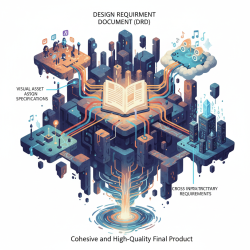 This article details integrating visual, audio, and technical specifications into the Design Requirement Document, emphasizing clear communication and collaboration for project success.
 - 7.
 This article explores essential methods for documenting user interface elements, mapping comprehensive user flows, and capturing the holistic player experience to ensure consistency and efficiency in design processes.
 - 8.
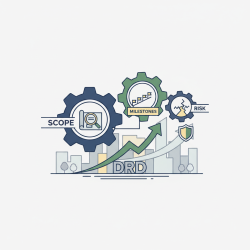 Effectively defining project scope, establishing clear development milestones, and implementing robust risk management strategies are crucial for successful project execution within your DRD.
 - 9.
 Crafting actionable requirements that prevent misinterpretation and streamline development is crucial for project success, ensuring all stakeholders share a common understanding from the outset.
 - 10.
 Explore best practices for maintaining your Data Requirements Document, ensuring it remains a current, adaptable, and valuable living document throughout the project lifecycle.
 - 11.
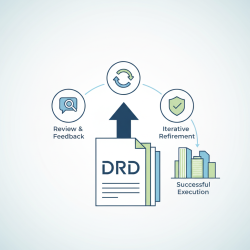 Learn to effectively solicit feedback, iterate on your Design Requirements Document, and gain crucial stakeholder approvals to ensure project success.