
Understanding and Avoiding Player Churn
What you'll learn
 What is Player ChurnWhy is High Player Churn BadCommon Causes of Player ChurnWays to Avoid High Player Churn
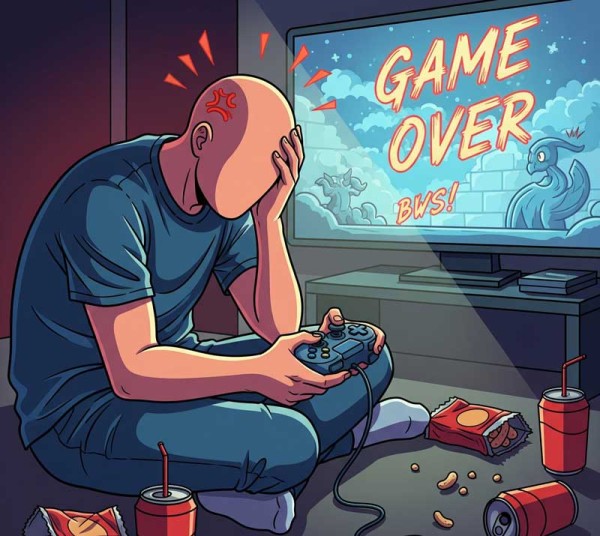
Player churn refers to the rate at which players stop playing a video game. It's a critical metric for developers because it measures how many players you're losing over a given period, such as a day, week, or month. Think of it as the opposite of player retention—a low churn rate means players are sticking around, while a high churn rate indicates a serious problem.
While some level of churn is inevitable for any game, consistently high rates are a major red flag. They signal that something is fundamentally wrong with the player experience, whether it's the gameplay, the technical performance, or even the underlying game design. For game developers, understanding, measuring, and actively working to reduce churn is essential for a game's long-term health and success, especially for games that rely on a large, active player base like mobile or free-to-play titles.
Common Scenarios Leading to High Player Churn
High player churn doesn't just happen; it's the result of specific negative experiences that cause players to lose interest or become frustrated. One of the most common scenarios is a poor First-Time User Experience (FTUE). If a new player is dropped into a confusing world with no clear guidance, they're likely to feel overwhelmed and quit before they even understand the game's potential.
A second major cause is unbalanced gameplay. This can manifest in several ways: a difficulty curve that is either too steep or too flat, a "pay-to-win" model where free players feel unfairly disadvantaged, or mechanics that are simply not fun or rewarding. If the game feels either impossible to progress in or mind-numbingly easy, players will quickly lose their motivation.
A third scenario is a lack of compelling content or progression. Players need a reason to keep coming back. If the game lacks new challenges, rewards, or an interesting story to move forward, players will eventually hit a point where they feel they've done everything and move on to a new game.
Indirect Elements That Contribute to Churn
Beyond the obvious gameplay issues, several indirect elements can also significantly drive up player churn. One of the most damaging is technical issues. Frequent crashes, long loading times, server lag, and game-breaking bugs can quickly sour a player's experience. Even if the core gameplay is excellent, a game that feels unstable or unpolished will make players lose trust in the product and its developers. They might assume the game is not ready or that the developers don't care about their experience.
Another contributing factor is a poor art theme or aesthetic. While this may seem superficial, a cohesive and appealing art style is crucial for immersion. If the game's visuals are uninspired, clashing, or simply unappealing, it can prevent players from forming a connection with the game world.
Lastly, bad character development can be a subtle but powerful driver of churn, especially in narrative-driven games. If characters are unlikable, their motivations are unclear, or their dialogue is poorly written, players may disengage from the story and, by extension, the game itself. The lack of emotional investment can make it easy for them to walk away.
Ways to Avoid High Player Churn
Fortunately, game designers have several strategies they can employ to combat high player churn and keep their audience engaged.
-
Focus on the FTUE: As mentioned before, this is the first and most crucial step. A well-designed onboarding process that teaches players the core mechanics in a fun, low-pressure environment is the best way to get them hooked from day one.
-
Balance Difficulty: Implement a flexible difficulty curve that challenges players without making them feel punished. This might include adjustable difficulty settings, helpful hints for struggling players, or a system that dynamically adjusts based on a player's skill level.
-
Create a Compelling Progression System: Players love to see themselves getting stronger or achieving new goals. A strong progression system—whether it's through leveling up, unlocking new skills, or discovering new areas—gives players a sense of forward momentum and keeps them invested in the long run.
-
Listen to Your Community: Use player feedback, surveys, and analytics to understand what players like and what they find frustrating. Addressing bugs, balancing issues, and even incorporating player-suggested features shows that you value their time and input, which builds a loyal community.
-
Regularly Update the Game: Releasing new content, events, or features on a consistent schedule gives players new things to do and look forward to. This is especially important for live-service games, where new content is the primary driver of engagement.
Conclusion
Player churn is a multifaceted problem that can derail even the most promising games. It's more than just a number; it's a reflection of how players feel about their experience. By understanding the common and indirect causes of churn—from frustrating tutorials and unbalanced gameplay to technical bugs and uninspired art—developers can take proactive steps to prevent it.
A game's success is not just about getting players in the door but also about giving them a compelling reason to stay. By prioritizing a smooth onboarding experience, balancing gameplay, and consistently providing new and engaging content while listening to their community, game designers can build a loyal player base that will keep coming back for more.
Comprehension questions
 What is the main difference between player churn and player retention?What is one of the most common reasons for high player churn in a game's early stages?Besides gameplay issues, what are two indirect elements that can cause players to quit a game?According to the article, what is one way game designers can use their community to combat player churn?
Community Poll
Related Content
What is the First-Time User Experience (FTUE)?
The First-Time User Experience (FTUE), often called a tutorial or onboarding, is a critical component in video game design...

