The Core Purpose and Audience of Your Design Reference Document
- -->> 2. The Core Purpose and Audience of Your Design Reference Document
What you'll learn
 Defining DRD PurposeIdentifying Audience SegmentsContent Tailoring StrategiesIterative Document Refinement
The true value of a Design Reference Document (DRD) is often unlocked not just by its content, but by the clarity of its core purpose and a precise understanding of its intended audience. Without these foundational elements, even the most meticulously compiled document can fall short, failing to communicate effectively or achieve its strategic objectives. Defining these parameters upfront is paramount for creating a DRD that genuinely resonates, informs, and guides, ensuring maximum impact and efficiency throughout its lifecycle.
Understanding Your DRD's Core Purpose
Before a single word is written, establishing the definitive purpose of your DRD is non-negotiable. This document is not merely a collection of information; it's a tool crafted for a specific job. Its purpose dictates the scope, the level of detail, and the overall narrative. Is it intended as a high-level strategic overview for executive leadership, a detailed technical blueprint for development teams, or a compliance record for regulatory bodies? Each of these distinct aims requires a fundamentally different approach.
Failing to clarify the purpose can lead to a bloated, unfocused document that attempts to serve too many masters, ultimately serving none well. A well-defined purpose acts as a guiding star, ensuring every section and every detail contributes to a unified objective. It streamlines the writing process and makes the document significantly more effective.
Consider these questions when defining your DRD's purpose:
- What primary problem does this DRD aim to solve or address?
- What key decisions will be made based on the information presented here?
- What is the desired outcome or action you want readers to take after engaging with this document?
- Is its role primarily informative, prescriptive, archival, or a combination?
Identifying Your Key Audience
Once the purpose is clear, the next crucial step is to identify who will be reading your DRD. The audience is not a monolithic entity; it often comprises various stakeholders with diverse backgrounds, expertise levels, and interests. A software engineer will approach the document with different expectations than a project manager, a marketing specialist, or a legal advisor. Ignoring these differences can lead to misunderstandings, frustration, and a document that fails to bridge communication gaps.
Understanding your audience allows you to tailor the language, structure, and depth of information to their specific needs. It's about speaking their language, addressing their concerns, and providing information in a way that is most accessible and valuable to them. A document that tries to speak to everyone in the same way risks speaking effectively to no one.
Consider the diverse needs of potential readers:
- Technical Teams: Require detailed specifications, architectural diagrams, integration points, and implementation guidelines.
- Project Managers: Need timelines, resource allocations, risk assessments, and progress metrics.
- Executive Stakeholders: Seek high-level summaries, strategic implications, business value, and return on investment.
- Non-Technical Stakeholders (e.g., Marketing, Sales): Benefit from simplified explanations, product features, user benefits, and market positioning.
- Compliance/Legal Teams: Look for adherence to standards, regulatory requirements, and contractual obligations.
Tailoring Content for Maximum Impact
With a clear purpose and defined audience, you can strategically tailor the DRD's content for maximum impact. This involves making deliberate choices about terminology, level of detail, and presentation style.
For a highly technical audience, precise jargon and detailed schematics are appropriate and even expected. For a non-technical executive, however, such detail would be overwhelming and counterproductive. Instead, they require clear, concise summaries that highlight key takeaways and strategic implications. Employing analogies or metaphors can simplify complex technical concepts for broader understanding.
The structure of the document also plays a vital role. Using clear headings, subheadings, and a comprehensive table of contents ensures navigability. Visual elements like flowcharts, diagrams, and mock-ups can convey complex information more effectively than pages of text, especially for design-oriented or process-driven sections. Consistency in formatting and terminology throughout the document further enhances readability and professionalism.
Strategies for Audience Engagement and Usability
Beyond just tailoring content, proactive strategies can significantly improve audience engagement and the overall usability of your DRD. An executive summary placed at the beginning is invaluable for busy high-level readers, offering a quick overview of the document's essence, key decisions, and strategic importance.
A well-curated glossary of terms can demystify industry-specific jargon or project-specific acronyms, ensuring all readers, regardless of their background, can follow the narrative. Furthermore, including a "How to Read This Document" section can guide diverse audiences to the most relevant sections for their needs, thereby saving them time and effort. Incorporating version control information and a change log provides transparency and helps track the evolution of the document, crucial for living documents that undergo frequent updates. Encouraging feedback mechanisms also helps refine the DRD over time.
The Iterative Nature of DRD Refinement
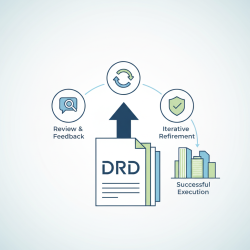
A DRD is rarely a static artifact; it is often a living document that evolves alongside the project it supports. As projects progress, requirements shift, technical insights emerge, and strategic priorities may adjust. Consequently, the DRD must be reviewed and updated regularly to reflect these changes.
This iterative refinement process ensures that the document remains accurate, relevant, and continuously aligned with its defined purpose and audience needs. Gathering feedback from various stakeholders—technical teams, project managers, and even end-users if applicable—is crucial during these review cycles. Their insights can uncover areas of ambiguity, identify missing information, or suggest better ways to present content, leading to a more robust and effective DRD over time. Embracing this adaptability prevents the DRD from becoming an outdated relic and ensures it remains a valuable resource throughout the project lifecycle.
Summary
The effectiveness of any Design Reference Document hinges critically on a clear understanding of its core purpose and a precise identification of its intended audience. By meticulously defining what the DRD aims to achieve and for whom it is being written, authors can tailor content, language, and structure to maximize its impact. This strategic approach ensures the document serves its function efficiently, facilitates informed decision-making, and contributes significantly to overall project success by bridging communication gaps between diverse stakeholders. Regular review and refinement further enhance its enduring value.
Comprehension questions
 Why is defining the core purpose of a DRD considered non-negotiable before writing begins?What are three distinct audience segments that might read a DRD, and how do their needs differ?What role do visual aids and consistent formatting play in tailoring DRD content for maximum impact?
Community Poll
Next Lesson

Course Contents : The Design Requirements Document
- >> 2.
 The Core Purpose and Audience of Your Design Reference Document