Maintaining and Evolving Your Data Requirements Document Through Development
- -->> 10. Maintaining and Evolving Your Data Requirements Document Through Development
What you'll learn
 DRD as a Living DocumentIntegrating DRD MaintenanceTools for DRD EvolutionBenefits of DRD Upkeep
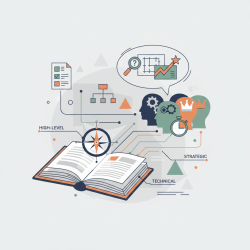
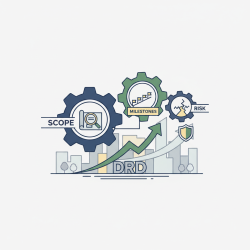
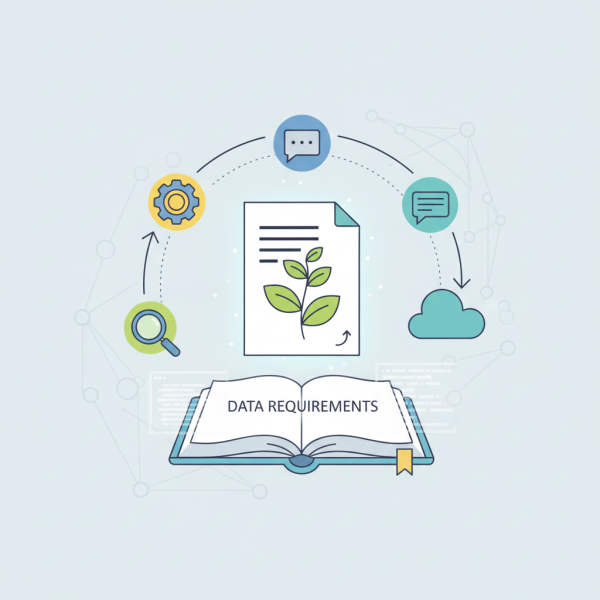
A Data Requirements Document (DRD) serves as a foundational blueprint, outlining critical data elements, their attributes, relationships, and transformations. While its initial creation is undoubtedly a significant undertaking, its true value is unlocked and sustained only through diligent maintenance and continuous evolution throughout the entire project lifecycle. Far from being a static artifact completed at the outset, a DRD must be treated as a living document, capable of adapting to new insights, changing business landscapes, and evolving technical considerations. This article explores best practices for ensuring your DRD remains current, adaptable, and an invaluable reference from inception to deployment and beyond.
The DRD as a Living Document
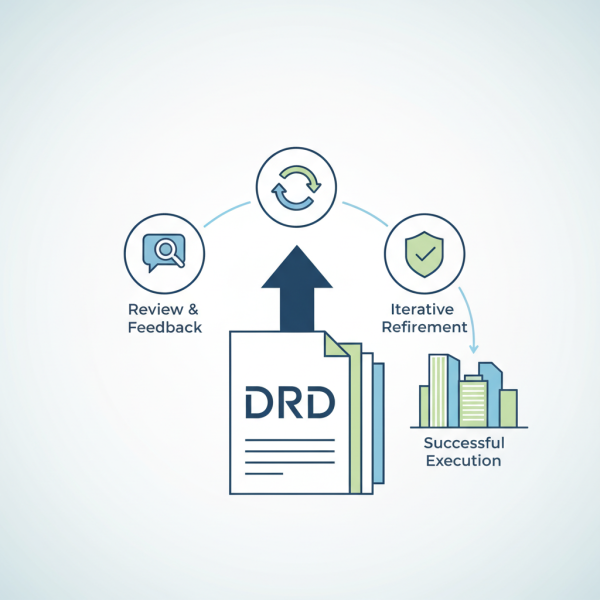
The misconception that a DRD is a one-time deliverable, completed and then filed away, can severely undermine its utility. Projects are inherently dynamic, marked by iterative development, unforeseen challenges, and emergent requirements. Business needs shift, user feedback provides new perspectives, and technical constraints or opportunities may surface that were not apparent during initial planning. If the DRD doesn't reflect these ongoing changes, it quickly becomes obsolete, misleading, and a source of confusion rather than clarity. A living DRD ensures all stakeholders operate from a shared, accurate understanding of the data landscape at any given moment.
Laying the Foundation: Initial DRD Development Best Practices
Establishing a strong foundation for your DRD is crucial for its long-term maintainability. Clarity, precision, and stakeholder alignment are paramount from the beginning. Ensure the document is written in clear, unambiguous language, avoiding jargon where possible or defining it thoroughly. Early and continuous engagement with business users, data owners, and technical teams is essential to capture comprehensive and accurate requirements. Implement a robust version control system from day one, even for the earliest drafts, to track changes and revert if necessary. Structure the document logically with appropriate granularity, balancing detail with readability, and ensure it integrates seamlessly with other project documentation.
Integrating DRD Maintenance into the Development Lifecycle
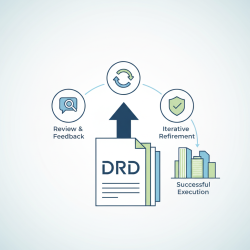
Effective DRD evolution isn't an afterthought; it's an integral part of the development process. Embed regular DRD reviews into your project's cadence, whether it's weekly scrum meetings, sprint reviews, or phase-gate assessments. Assign clear ownership for different sections of the DRD to specific team members who are responsible for their upkeep. Crucially, establish clear traceability between DRD elements and other project artifacts, such as user stories, functional specifications, architectural designs, and test cases. When a user story is updated, the corresponding data requirement should be reviewed and potentially revised. This continuous synchronization ensures consistency across all project documentation and prevents divergence between requirements and implementation.
Tools and Strategies for Effective DRD Evolution
Leveraging the right tools and strategies can significantly streamline DRD maintenance. Collaborative documentation platforms like Confluence, SharePoint, or specialized requirements management tools provide centralized access, versioning, and commenting capabilities. These tools foster real-time collaboration and transparency. Establish a formal change request process for any proposed modifications to the DRD, including an impact analysis to understand the ripple effects of a change across the system. Regular, dedicated DRD review meetings with key stakeholders ensure everyone is aligned and any discrepancies are addressed promptly. Automated checks, where feasible, can also help validate certain aspects of the DRD against database schemas or data dictionaries.
- Utilize collaborative documentation platforms for centralized access and version control.
- Implement a formal change request process with impact analysis.
- Conduct regular, dedicated DRD review meetings involving all key stakeholders.
- Establish traceability matrices linking DRD elements to other project artifacts.
Adapting the DRD to Project Changes
Projects rarely unfold exactly as initially planned. The DRD must be flexible enough to adapt to these inevitable shifts. When scope creep occurs, the DRD needs to be updated to reflect the new boundaries, ensuring that only approved changes are incorporated. Technical constraints or newly identified opportunities (e.g., leveraging a new technology for better performance) might necessitate adjustments to data structures or processing logic, which must be documented. Incorporate lessons learned from previous iterations or pilot phases directly into the DRD to refine requirements and improve future data handling. Don't be afraid to refactor or reorganize sections of the DRD if the project's understanding of its data landscape evolves significantly, ensuring the document remains logical and easy to navigate.
The Benefits of a Well-Maintained DRD
Investing in continuous DRD maintenance yields substantial returns. A current and accurate DRD dramatically reduces rework by minimizing misinterpretations and ensuring developers build the right solution the first time. It vastly improves communication among diverse project teams—business analysts, developers, QA engineers, and operations—by providing a single source of truth for data. This clarity facilitates better decision-making, as everyone is operating with the most up-to-date information. Onboarding new team members becomes smoother and faster, as they have a comprehensive and reliable reference. Furthermore, a well-maintained DRD serves as an invaluable audit trail, demonstrating compliance with regulations and internal standards, and justifying design choices throughout the project's evolution.
- Reduces rework and development errors.
- Enhances communication and shared understanding across teams.
- Supports better, more informed decision-making.
- Streamlines onboarding for new project members.
- Provides an essential audit trail for compliance and design justification.
Summary
Maintaining and evolving a Data Requirements Document is a critical, ongoing endeavor that transcends its initial creation. By embracing the DRD as a living document, integrating its upkeep into the development lifecycle, leveraging collaborative tools, and proactively adapting to project changes, organizations can ensure it remains an accurate, invaluable resource. The continuous effort in keeping the DRD current and adaptable not only fosters better communication and decision-making but also significantly contributes to project success by reducing rework, streamlining processes, and providing a clear, auditable record of data-related decisions throughout the project's entire lifespan.
Comprehension questions
 Why is it crucial to treat a Data Requirements Document (DRD) as a living document rather than a one-time deliverable?What are some key best practices for laying a strong foundation during the initial development of a DRD to ensure its long-term maintainability?How can DRD maintenance be effectively integrated into the agile development lifecycle, and what role does traceability play?Name two benefits of maintaining a current and accurate Data Requirements Document throughout a project's evolution.
Review Quiz
Next Lesson
Course Contents : The Design Requirements Document
- >> 10.
 Maintaining and Evolving Your Data Requirements Document Through Development