Mastering DRD Review, Feedback, and Approval Processes
- -->> 11. Mastering DRD Review, Feedback, and Approval Processes
What you'll learn
 Effective Feedback SolicitationIterative DRD DevelopmentStakeholder Alignment StrategiesStreamlined Approval Workflows
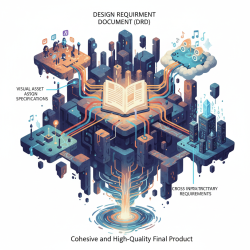
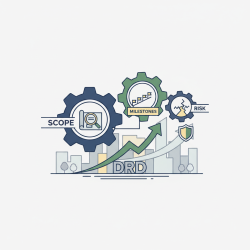
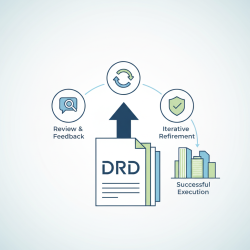
A well-defined Design Requirements Document (DRD) serves as the bedrock for successful execution. However, simply creating a DRD is not enough. The true value lies in its thorough review, the effective incorporation of feedback, and securing crucial approvals from all relevant stakeholders. A robust review and approval process ensures clarity, aligns expectations, mitigates risks, and ultimately streamlines development, preventing costly rework and misunderstandings down the line. Mastering this process is paramount for any project aiming for precision and efficiency.
Understanding the DRD Lifecycle
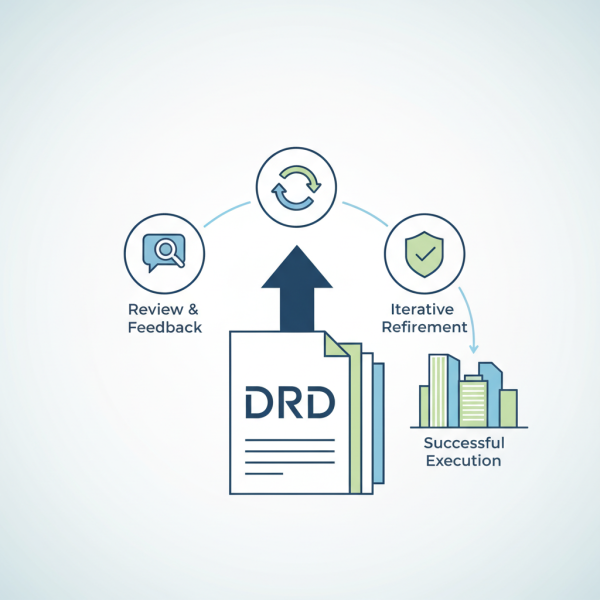
A DRD, or Design Requirements Document, meticulously outlines the functional and non-functional requirements of a system, product, or feature. It bridges the gap between high-level business needs and detailed technical specifications. The DRD lifecycle typically involves initial drafting, internal team reviews, broader stakeholder feedback solicitation, iterative refinements, and finally, formal approval. Each stage is critical, contributing to the document's accuracy and comprehensive nature, ensuring that what is built truly meets the intended purpose and stakeholder expectations.
Strategies for Effective Feedback Solicitation
Soliciting feedback is an art. It requires strategic planning to ensure you receive constructive, actionable input rather than vague comments. Start by clearly defining the purpose of the review and what kind of feedback you are seeking. Tailor your requests to specific stakeholder groups, asking business teams about alignment with goals and technical teams about feasibility.
Proactive engagement is key. Don't wait for stakeholders to come to you; schedule dedicated review sessions or workshops. Provide sufficient context and time for reviewers to absorb the content. Clearly communicate deadlines and the method for submitting feedback. Using a centralized feedback platform can significantly streamline this process.
Consider these critical areas when asking for feedback:
- Business Requirements Alignment: Does the DRD accurately reflect the core business needs and objectives?
- Technical Feasibility and Constraints: Can the proposed solution be implemented within existing technical limitations and resources?
- User Experience Implications: How will these requirements translate into the user's interaction with the product or system?
- Compliance and Regulatory Adherence: Does the DRD account for all necessary legal, security, and industry standards?
Iterative Development: Refining Your DRD
Feedback, once collected, is not merely acknowledged; it must be acted upon. The DRD is a living document that benefits immensely from an iterative refinement process. Start by consolidating all feedback, grouping similar comments, and identifying any contradictory points. Prioritize changes based on their impact, feasibility, and alignment with project goals. Resolving conflicting feedback often requires facilitating further discussions among the involved stakeholders to reach a consensus.
It's crucial to communicate clearly how feedback has been addressed. When distributing updated versions of the DRD, highlight the changes made based on the previous review cycle. Maintaining meticulous version control is paramount, allowing everyone to track the evolution of the document and understand the rationale behind each revision. This transparency builds trust and keeps all parties informed and engaged throughout the refinement process.
Effective iteration involves:
- Categorizing feedback by severity, type (e.g., critical, minor, suggestion), and impact.
- Scheduling dedicated revision sprints to efficiently integrate changes.
- Maintaining a clear audit trail and change log for all modifications.
- Distributing updated drafts promptly, often with highlighted revisions for easy review.
Navigating the Approval Gauntlet
Gaining final approval is the official recognition that the DRD is complete, accurate, and ready for implementation. Before initiating the approval phase, clearly define the criteria for approval. This might include ensuring all critical feedback has been addressed, all requirements are unambiguous, and the document is complete. Identify all key approvers by name and role, understanding their specific areas of authority and concern.
The approval workflow can be sequential, where one stakeholder approves before the next, or parallel, where multiple stakeholders review concurrently. Choose the method that best suits your organizational structure and project complexity. Establish clear escalation paths for situations where approvals are delayed or stalled due to disagreements. Formal sign-off, whether through digital signatures on a document management system or documented email approvals, provides an indispensable record of consensus and accountability.
Leveraging Tools for Efficiency
In today's digital landscape, a plethora of tools can significantly enhance the DRD review and approval process. Requirements management platforms like Jira, Confluence, or specialized tools such as Jama Connect or IBM DOORS Next, offer centralized repositories for requirements, facilitate structured feedback collection, and manage versioning. Collaboration platforms such as Microsoft Teams or Slack can be used for quick discussions and minor clarifications, reducing email clutter.
Document management systems like SharePoint or Google Drive, when configured correctly, can provide secure access, version history, and even basic workflow approvals. The judicious use of these technologies not only streamlines operations but also improves traceability, transparency, and the overall efficiency of managing complex documentation.
Conclusion
Mastering the DRD review, feedback, and approval processes is indispensable for successful project delivery. By proactively soliciting targeted feedback, embracing an iterative approach to refinement, and establishing clear, structured approval workflows, organizations can ensure their Design Requirements Documents are robust, accurate, and fully aligned with stakeholder expectations. This meticulous attention to detail at the documentation phase ultimately reduces risks, prevents costly misunderstandings, and lays a solid foundation for efficient development and high-quality project outcomes.
Comprehension questions
 What are the key benefits of a robust DRD review and approval process?Which critical areas should be considered when soliciting feedback for a DRD?Why is version control important during the iterative refinement of a DRD?What are some types of tools that can enhance the efficiency of DRD review and approval?
Review Quiz
Next Lesson

Course Contents : The Design Requirements Document
- >> 11.
 Mastering DRD Review, Feedback, and Approval Processes