Integrating Art, Audio, and Technical Specifications in the DRD
- -->> 6. Integrating Art, Audio, and Technical Specifications in the DRD
What you'll learn
 DRD IntegrationCross-Disciplinary CollaborationSpecification ClarityIterative Refinement
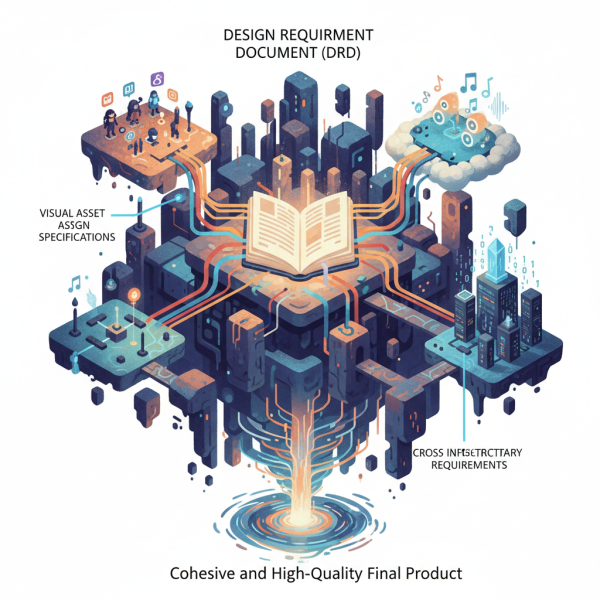
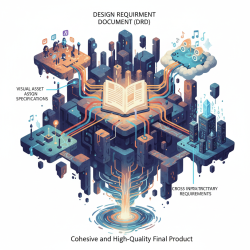
Seamless integration of diverse elements like media, sounds and other visual assets is paramount. A critical component in achieving this harmony is the Design Requirement Document (DRD). This document serves as a central blueprint, detailing not just functional aspects but also the aesthetic and technical underpinnings. Effectively incorporating specifications for visual assets, sound design, and the overarching technical infrastructure within the DRD is not merely good practice; it is essential for ensuring all stakeholders share a unified vision, mitigating risks, and streamlining the development process. A well-structured DRD acts as the common language that bridges the gap between creative ambition and technical feasibility, setting the stage for a cohesive and high-quality final product.
Integrating Visual Asset Specifications
Visual assets form the palpable experience of many projects, from character models in a game to UI elements in an application. Defining these specifications clearly in the DRD ensures consistency and quality across all visual components. It's not enough to simply state "good graphics"; specific parameters must be outlined to guide artists and engineers.
This section of the DRD should detail stylistic guidelines, resolution targets, and performance considerations. For 3D assets, polygon counts, texture resolutions, and material properties are crucial. For 2D assets, pixel dimensions, file formats, and color palettes need to be specified. The DRD also provides an opportunity to define asset pipelines and naming conventions, promoting efficiency and organization.
- Art Style Guides: Define the overall aesthetic, mood, and visual language.
- Asset Types and Specifications: Detail resolution, poly count limits, texture maps (normal, specular, ambient occlusion), and animation requirements for various asset categories (characters, environments, UI).
- File Formats: Specify preferred formats like PNG, JPG, TGA, FBX, OBJ, etc.
- Optimization Standards: Guidelines for LODs (Level of Detail), texture atlases, and material complexity to meet performance targets.
- Workflow and Naming Conventions: Establish clear processes for asset creation, review, and integration, alongside consistent naming structures.
Incorporating Sound Design Requirements
Audio is a powerful, often underestimated, element that deeply impacts user immersion and feedback. The DRD must include comprehensive specifications for sound design, encompassing everything from background music to subtle user interface cues. Defining these requirements early ensures that audio assets are created to the right quality and integrate seamlessly with the technical infrastructure.
Key details include the types of audio needed (e.g., ambient, cinematic, interactive sound effects, voiceovers), their quality (sample rates, bit depth), and how they should behave within the system (e.g., spatialization, dynamic mixing, playback triggers). Compatibility with audio engines and platform-specific audio capabilities also warrant careful documentation.
- Audio Categories: Define types such as background music, sound effects (SFX), voice-overs, and ambient sounds.
- Quality Standards: Specify sample rates (e.g., 44.1 kHz, 48 kHz), bit depth, and compression formats (e.g., WAV, OGG, MP3) to balance quality and file size.
- Behavioral Specifications: Describe how audio should respond to in-game events, character actions, or user interactions, including looping, attenuation, and priority.
- Spatial Audio: Outline requirements for 3D sound, binaural audio, or specific audio occlusion/reverb systems.
- Integration Guidelines: Detail how audio assets will be managed and implemented via audio middleware or directly within the game/application engine.
Defining Technical Infrastructure Requirements
The technical infrastructure forms the backbone upon which all art and audio assets, and indeed the entire project, operate. This section of the DRD outlines the hardware, software, networking, and performance considerations that dictate how the project will be built and deployed. These specifications are critical for engineers and directly impact the feasibility and quality of art and audio implementation.
Requirements might include target platforms (PC, console, mobile, web), minimum and recommended hardware specifications, chosen programming languages, development frameworks, and specific engine versions. Performance metrics like frame rate targets, memory budgets, and loading times are also crucial here, as they often drive decisions about asset optimization and audio streaming.
Furthermore, technical requirements should address scalability, security, and maintenance considerations. For online components, network latency, bandwidth usage, and server architecture must be clearly defined. This proactive approach ensures that the technical foundation can adequately support the creative vision.
Establishing Cross-Disciplinary Collaboration
The integration of art, audio, and technical requirements within the DRD is fundamentally an exercise in collaboration. Early and continuous communication between designers, artists, sound engineers, and programmers is vital. The DRD itself should be a living document, reviewed and updated regularly through interdepartmental meetings and feedback loops.
Establishing clear communication channels and dedicated points of contact for different disciplines helps resolve issues quickly and ensures alignment. Shared documentation platforms and version control systems are also instrumental in maintaining a unified understanding of the evolving requirements. This collaborative environment fosters innovation while keeping the project aligned with its core objectives.
Best Practices for DRD Integration
To maximize the effectiveness of integrating art, audio, and technical specifications, several best practices should be employed:
Clarity and Specificity: Avoid vague language. Requirements should be quantifiable, testable, and unambiguous. For example, instead of "high-quality textures," specify "2048x2048 resolution textures using DXT1 compression."
Traceability: Ensure that each requirement can be traced back to a higher-level design goal or user story, and forward to specific implementation tasks or test cases. This helps in validating that all requirements are met.
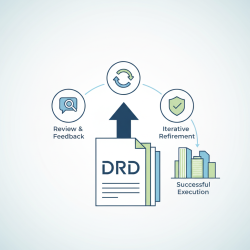
Iterative Review: The DRD should not be a static document. It requires regular reviews and updates as the project evolves, technology changes, or creative directions are refined. Involve representatives from all relevant disciplines in these reviews.
Version Control: Treat the DRD as a critical asset and manage it under a robust version control system. This tracks changes, allows rollbacks, and ensures everyone is working from the most current document version.
Visual and Audio References: Supplement written specifications with visual mockups, concept art, audio samples, or mood boards wherever possible. These non-textual references can convey subjective qualities more effectively than words alone.
Conclusion
The comprehensive integration of art, audio, and technical requirements within the Design Requirement Document is a cornerstone of successful project development. By meticulously detailing visual asset specifications, sound design parameters, and the underlying technical infrastructure, teams can achieve unparalleled clarity and alignment. This unified approach fosters effective cross-disciplinary collaboration, minimizes costly rework, and ensures that the creative vision is not only technically feasible but also realized to its fullest potential. A well-crafted DRD is more than just a document; it is a strategic tool that empowers development teams to build cohesive, high-quality experiences efficiently and effectively.
Comprehension questions
 What is the primary purpose of integrating art, audio, and technical specifications within the Design Requirement Document?List three specific details that should be included when integrating visual asset specifications into a DRD.How does the DRD help in establishing cross-disciplinary collaboration for a project?What are some key best practices for effective DRD integration, especially concerning clarity and review?
Community Poll
Next Lesson

Course Contents : The Design Requirements Document
- >> 6.
 Integrating Art, Audio, and Technical Specifications in the DRD