Crafting the Game's Core: Overview and Vision Statements
- -->> 4. Crafting the Game's Core: Overview and Vision Statements
What you'll learn
 Game Development FoundationGame Overview EssentialsVision Statement ImportanceStrategic Alignment in Game Projects
Before a single line of code is written or a single asset is created, understanding the core identity and aspirational direction of your game is crucial. This foundational work primarily revolves around crafting a concise Game Overview and an inspiring Vision Statement. These two documents, though distinct in their focus, work in tandem to capture the game's essence, communicate its core appeal, and, most importantly, align all stakeholders—from designers and engineers to artists and publishers—on a unified creative path. Without these guiding principles, projects can easily lose direction, leading to scope creep, wasted resources, and ultimately, a less cohesive final product.
The Indispensable Role of a Strong Foundation
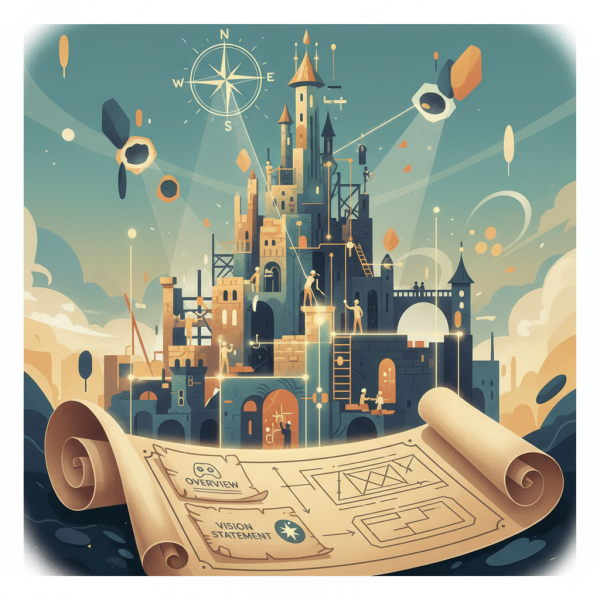
A well-defined Game Overview and Vision Statement serve as the North Star for your entire development journey. They provide clarity in moments of uncertainty and act as a filter for decisions, ensuring every choice contributes to the game's core identity. This foundational work isn't just a formality; it's a strategic necessity that impacts efficiency, team morale, and ultimately, the game's market success.
These documents:
- Foster Alignment: Ensure everyone on the team, regardless of their role, understands and buys into the game's core concept and ultimate goal.
- Streamline Decision-Making: Provide a clear framework against which all design, art, and technical choices can be evaluated, preventing arbitrary decisions.
- Communicate Effectively: Serve as powerful tools for pitching the game to investors, publishers, and potential team members, articulating its value proposition concisely.
- Prevent Scope Creep: By defining what the game *is* and *isn't*, they help to contain the project's scope, making it more manageable.
- Inspire and Motivate: A clear vision can be a powerful motivator, reminding the team of the exciting future they are building.
Crafting the Compelling Game Overview
The Game Overview is a high-level, accessible summary of your game. It answers the fundamental questions: What is this game? Who is it for? Why will people play it? Think of it as the elevator pitch for your game, designed to be quickly digestible and highly engaging. It should be informative without getting bogged down in intricate details.
Key elements to include in your Game Overview:
- Working Title: The current name of your project.
- Genre & Platform: Clearly define the game's genre (e.g., action-RPG, narrative adventure, puzzle) and target platforms.
- Core Gameplay Loop: Describe the fundamental repeatable actions players will engage in.
- Target Audience: Who are you making this game for? What are their preferences?
- Unique Selling Proposition (USP): What makes your game stand out from others in its genre? What's its unique hook?
- Brief Narrative/World Hook: A concise introduction to the game's story or setting, if applicable.
- Core Pillars/Features: A handful of the most important gameplay elements or design principles.
When writing, aim for clarity, conciseness, and excitement. Avoid jargon where possible, and ensure it can be understood by someone with minimal gaming knowledge.
Developing the Powerful Vision Statement
While the Game Overview details *what* the game is, the Vision Statement articulates *why* it exists and *how* it will make players feel. It's more aspirational, focusing on the emotional impact and the overarching experience. This statement is less about features and more about the ultimate goal and the soul of the game. It should be inspirational and serve as a constant reminder of the project's highest purpose.
Essential components of an effective Vision Statement:
- Core Aspiration: What is the ultimate feeling or experience you want players to have?
- Player Experience: Describe the emotional journey or transformation players will undergo.
- Tone & Mood: What kind of atmosphere or emotional resonance will the game evoke?
- Guiding Philosophy: What core design principles or values underpin the entire project?
- Memorable & Concise: Often a single sentence or a very short paragraph, easily recalled.
A strong vision statement should resonate deeply with the team, inspiring them to overcome challenges and consistently strive for excellence aligned with the game's spirit.
Distinguishing the Overview from the Vision
It's crucial to understand that while both documents are foundational, they serve different purposes. The Game Overview is practical and descriptive, a snapshot of the game's current design and market position. It's about the tangible elements. The Vision Statement, on the other hand, is abstract and inspirational, focusing on the game's emotional impact and long-term ambition. It's about the intangible feeling and purpose. Together, they create a comprehensive picture: the overview provides the map, and the vision provides the destination and the reason for the journey.
Practical Tips for Success
Crafting these documents is an iterative process. They are not set in stone from day one but evolve as the game develops and new insights emerge. However, their core identity should remain stable.
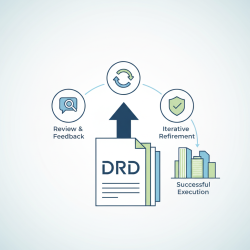
- Iterate and Refine: Don't expect perfection on the first try. Share drafts, gather feedback, and be willing to revise.
- Involve Key Stakeholders: Ensure lead designers, producers, and even key artists or engineers contribute to and approve these documents.
- Keep it Visible: Display the Vision Statement prominently in the workspace or internal wikis to serve as a constant reminder.
- Test its Clarity: Ask someone unfamiliar with the project to read them and explain their understanding. If they grasp the core concepts, you've succeeded.
- Be Specific, But Not Prescriptive: Provide enough detail to be informative without stifling creative freedom for individual contributors.
Conclusion
The Game Overview and Vision Statement are more than mere documents; they are the strategic blueprints that define your game's identity, guide its development, and rally your team around a shared purpose. By investing the time and effort into meticulously crafting these compelling summaries, development teams can ensure clarity, foster alignment, and significantly increase their chances of delivering a cohesive, impactful, and ultimately successful game that truly resonates with its intended audience. These foundational pieces are truly the bedrock upon which great games are built.
Comprehension questions
 What is the primary purpose of a Game Overview, and what key elements should it include?How does a Vision Statement differ from a Game Overview, and what is its main function in game development?List three ways a well-defined Game Overview and Vision Statement contribute to project success and team alignment.What practical tips are suggested for successfully crafting and utilizing these foundational game development documents?
Review Quiz
Next Lesson

Course Contents : The Design Requirements Document
- >> 4.
 Crafting the Game's Core: Overview and Vision Statements