
Understanding and Addressing Declining Daily Active Users
What you'll learn
 DAU Decline DiagnosisPlayer Retention StrategiesData-Driven Game DevelopmentCommunity & Content Management
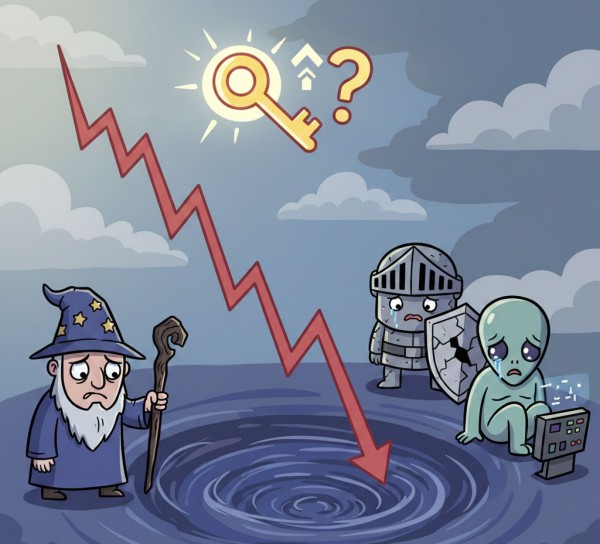
For video game designers and developers, few metrics are as critical and immediately indicative of a game's health as Daily Active Users (DAU). A robust DAU signifies a vibrant, engaging product that resonates with its audience. Conversely, a declining DAU can send shivers down the spine of any development team, signaling that something fundamental is amiss. Understanding why DAU might be falling, and more importantly, what to do about it, is paramount for the longevity and success of any game.
Understanding DAU Decline: The Warning Signal
Daily Active Users, or DAU, represents the total number of unique players who interact with your game on a given day. It's a snapshot of your game's immediate reach and engagement. While minor fluctuations are normal, a consistent downward trend in DAU is a stark warning that your game is losing its appeal or failing to retain its audience. This isn't just about losing individual players; it's about the erosion of your game's community, its virality, and ultimately, its revenue potential.
It's crucial to distinguish between natural player churn and a concerning decline. All games experience churn as players move on, but a steep or accelerated drop suggests underlying issues that are driving players away faster than new ones are joining or being retained. Ignoring this metric is akin to ignoring a dashboard warning light; it will inevitably lead to bigger problems down the line.
Common Causes of DAU Decline
The reasons behind a DAU slump are varied and often interconnected. Pinpointing the exact cause requires careful investigation, but here are some of the most frequent culprits:
- Poor Onboarding Experience: If new players find the game confusing, overwhelming, or simply not fun in their initial hours, they are likely to drop off quickly and never return. A high churn rate among new cohorts directly impacts DAU.
- Content Staleness or Lack of Updates: Even the most innovative game will eventually run out of fresh content for its dedicated players. Without new challenges, stories, modes, or features, players will reach a point of exhaustion and seek novelty elsewhere.
- Technical Issues and Bugs: Frequent crashes, server instability, game-breaking bugs, or performance issues create immense frustration. Players expect a smooth experience, and persistent technical problems are a surefire way to drive them away.
- Intense Competition: The gaming market is saturated. New, exciting titles are constantly emerging. If your game isn't actively competing for attention with compelling updates, events, or a superior experience, players may naturally migrate to newer or more actively developed alternatives.
- Monetization Friction: Overly aggressive, unfair, or "pay-to-win" monetization schemes can alienate a significant portion of your player base. Players are generally willing to spend money on games they love, but only if they feel it's a fair value exchange and doesn't hinder their enjoyment.
- Community Toxicity or Neglect: For multiplayer games, a positive community is vital. If your game fosters a toxic environment due to poor moderation or a lack of social features, players will disengage. Conversely, neglecting your community by not communicating or listening to feedback can also lead to disinterest.
- Feature Creep or Overcomplexity: While new features can be good, adding too many without proper integration or testing can make a game bloated and difficult to learn, especially for returning players. Sometimes, simplifying the experience is necessary.
- Lack of Marketing or Visibility: Even if your game is fantastic, a decline in DAU might simply mean you're not effectively reaching new audiences or re-engaging lapsed players. Marketing efforts need to be ongoing.
Diagnosing the Problem: Data-Driven Insights
Identifying the specific cause of DAU decline is rarely a matter of guesswork. It requires a rigorous, data-driven approach:
First, don't just look at the overall DAU number. Segment your data. Are new players dropping off? Are long-term veterans disengaging? Is the decline localized to a specific region, platform, or player cohort? Understanding who is leaving and when they are leaving provides invaluable context.
Next, dive deeper into engagement metrics. Look at session length, frequency of play, retention rates (day 1, day 7, day 30), and feature usage. If players are logging in but playing for shorter periods, it might indicate content exhaustion. If retention rates are plummeting, look at the onboarding funnel. If a specific feature's usage drops off, investigate recent changes to that feature or related systems.
Crucially, listen to your players. Quantitative data tells you "what" is happening, but player feedback tells you "why." Monitor your game's forums, social media channels, Discord servers, and customer support tickets. Conduct in-game surveys or user testing sessions. Are players complaining about bugs, lack of content, unfair monetization, or a toxic community? This qualitative data is often the missing piece of the puzzle.
Finally, consider A/B testing. If you suspect a particular change (e.g., a new UI element, a balance adjustment) is contributing to the decline, test variations with small player groups before rolling out changes broadly. This helps validate hypotheses and minimize risk.
Strategies to Revitalize Declining DAU
Once you've diagnosed the issues, it's time to act. Addressing DAU decline often requires a multi-pronged strategy:
- Strengthen Your Content Roadmap: Prioritize regular, high-quality content updates. This could include new levels, characters, events, game modes, or even significant expansions. Ensure there's always something new for players to anticipate and engage with.
- Enhance Player Experience (PX): Focus on improving fundamental aspects. Overhaul the onboarding experience to be more intuitive and rewarding. Prioritize bug fixes and performance optimizations. Refine UI/UX based on player feedback and data.
- Active Community Management: Engage directly with your player base. Communicate upcoming changes, solicit feedback, and moderate your community actively to ensure a positive environment. Organize community events or contests to foster interaction and loyalty.
- Re-evaluate Monetization: If monetization is a pain point, consider adjustments. This might involve rebalancing prices, offering more value, or exploring alternative monetization models that feel less intrusive or predatory. Transparency around monetization is key.
- Strategic Marketing and Re-engagement: Don't just focus on acquiring new players. Develop campaigns to re-engage lapsed players with incentives like comeback bonuses or highlights of new content. Utilize targeted advertising to reach relevant audiences.
- Embrace Iterative Design: Game development is an ongoing process. Continuously monitor your metrics, gather feedback, implement changes, and measure their impact. Be prepared to adapt and evolve your game based on player behavior and market trends.
Summary
Declining Daily Active Users is a serious indicator for any video game, signaling potential issues with engagement and retention. While natural churn occurs, a significant drop demands immediate attention from developers. Common culprits range from poor onboarding and content staleness to technical issues, strong competition, and problematic monetization schemes. Effectively diagnosing the root cause requires a data-driven approach, involving segmented analytics, deep dives into engagement metrics, and careful listening to player feedback. Once identified, revitalization strategies often include bolstering content roadmaps, enhancing the overall player experience, active community management, re-evaluating monetization, and strategic re-engagement efforts. Proactive monitoring and a commitment to iterative design are crucial for maintaining a healthy and thriving player base.
Comprehension questions
 What is the primary difference between natural player churn and a concerning DAU decline?Name three common causes of DAU decline that are related to the game's content or experience.How can developers use data segmentation and engagement metrics to diagnose the specific reasons behind a DAU drop?What are two key strategies a development team can implement to actively re-engage lapsed players or prevent further DAU decline?