
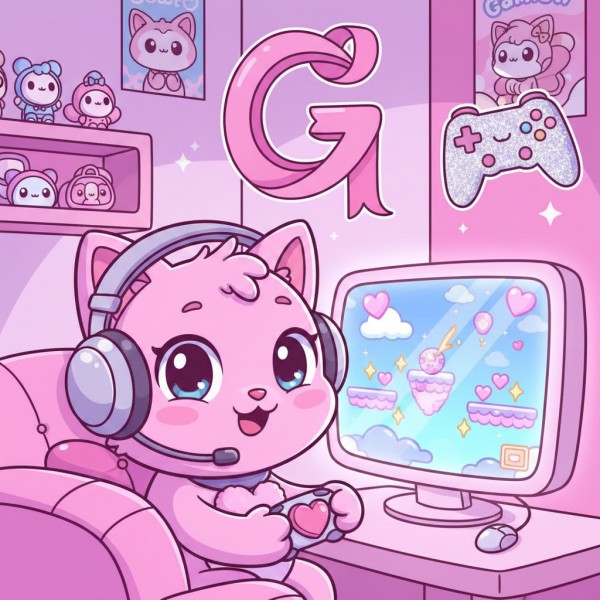
Designing for the Pink and Niche Based Audience
What you'll learn
 Defining Target Audience DemographicsPreferred Game GenresDesign Adaptations for Engagement
The term "pink-based" video game often conjures simplistic imagery, but for discerning game designers and developers, it represents a distinct and valuable market segment. Far from being merely about a color palette, this category encompasses a philosophy of design, gameplay, and thematic choices that deeply resonate with a specific demographic. Understanding what defines these games, who their players are, and how to tailor development practices is crucial for tapping into a significant and often underserved player base. This article delves into the nuances of "pink-based" gaming, offering insights to help you craft more engaging and successful experiences for this unique audience.
What Exactly Are "Pink-Based" Video Games?
Moving beyond the literal application of the color pink, "pink-based" games can be understood as those designed with an emphasis on specific gameplay experiences, aesthetic preferences, and thematic elements. These games typically prioritize creativity, social interaction, storytelling, and a generally light-hearted or positive tone. They often de-emphasize direct combat, intense competition, or high-stakes pressure, instead focusing on intrinsic rewards and player expression.
The core appeal lies in providing a comforting, engaging, and often low-stress environment. Think of experiences where players build, customize, collect, or solve gentle puzzles. Accessibility and positive reinforcement are key components, making the games feel welcoming and rewarding without being overly demanding. The "pink" aesthetic, when present, often translates to pastel colors, soft lines, adorable characters, and inviting user interfaces, but the underlying design principles are far more critical than surface-level color choices.
Identifying the Target Audience
The audience for "pink-based" games is diverse, though often stereotyped. While a significant portion of this demographic identifies as female, it's essential to avoid generalizations. Players of all genders can be drawn to these experiences. What unites them is a preference for certain types of gameplay and an appreciation for specific design sensibilities.
This audience often includes players who:
- Seek relaxation and an escape from real-world stress.
- Enjoy creative expression and personalization within games.
- Appreciate strong narratives, character development, and social connections.
- Prefer cooperative or single-player experiences over intense competitive multiplayer.
- Are drawn to themes of nurturing, community building, and positive growth.
- May be casual gamers with limited time, valuing approachable mechanics and clear progression.
- Can range from younger children to adult women, with specific age groups having slightly varied preferences within the "pink-based" spectrum.
Understanding these motivations is paramount. They are not necessarily looking for the next esports phenomenon or a hyper-realistic combat simulator. Their desires lean towards comfort, charm, and a sense of accomplishment without significant frustration.
Preferred Genres and Gameplay Mechanics
The "pink-based" audience tends to gravitate towards genres and mechanics that align with their core preferences. While not exhaustive, certain categories consistently perform well with this demographic:
- Life Simulation Games: Titles like Animal Crossing, Stardew Valley, or The Sims offer deep customization, social interaction, building, and a sense of community. Players can express themselves by decorating homes, cultivating farms, and forming relationships.
- Puzzle Games: Casual puzzle games, match-three titles, and logic puzzles (e.g., Candy Crush, Bejeweled, Picross) provide satisfying mental challenges without high pressure, often featuring bright aesthetics and clear progression.
- Creative Building & Sandbox Games: Games that allow for extensive creation and exploration, such as Minecraft (especially creative mode), Roblox, or even specific elements within larger RPGs, appeal to the desire for self-expression and building.
- Visual Novels & Story-Driven Adventures: Games with rich narratives, engaging characters, and choices that impact the story are highly valued, particularly those with romantic, slice-of-life, or fantasy themes.
- Nurturing & Pet Simulation Games: Titles focused on caring for creatures, growing plants, or managing virtual spaces (e.g., Tamagotchi-likes, farming simulators) tap into the nurturing instinct.
- Cooperative Multiplayer: When multiplayer is involved, cooperative experiences where players work together towards common goals (e.g., Overcooked, certain MMORPGs with social hubs) are often preferred over direct PvP.
Common mechanics include collecting, crafting, decorating, relationship building, exploration, and non-violent problem-solving. Progression is often tied to personal achievement, completion of tasks, or aesthetic upgrades, rather than competitive ranking.
Adapting Your Designs for This Audience
Designing for the "pink-based" audience requires a thoughtful re-evaluation of standard game development paradigms. It's about empathy and understanding their unique values.
Visuals and Aesthetics
While pink is often a motif, focus on a broader inviting aesthetic. Utilize softer color palettes, pastels, and warm tones. Character designs should be expressive, often cute or charming, and relatable. User interfaces should be clean, intuitive, and visually pleasing, reducing clutter and employing inviting iconography. Avoid harsh angles, gritty textures, or overly aggressive visual cues unless deliberately subverting expectations in a charming way.
Gameplay Loops and Progression
Design gameplay that offers clear, attainable goals and frequent positive feedback. Minimize penalties for failure; instead, offer opportunities to learn and retry. Progression should feel continuous and rewarding, often tied to customization options, unlocking new areas, or advancing relationships. Grinding should be reframed as a calming, meditative activity (e.g., harvesting crops, collecting resources) rather than a chore, with clear benefits.
Narrative and Themes
Prioritize heartwarming stories, character development, and positive themes. Stories often revolve around friendship, community, personal growth, overcoming challenges through cooperation, or exploring fantastical worlds. Avoid overly dark, violent, cynical, or morally ambiguous narratives that might alienate this audience. Humor, charm, and emotional depth are highly appreciated.
User Interface and User Experience (UI/UX)
Accessibility is paramount. Ensure the UI is easy to navigate, with clear instructions and intuitive controls. Tutorials should be comprehensive yet gentle, guiding players without overwhelming them. Options for customization, such as difficulty settings, visual preferences, or even character appearance, greatly enhance engagement. Minimize friction points and repetitive, unrewarding actions.
Social Features and Monetization
If including social features, emphasize cooperation, gift-giving, and shared experiences (e.g., visiting friends' islands, trading items) over direct competition. Create safe and positive environments for interaction. For monetization, focus on cosmetic items, quality-of-life improvements, expansions, and battle passes that offer clear value and progression. Avoid "pay-to-win" mechanics, as they can detract from the sense of fair play and personal achievement that this audience values.
Summary
In conclusion, "pink-based" video games represent a significant and evolving niche in the gaming market, defined not by a single color, but by a holistic design philosophy centered on comfort, creativity, social interaction, and positive experiences. This article has explored how to define these games, identified their diverse target audience who value relaxation, self-expression, and meaningful progression, and outlined specific design adaptations necessary for success. By focusing on inviting aesthetics, rewarding gameplay loops, heartwarming narratives, intuitive UI/UX, and ethical monetization, developers can effectively tap into this appreciative demographic, creating games that resonate deeply and foster lasting engagement. Embracing these principles allows designers to move beyond superficial stereotypes and craft genuinely compelling experiences for a valuable and passionate player base.
Comprehension questions
 Name at least three game genres or types of gameplay mechanics that are particularly popular with the When adapting game designs for this audience, what are two specific considerations for visuals/aesthetics and two for gameplay loops/progression?