Market Research and Player Acquisition
- -->> 5. Market Research and Player Acquisition
What you'll learn
 Target Audience IdentificationMarket Trend AnalysisPlayer Acquisition StrategiesPerformance Measurement & Optimization
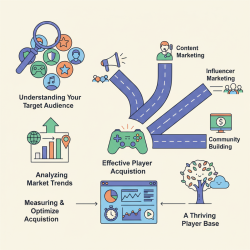
Success often hinges not only on creating an exceptional product but also on effectively reaching and engaging the right players. Market research and strategic player acquisition are foundational pillars for any game's sustained growth and profitability. This article delves into the critical processes of identifying your ideal audience, understanding the dynamic market landscape, and implementing robust strategies to attract and retain players, transforming potential interest into a thriving player base.
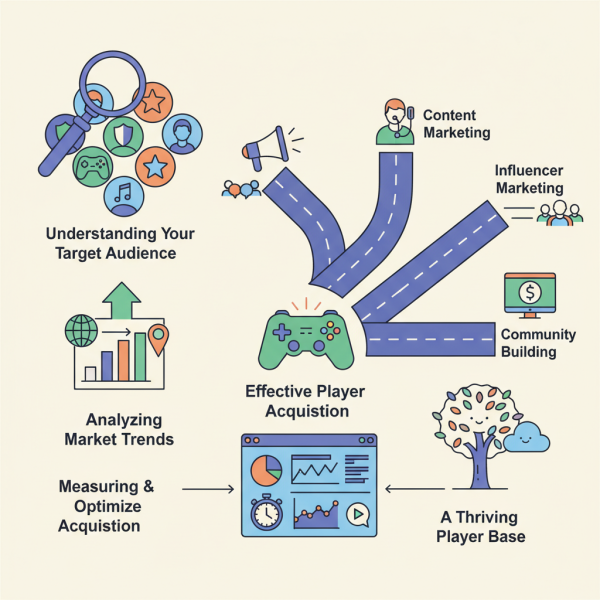
Understanding Your Target Audience
The first step in any successful game launch or ongoing marketing effort is a deep understanding of who you are trying to reach. Without this clarity, marketing efforts can be broad, inefficient, and costly. Identifying your target audience goes beyond simple demographics; it delves into psychographics and behavioral patterns.
Consider the following aspects when defining your target audience:
- Demographics: Age, gender, location, income level, education. These provide a basic framework.
- Psychographics: Personality traits, values, attitudes, interests, lifestyles. What motivates them? What kind of entertainment do they seek?
- Gaming Habits: What genres do they typically play? How much time do they spend gaming? Which platforms do they prefer (PC, console, mobile)? Are they competitive, casual, or story-driven players?
- Pain Points and Desires: What are they currently missing in their gaming experience? What new experiences are they looking for?
Tools for audience research include player surveys, focus groups, interviews, analyzing competitor player bases, and leveraging existing market data reports. Social media listening can also provide valuable qualitative insights into player sentiment and discussions around similar games.
Analyzing Market Trends
The gaming market is in constant flux, with new genres emerging, platforms gaining dominance, and player expectations evolving. Staying abreast of these trends is crucial for positioning your game effectively and identifying untapped opportunities.
Key areas for market trend analysis include:
- Genre Popularity: Which game genres are currently thriving? Are there specific sub-genres showing growth? Is there market saturation in certain areas?
- Platform Shifts: Is PC gaming growing or declining? What's the status of console generations? What's the impact of mobile gaming and cloud gaming services?
- Technological Advancements: How are innovations like VR/AR, AI, or blockchain impacting player experiences and expectations?
- Competitor Analysis: Who are your direct and indirect competitors? What are their strengths and weaknesses? How do they acquire and retain players? What is their unique selling proposition? Learning from their successes and failures can inform your own strategy.
A thorough market analysis helps you understand the competitive landscape, identify market gaps, and anticipate future player demands. This foresight allows for strategic development and marketing decisions.
Effective Player Acquisition Strategies
Once you understand your audience and the market, the next challenge is to effectively attract players. A multi-channel approach is often the most successful, combining various tactics to reach different segments of your target audience.
Content Marketing
Creating valuable, engaging content can naturally draw players to your game. This includes developer blogs detailing the game's creation, behind-the-scenes videos, engaging social media posts, fan art showcases, and community-driven events. The goal is to build excitement and a sense of connection with the game even before launch.
Influencer Marketing
Collaborating with streamers, YouTubers, and content creators who align with your game's genre and target audience can be incredibly effective. Their endorsement and playthroughs can expose your game to a vast, engaged audience that trusts their recommendations. Authenticity is key here; choose influencers who genuinely appreciate your game.
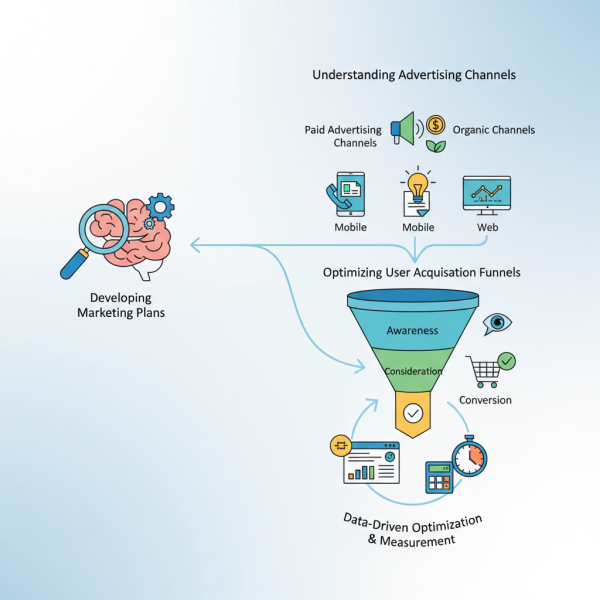
Paid Advertising
Targeted advertisements on platforms like Google, Facebook, Instagram, TikTok, and gaming-specific networks (e.g., Twitch, Unity Ads) allow you to reach specific demographic and psychographic profiles. Careful optimization, A/B testing of ad creatives, and precise targeting are essential to maximize return on investment.
Community Building
Fostering a strong community around your game from its early stages can turn interested individuals into advocates. Platforms like Discord, Reddit, and dedicated forums are excellent for this. Early access programs or beta tests not only provide valuable feedback but also empower players, making them feel invested in the game's development.
Search Engine Optimization (SEO) and App Store Optimization (ASO)
For PC and console games, optimizing your website and related content for search engines ensures your game appears higher in search results when players look for relevant terms. For mobile games, ASO is crucial; optimizing your app store listing (title, description, screenshots, keywords) increases visibility and downloads within app stores.
Measuring and Optimizing Acquisition
Acquisition isn't a "set it and forget it" process. Continuous measurement and optimization are vital for sustained success. Understanding which strategies are performing best allows you to allocate resources more efficiently.
Key Performance Indicators (KPIs) to track include:
- Cost Per Acquisition (CPA) or Customer Acquisition Cost (CAC): How much does it cost to acquire a single player through a specific channel?
- Conversion Rates: What percentage of users who see your ad or visit your page actually download or purchase your game?
- Lifetime Value (LTV): The total revenue a player is expected to generate over their relationship with your game. Ideally, LTV should be significantly higher than CAC.
- Retention Rates: How many acquired players continue to play the game over time? High retention indicates successful acquisition of truly engaged players.
Regularly analyze your data to identify trends, pinpoint underperforming channels, and double down on successful ones. A/B testing different ad creatives, landing pages, and messaging can lead to significant improvements in acquisition efficiency. This iterative process of test, measure, and refine is the cornerstone of effective player acquisition.
Summary
Effective market research and player acquisition are indispensable for a game's triumph in a crowded industry. By meticulously understanding the target audience through demographic and psychographic analysis, and vigilantly monitoring market trends including genre shifts and competitor strategies, developers can lay a robust foundation. Employing diverse acquisition tactics such as compelling content marketing, strategic influencer collaborations, targeted paid advertising, and proactive community building then ensures that the game reaches its intended players. Finally, continuous measurement and optimization using key performance indicators like CPA, LTV, and conversion rates are crucial for refining strategies and ensuring long-term player engagement and success, ultimately translating into a vibrant and growing player base.
Comprehension questions
 What are the key aspects to consider when defining a game's target audience, beyond just demographics?Why is analyzing market trends important for game developers, and what specific areas should they focus on?List three distinct effective player acquisition strategies mentioned in the article and briefly explain how each works.What key performance indicators (KPIs) should be tracked to measure the success of player acquisition efforts, and why are they important?
Review Quiz
Next Lesson
Course Contents : Business of Running a Game Studio
- >> 5.
 Market Research and Player Acquisition