
Permadeath within Video Game Design
What you'll learn
 What is Permadeath in Video Game DesignTypes of Permadeath ImplementationsBenefits of Permadeath for Game DesignChallenges and Considerations
Introduction to Permadeath in Video Game Design
Mechanics that amplify player investment and challenge are constantly sought after. One such mechanic, often debated and deeply impactful, is permadeath. Far from a niche feature, permadeath, in its various forms, has profoundly shaped genres from roguelikes to survival games, offering a unique blend of risk, reward, and narrative potential. For designers and developers, understanding the nuances of permadeath is crucial, as its implementation can drastically alter player experience, game balance, and overall appeal.
This article aims to dissect permadeath, exploring its definitions, diverse applications, and the compelling reasons why it remains a potent tool in a designer's toolkit. We will also delve into the significant challenges and considerations that must be addressed to integrate permadeath effectively and enhance, rather than detract from, the player's journey.
What is Permadeath?
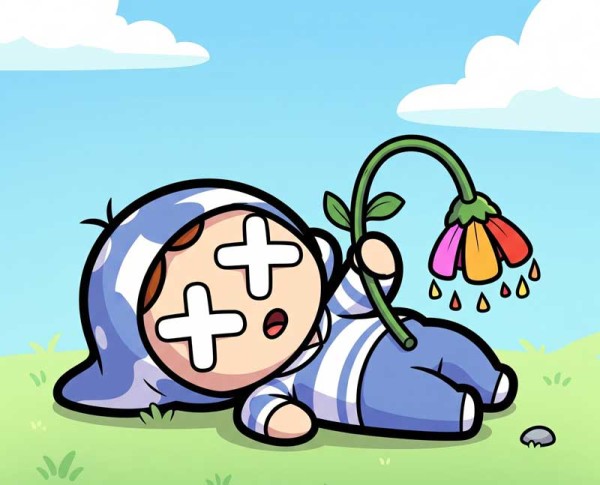
At its core, permadeath signifies a game mechanic where a player character, once defeated, cannot be revived or respawned within the current playthrough. The player's progress is irrevocably lost, often forcing a complete restart of the game or a significant portion of it. This isn't merely a temporary setback like a standard 'Game Over' screen that allows a reload from a recent save; permadeath is final. It elevates the stakes, making every decision and action carry substantial weight.
The severity of permadeath can vary. In some games, losing a character means starting the entire game from the very beginning. In others, a specific character might be permanently gone, but the player can continue with a new character in the same game world, perhaps inheriting some minor advantages or facing a more challenging environment.
Types of Permadeath Implementations
Permadeath is not a monolithic concept; its application can be quite diverse, tailored to suit different genres and design goals. Understanding these variations is key to successful implementation:
- Full Game Restart: This is the most stringent form, typically found in classic roguelikes or arcade-style games. Upon death, the player is returned to the title screen, with all progress, items, and experience points wiped. Examples include Rogue or FTL: Faster Than Light.
- Character Permadeath within Persistent World: Here, individual characters can die permanently, but the game world itself or overarching progress (like unlocked content, lore, or base upgrades) persists. Players might then create a new character, perhaps from a pool of available recruits, to continue in the existing world state. Games like XCOM or Darkest Dungeon utilize this.
- Soft Permadeath / Legacy Systems: A less harsh approach where the consequences of death are significant but not entirely reset. This might involve losing a large amount of progress, items, or inheriting negative traits for subsequent characters. Some games might pass on a 'legacy' to the next generation, offering minor benefits despite the previous character's demise.
- Ironman Modes: Many games offer an optional 'Ironman' mode, where the player explicitly agrees to permadeath rules, often disabling manual saving and forcing automatic, irreversible saves. This allows players to opt into a harder, more intense experience without imposing it on everyone.
Benefits of Permadeath for Game Design
When implemented thoughtfully, permadeath can be a powerful tool for enhancing player experience and achieving specific design objectives:
- Increased Player Investment and Stakes: Knowing that death is final compels players to approach every encounter with caution and strategic foresight. Decisions, from combat tactics to inventory management, become far more meaningful.
- Enhanced Emotional Impact: The permanent loss of a beloved character or a significant run can evoke strong emotions, ranging from despair to elation upon success. This emotional resonance creates memorable gameplay moments.
- Encourages Strategic Thinking and Adaptability: Players are forced to learn from their mistakes and adapt their strategies. They can't simply brute-force through challenges or rely on trial-and-error with quick reloads.
- Promotes Exploration and Risk-Reward Gameplay: The fear of loss often makes players consider less obvious, safer routes or weigh the benefits of a powerful item against the risk of acquiring it.
- High Replayability: With each death, the player starts a new journey. If coupled with procedural generation, this ensures that no two playthroughs are exactly alike, significantly extending the game's replay value.
- Narrative Resonance: Permadeath can create emergent narratives of heroic sacrifice or tragic loss, which often resonate more deeply than scripted story beats. The player's personal journey of overcoming adversity, or failing dramatically, becomes the story.
Challenges and Considerations
Despite its benefits, permadeath is not a one-size-fits-all solution and comes with significant design challenges:
- Frustration and Player Retention: Repeated, unrewarding deaths can lead to immense frustration and cause players to abandon the game. Balancing difficulty is paramount.
- Pacing Issues: If the early game is too slow or tedious, forcing players to repeat it frequently can become a deterrent. Designers must ensure the early game remains engaging.
- Learning Curve Steepness: Permadeath assumes players will learn from mistakes, but if the game's mechanics are too obscure or complex, the learning curve can become an impenetrable wall. Clear feedback and gradual introduction of mechanics are vital.
- Loss Aversion: Humans naturally fear loss more than they value gain. Permadeath can trigger this, making some players too risk-averse, which can stifle exploration and bold play.
- Player Progression and Feeling of Power: In games focused on character progression, permadeath can undermine the sense of growth if progress is constantly reset without any persistent elements.
Targeting Your Audience
When considering permadeath, the target audience is a critical factor. Hardcore players often relish the challenge and investment it demands, viewing it as a mark of a truly demanding game. Casual players, however, might find it overly punishing and a barrier to entry. Designers must carefully weigh their desired player demographic against the inherent difficulty spike permadeath introduces. Providing optional permadeath modes or adjustable difficulty settings can broaden a game's appeal, allowing players to tailor the experience to their preferences.
Summary
Permadeath is a potent and multifaceted game design mechanic that instills a profound sense of consequence and elevates player engagement. From forcing strategic thinking and emotional investment to boosting replayability and emergent narrative, its benefits are substantial when applied thoughtfully. However, designers must navigate the inherent challenges of potential player frustration, steep learning curves, and loss aversion. By understanding its various forms and carefully balancing its implementation with target audience considerations, developers can harness permadeath to craft deeply memorable, challenging, and ultimately rewarding video game experiences.
Comprehension questions
 What is the core definition of permadeath, and how does it differ from a standard 'Game Over' screen?Name and briefly describe at least three distinct types of permadeath implementations discussed in the article.According to the article, what are three significant benefits that permadeath can bring to game design and player experience?What are some key challenges and considerations designers must address when implementing permadeath to avoid player frustration and ensure retention?