Mastering Financial Planning: A Guide for Game Studios
- -->> 4. Mastering Financial Planning: A Guide for Game Studios
What you'll learn
 Realistic Budget CreationCash Flow ForecastingFinancial Resource ManagementCost Control Strategies
Financial planning and astute budgeting are not merely administrative tasks; they are the bedrock of a studio's survival and growth. For every innovative game concept and brilliant design, there must be a robust financial strategy underpinning its creation. Understanding how to craft realistic budgets, accurately forecast cash flow, and manage precious financial resources effectively is paramount, distinguishing between studios that thrive and those that struggle to bring their visions to life.
Why Financial Planning Matters for Game Studios
Game development is a unique industry characterized by long production cycles, high upfront costs, and often unpredictable revenue streams upon launch. Unlike many other businesses, a game studio might invest years and millions into a product before seeing any return. This inherent volatility makes diligent financial planning not just important, but absolutely essential for maintaining stability, fostering creative freedom, and ensuring the well-being of the development team. It empowers studios to make informed decisions, mitigate risks, and navigate potential financial challenges.
Crafting Realistic Budgets
The first step in sound financial management is the creation of a realistic and comprehensive budget. This isn't just a wish list; it's a detailed financial blueprint that accounts for every anticipated expense and revenue source over a specific period. A robust budget considers the entire development lifecycle, from pre-production to post-launch support.
Initial Budgeting Principles
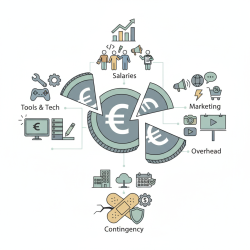
- Detailed Cost Breakdown: Go granular. List every single cost, no matter how small. This includes salaries, software licenses, hardware purchases, marketing campaigns, legal fees, travel, office supplies, and even the cost of coffee.
- Contingency Planning: Unexpected issues are a certainty in game development. Always allocate a contingency fund, typically 10-20% of the total budget, to cover unforeseen costs, scope creep, or delays without derailing the entire project.
- Phased Budgeting: Break down the overall project budget into distinct phases (e.g., pre-production, alpha, beta, launch, post-launch). This allows for more precise resource allocation and easier tracking against milestones.
Key Cost Categories
When developing your budget, ensure you address all major cost centers:
- Personnel: This is often the largest expense, encompassing salaries, benefits, taxes, and contractor fees for programmers, artists, designers, producers, and QA testers.
- Technology & Tools: Licenses for game engines, development software, art tools, version control systems, server costs, and hardware upgrades.
- Marketing & Public Relations: Costs associated with advertising, influencer campaigns, community management, trade shows, and PR agencies.
- Overheads & Operations: Rent, utilities, internet, insurance, administrative staff salaries, and office supplies.
- Quality Assurance & Testing: Internal QA teams, external testing services, and platform certification fees.
- Legal & IP Costs: Trademark registration, contract reviews, intellectual property acquisition or licensing fees.
- Sound & Music: Composer fees, voice acting, sound effects libraries, and licensing for existing music.
Forecasting Cash Flow Effectively
Beyond creating a static budget, understanding and forecasting your studio's cash flow is critical for operational liquidity. Cash flow forecasting predicts the money coming into and going out of your business over a set period, helping you identify potential shortfalls before they become crises.
What is Cash Flow Forecasting?
It's essentially a projection of your bank balance. A positive cash flow means more money is entering than leaving, while a negative cash flow indicates the opposite. For game studios, where revenue often comes in large, infrequent bursts (e.g., launch day sales, investment rounds) while expenses are constant, accurate forecasting is indispensable.
Inputs for Forecasting
Accurate forecasts rely on good data:
- Revenue Streams: Project anticipated sales from your game (units sold, average price, platform cuts), DLC, microtransactions, merchandise, publisher advances, grants, and investment tranches.
- Expenditures: All budgeted expenses, including payroll, operational costs, marketing spend, debt repayments, and tax liabilities. Factor in payment terms – when invoices are due vs. when cash actually leaves your account.
Forecasting Methods and Best Practices
Utilize a combination of methods for a robust forecast:
- Historical Data Analysis: If your studio has launched previous titles, analyze their sales patterns, marketing costs, and operational expenditures to inform future projections.
- Market Research & Competitor Analysis: Study the performance of similar games, genre trends, and market conditions to set realistic sales expectations.
- Scenario Planning: Develop conservative, realistic, and optimistic scenarios. This prepares you for various outcomes and helps in risk assessment.
- Regular Updates: Cash flow forecasts are living documents. Review and update them frequently (e.g., monthly) as new information becomes available or circumstances change.
Managing Financial Resources Wisely
Once budgets are set and cash flow is projected, the ongoing task is to manage those resources prudently to ensure the studio's long-term viability and project success.
Cost Control Strategies
Effective cost control doesn't mean cutting corners; it means optimizing spending:
- Regular Budget Reviews: Conduct weekly or bi-weekly reviews to compare actual spending against the budget. Identify variances early and take corrective action.
- Vendor Negotiation: Always negotiate terms with suppliers, contractors, and service providers to secure the best possible rates and payment schedules.
- Prioritization: Continually evaluate expenditures to ensure they align with project goals and provide the best return on investment. Distinguish between 'needs' and 'wants'.
- Resource Optimization: Maximize the efficiency of your team and tools. Avoid over-staffing and leverage existing assets where possible.
Revenue Optimization and Funding
Beyond controlling costs, actively working to optimize revenue streams is crucial:
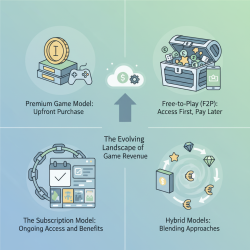
- Diversify Revenue: Don't rely solely on initial game sales. Explore DLC, season passes, merchandise, subscription models, or even porting to new platforms.
- Effective Monetization: If applicable, design in-game monetization strategies that are fair, engaging, and aligned with player expectations to avoid negative backlash.
- Seek Strategic Funding: Understand the various funding options available to game studios – angel investors, venture capitalists, publisher advances, government grants, or crowdfunding. Prepare compelling financial projections and a robust business plan to attract investors.
Tools and Best Practices
Leveraging the right tools and adopting sound practices can significantly ease the burden of financial management.
- Financial Software: While detailed spreadsheets (Excel, Google Sheets) are a staple, consider accounting software like QuickBooks or Xero for managing invoices, expenses, and payroll. Project management tools (Jira, Asana) can also integrate financial tracking for tasks.
- Regular Reporting: Establish a routine for generating financial reports (P&L, balance sheet, cash flow statements) for internal review and for any external stakeholders or investors. Transparency builds trust.
- Financial Literacy: Encourage key team members, especially leads and producers, to understand basic financial concepts. This fosters a shared responsibility for fiscal health.
- Professional Advice: Don't hesitate to consult with experienced accountants, financial advisors, or legal experts who specialize in the game industry. Their expertise can save significant time and money in the long run.
Summary
In conclusion, mastering financial planning and budgeting is indispensable for any game studio aiming for long-term success. By diligently crafting realistic budgets, incorporating contingency plans, and accurately forecasting cash flow, studios can maintain operational stability and make informed decisions. Furthermore, implementing robust cost control strategies and actively seeking revenue optimization opportunities ensures resources are managed wisely. Embracing these financial disciplines allows creative visions to flourish, transforming innovative ideas into commercially viable and critically acclaimed games.
Comprehension questions
 Why is contingency planning crucial when creating a budget for a game studio's development project?What are the two primary categories of inputs required for effective cash flow forecasting in game development?Name three key strategies game studios can employ for effective cost control during project development.Beyond initial game sales, what are some additional revenue streams a game studio can explore for financial optimization?
Review Quiz
Next Lesson
Course Contents : Business of Running a Game Studio
- >> 4.
 Mastering Financial Planning: A Guide for Game Studios