
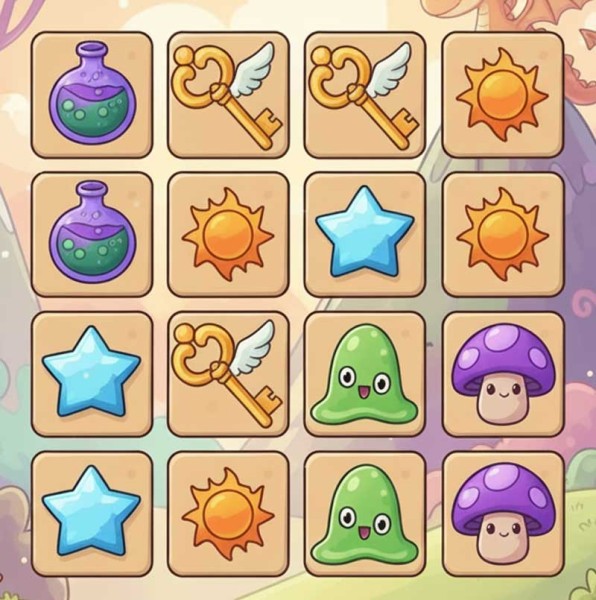
Critical Design Elements for Engaging Match-2 and Match-3 Mobile Games
What you'll learn
 Core MechanicsPlayer ProgressionMonetization StrategiesUser Experience
Mobile gaming is dominated by the casual yet addictive appeal of match-2 and match-3 puzzles. While seemingly simple on the surface, creating a truly engaging and long-lasting title in this crowded genre requires meticulous attention to a myriad of design elements. For video game designers and developers, understanding the critical components that elevate a game from forgettable to fanatic is paramount. This article delves into the essential features and considerations necessary to craft a successful match-2 or match-3 mobile experience that captivates players and sustains their interest over time.
Core Mechanics: The Foundation of Fun
At the heart of any match game lies its core mechanic. This isn't just about swapping pieces; it's about the entire ecosystem of interaction, consequence, and satisfaction derived from each move.
- Match Logic and Feedback: The rules for matching must be crystal clear and consistently applied. Whether it's three in a row, two adjacent, or a specific shape, players need to immediately understand why a match was made or why it wasn't. Equally important is robust visual and audio feedback. Pieces should burst, glow, or animate with satisfying intensity upon a successful match. Sound effects should be crisp and responsive, reinforcing the action. Haptic feedback can add an extra layer of tactile satisfaction.
- Board Design and Dynamics: The playing field itself is a character in these games. Boards can be static grids, but more often, they evolve. Introducing obstacles (ice, chains, blockers), special tiles (bombs, color changers), and dynamic elements (conveyors, portals) creates strategic depth. The layout of the board for each level is a puzzle in itself, guiding player strategy and creating unique challenges.
- Pacing and Flow: A good match game carefully manages its difficulty curve. Early levels should serve as intuitive tutorials, gradually introducing new mechanics. As players progress, challenges should escalate, but never feel insurmountable without a path to victory. The flow between matches, power-up activations, and level completion should feel smooth and exhilarating, maintaining a state of flow for the player.
Progression and Engagement Systems: Keeping Players Hooked
Beyond the immediate satisfaction of matching, long-term engagement hinges on robust progression systems and compelling meta-game loops.
Each level should offer a distinct puzzle, often introducing new obstacles or requiring specific strategies. The difficulty curve must be carefully balanced, providing challenging moments without leading to frustration. A well-designed level sequence introduces new mechanics one at a time, allowing players to master them before combining them in more complex scenarios. Playtesting is crucial here to identify unforeseen difficulty spikes or overly simple levels.
Simply clearing a board becomes monotonous quickly. Introduce varied objectives: collecting specific items, clearing jelly, achieving a high score, dropping ingredients, or saving characters. These varied goals prevent repetition and encourage players to adapt their strategies.
Strategically designed power-ups are essential for both excitement and problem-solving. These can be created by making special matches (e.g., L-shape for a bomb) or earned through gameplay/rewards. Boosters are often consumables that help overcome difficult levels. The design must ensure they feel powerful and useful without trivializing the core challenge.
Players need constant positive reinforcement. This comes in the form of in-game currency, temporary boosts, cosmetic items, or permanent upgrades. A compelling meta-game loop, such as building a garden, renovating a mansion, or collecting characters, provides a larger, overarching goal that ties together the individual puzzle levels, giving players a reason to keep playing beyond just the next level. This often involves using earned rewards to progress in the meta-game.
Monetization and Retention: The Business of Fun
For mobile games, a sustainable business model and strong retention strategies are non-negotiable.
- Ethical Monetization Strategies: While monetization is crucial, it must be implemented ethically. Offering optional purchases for convenience, customization, or accelerating progress is acceptable, but avoid "pay-to-win" mechanics that gate progress for non-spending players. Transparent pricing and valuable offers build trust. Common monetization vectors include extra moves, lives, powerful boosters, and cosmetic items.
- Live Operations and Content Updates: The lifespan of a mobile game extends far beyond its launch. Regular content updates, seasonal events, daily challenges, and limited-time offers keep the game fresh and provide reasons for players to return. A continuous pipeline of new levels and features is vital for long-term retention.
- Social Features: Integrating social elements like leaderboards, gifting lives or boosters, or competing in team events can significantly boost engagement and virality. Players enjoy sharing their achievements and interacting with friends.
- Onboarding and Tutorials: A clear, concise, and engaging tutorial is critical. It should introduce core mechanics gradually, allowing players to learn by doing. Overly long or text-heavy tutorials can lead to early abandonment. Aim for 'learn as you play' where possible.
Polish and Presentation: The User Experience
Even the best mechanics can fall flat without a polished presentation.
The visual aesthetic should be appealing and consistent. UI must be intuitive, with clear buttons and readable text. Good UX ensures smooth navigation, minimal friction, and a delightful interaction with every tap and swipe. Animations should be fluid and transitions seamless.
High-quality sound effects provide crucial feedback and enhance satisfaction. A good musical score sets the mood and can adapt dynamically to gameplay. These elements contribute significantly to the overall immersive experience.
Mobile games must run smoothly across a wide range of devices. Optimized performance, minimal load times, and robust bug-free code are essential to prevent frustration and maintain a positive player experience. Crashes and glitches are surefire ways to lose players.
Conclusion
Crafting a successful match-2 or match-3 mobile game is an intricate dance between intuitive mechanics, compelling progression, thoughtful monetization, and polished presentation. By focusing on crystal-clear match logic, dynamic board designs, and satisfying feedback, designers lay a strong foundation. This foundation is then built upon with diverse level goals, strategic power-ups, and engaging meta-game loops that provide long-term motivation. Finally, ethical monetization, continuous live operations, and a highly polished user experience ensure player retention and commercial viability. Paying close attention to these critical elements transforms a simple puzzle concept into a captivating and enduring mobile sensation.
Comprehension questions
 What are the three main aspects of 'Core Mechanics' that contribute to the foundation of fun in match games?Beyond simply clearing a board, what types of varied objectives can be introduced to prevent monotony and encourage players to adapt their strategies?What are the key ethical considerations for monetization strategies in mobile match games, and what are common monetization vectors mentioned?Why is 'Polish and Presentation' crucial for the user experience in match-2 and match-3 mobile games, and what aspects does it encompass?