
Co-Op vs. PvP: Designing for Diverse Multiplayer Experiences
What you'll learn
 Understanding CoOpUnderstanding PvPA Mix in the Middle : PvPvEDesigning for Player Psychology
The landscape of multiplayer video games is vast and varied, offering experiences that cater to a wide spectrum of player preferences. At its core, this landscape is often divided by two fundamental paradigms: Cooperative (Co-Op) Gameplay and Player-versus-Player (PvP) Gameplay. While both involve multiple participants, their underlying philosophies, design challenges, and psychological impacts on players are distinctly different. For video game designers, understanding these differences is paramount to crafting engaging, sustainable, and successful multiplayer experiences. This article delves into the nuances of Co-Op and PvP, exploring their unique characteristics, design considerations, and the player motivations they tap into.
Understanding Co-Op Gameplay
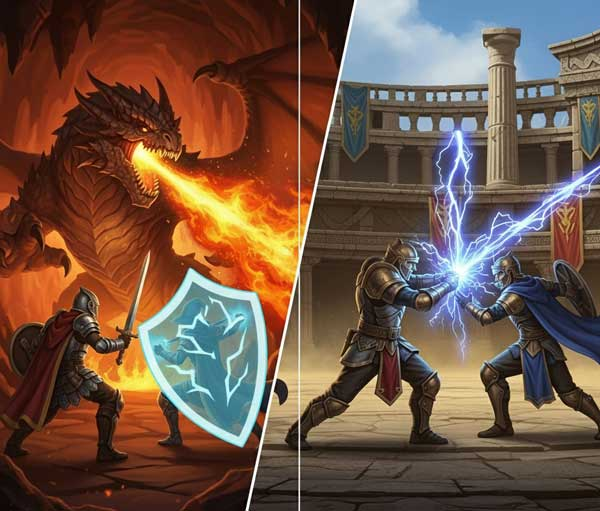
Co-Op gameplay centers on collaboration, where players work together towards a common objective against environmental challenges or AI opponents. The core tenets are shared success, mutual support, and collective problem-solving. It fosters a sense of camaraderie and shared achievement, often leading to stronger social bonds among players.
From a design perspective, Co-Op environments demand careful consideration of several factors:
- Difficulty Scaling: How does the game adapt to varying numbers of players? Is the challenge linearly increased, or are there emergent properties with more players? Dynamic scaling can maintain engagement without overwhelming or underchallenging the team.
- Role Specialization: Do players have distinct roles (e.g., healer, tank, damage dealer) that encourage interdependence? Well-defined roles enhance tactical depth and make each player feel essential to the team's success.
- Communication Tools: Effective communication is vital. Built-in voice chat, quick pings, and contextual markers can facilitate coordination, especially in fast-paced or complex scenarios.
- Friendly Fire Mechanics: The inclusion or exclusion of friendly fire can dramatically alter player behavior and strategy. While it adds a layer of realism and tactical caution, it can also be a source of frustration.
- Resurrection/Revival Systems: How do players recover from being downed? Generous revival mechanics reduce player frustration, while stricter systems increase tension and the cost of mistakes.
Co-Op excels at building communities around shared struggles and triumphs. It reduces the stress of direct competition, focusing instead on the joy of collective accomplishment. Examples range from the intricate raid mechanics of MMORPGs to the survival horror of games like Left 4 Dead or the strategic base-building of Factorio with friends.
Understanding PvP Gameplay
PvP gameplay, by contrast, pits players directly against each other, or against other player teams, in a struggle for dominance. The objective is typically to outperform, outmaneuver, or eliminate opponents. It is driven by competition, skill expression, and the thrill of victory over a human adversary.
Designing compelling PvP experiences requires addressing a different set of challenges:
- Balance: This is arguably the most critical aspect. All playable characters, weapons, abilities, and factions must feel fair and viable. Imbalance can quickly lead to player attrition and a toxic meta. Constant iteration and data analysis are crucial here.
- Matchmaking: An effective matchmaking system is essential for ensuring fair and enjoyable matches. It should ideally pair players of similar skill levels to provide challenging yet winnable encounters.
- Anti-Griefing Measures: To maintain a healthy competitive environment, systems must be in place to prevent exploits, cheating, and unsportsmanlike conduct. Reporting tools, robust anti-cheat software, and active moderation are key.
- Progression and Rewards: How do players feel rewarded for their participation and performance? Ranked ladders, cosmetic unlocks, and competitive seasonal rewards motivate continuous engagement and skill improvement.
- Map Design and Game Modes: Varied maps and game modes prevent stagnation and cater to different tactical preferences. Each map should offer unique strategic opportunities and challenges.
PvP appeals to players seeking to test their abilities against the most unpredictable opponent: another human. It offers endless replayability as the meta constantly evolves, and the satisfaction of outwitting a real person is a powerful draw. Popular examples include fast-paced arena shooters, strategic MOBAs like League of Legends, and intense battle royales.
The Hybrid Approach: PvPvE
Some of the most innovative multiplayer titles successfully blend Co-Op and PvP elements into a single experience, often referred to as PvPvE. This approach introduces environmental threats alongside player competition, creating a complex ecosystem where players must decide whether to cooperate against AI or betray others for greater rewards.
Designing for PvPvE requires an intricate understanding of both paradigms. It can lead to incredibly dynamic and emergent gameplay, but also carries the risk of frustrating players who prefer one extreme over the other. The balance between risk and reward, and the clarity of player objectives, become even more critical in these designs. Games like Escape from Tarkov or The Division's Dark Zone are prime examples, where moments of uneasy alliance can quickly devolve into cutthroat betrayal.
Designing for Player Psychology
At the heart of Co-Op vs. PvP is player psychology. Co-Op games often tap into desires for social connection, belonging, and shared accomplishment. They can be less intimidating for new players and foster a supportive community. PvP games, conversely, appeal to primal instincts of competition, mastery, and dominance. They provide a platform for skill expression, personal growth through challenge, and the thrill of high stakes. Designers must identify which psychological levers they wish to pull and tailor their mechanics, onboarding, and reward structures accordingly.
Key Design Considerations Across Both Paradigms
Regardless of whether a game leans Co-Op or PvP, several universal design principles remain crucial for long-term success:
- Clear Objectives and Feedback: Players need to understand what they are trying to achieve and receive clear feedback on their progress and performance.
- Meaningful Progression: Whether it's character upgrades, cosmetic unlocks, or rank advancements, a sense of ongoing progression keeps players invested.
- Community Management: A healthy community is the lifeblood of any multiplayer game. Tools for reporting, moderation, and fostering positive interactions are vital.
- Content Updates: Regular updates, new maps, characters, modes, or challenges keep the experience fresh and prevent player burnout.
Summary
In conclusion, the choice between Co-Op and PvP gameplay fundamentally shapes a multiplayer title's identity, player base, and design challenges. Co-Op emphasizes collaboration, shared success, and social bonding, requiring designers to focus on scaling, roles, and communication. PvP, conversely, thrives on competition, skill expression, and direct conflict, necessitating rigorous balance, effective matchmaking, and robust anti-cheat measures. Hybrid approaches offer dynamic experiences but demand an even finer touch in balancing conflicting player motivations. Ultimately, understanding the distinct psychological drivers and design complexities of each paradigm allows video game designers to intentionally craft experiences that resonate deeply with their target audience, ensuring both immediate engagement and sustained player retention.
Comprehension questions
 What are the core philosophical differences between Co-Op and PvP gameplay?List three key design considerations unique to Co-Op gameplay and explain why they are important.List three critical design challenges faced when developing a PvP game, especially concerning balance and player retention.How does a hybrid PvPvE approach attempt to combine elements of both Co-Op and PvP, and what are its potential design risks?