
Dialogue Trees: Creating Branching Narratives in Games
What you'll learn
 What are Dialogue TreesCore Components of Dialogue SystemTypes of Branching StructuresHow to Design Effective Dialog TreesTechnical ImplicationsChallenges and Pitfalls
In the vast landscape of video game development, engaging narratives are paramount to player immersion and retention. Among the most powerful tools at a designer's disposal for crafting these stories are dialogue trees and conversation branching systems. These intricate structures allow players to interact with the game world and its characters in meaningful ways, shaping their journey and experiencing a narrative that feels personal and responsive.
For game designers and developers, understanding the mechanics, design principles, and technical considerations behind these systems is crucial. This article will explore the fundamental concepts of dialogue trees, delve into various branching methodologies, and discuss the practical challenges and best practices for implementing them effectively to create truly dynamic and memorable interactive experiences.
What Are Dialogue Trees?
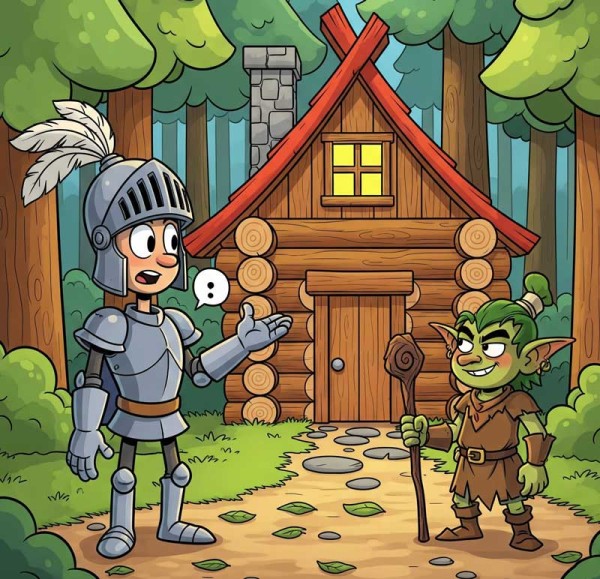
At its heart, a dialogue tree is a structured sequence of conversations where a player's choices influence the progression of the dialogue and, often, the game's narrative. Imagine a flowchart: each point in the conversation is a "node," representing a line of dialogue from an NPC or a choice offered to the player. The lines connecting these nodes are "branches," dictating the path the conversation takes based on player input or internal game logic.
Unlike linear scripts, dialogue trees empower players with agency. They provide an illusion of free will, allowing them to ask questions, make decisions, express emotions, and sometimes even determine the fate of characters or the outcome of quests. This interactivity is key to distinguishing video game storytelling from other narrative mediums.
Core Components of a Dialogue System
A robust conversation system is built upon several fundamental elements working in concert:
- Nodes: These are the basic units of a dialogue tree. A node can represent a single line of NPC dialogue, a player choice prompt, an internal game event (like awarding a quest item or updating a quest log), or a condition check. Different node types serve different purposes within the conversation flow.
- Branches (Edges): Branches are the connections between nodes. They define the flow of conversation. When a player makes a choice, a specific branch is followed, leading to the next relevant node. Branches can be conditional, meaning they only become available or lead to a specific outcome if certain criteria are met.
- Conditions: These are logical checks that determine if a particular branch or dialogue option is available to the player. Conditions can be based on various game states, such as player stats (e.g., Charisma skill), reputation with an NPC faction, completion of other quests, possession of specific items, or even previous dialogue choices made.
- Outcomes (Side Effects): Beyond simply advancing the conversation, dialogue choices often have tangible effects on the game world. These outcomes can include updating quest objectives, altering NPC relationships, unlocking new abilities, gaining or losing items, triggering events, or even changing the game's ending. Explicitly designing these outcomes is critical for meaningful player choice.
Types of Branching Structures
The architecture of a dialogue tree can vary significantly, each offering distinct narrative possibilities:
- Linear (with minor branches): The simplest form, where the conversation primarily follows a single path, but offers occasional minor branches for flavor or to gather more information, eventually merging back into the main line. This is cost-effective but offers limited player agency.
- Hub-and-Spoke: Here, a central "hub" node (often an NPC offering multiple topics) branches out into several distinct "spoke" conversations. Players can explore different topics and then return to the hub. This is common for quest-givers or vendors.
- Network/Open-Ended: This structure allows for multiple branching paths that do not necessarily converge back to a single point. Player choices can lead to wildly different narrative arcs, character fates, and game endings, significantly enhancing replayability and player impact. This is the most complex to design and implement.
- Conditional Branching: While present in all sophisticated systems, this type specifically emphasizes branches that are dynamically revealed or altered based on a wide array of game states. For example, a "persuade" option might only appear if the player's Charisma stat is above a certain threshold, or if they have completed a specific favor for the NPC.
Designing Effective Dialogue Trees
Creating compelling dialogue trees requires a blend of creative writing and thoughtful system design:
Clarity and Player Agency: Ensure player choices are clear and their implications understandable. Avoid "gotcha" choices where the outcome is completely unexpected or misaligned with the player's selection. Players should feel empowered, not confused.
Managing Complexity: While deep branching is desirable, exponential growth can quickly become unmanageable. Utilize techniques like collapsing branches where appropriate, or segmenting conversations into smaller, manageable sub-trees to keep development viable.
Writing Compelling Dialogue: Even the most intricate tree will fall flat without well-written, character-appropriate dialogue. Voice actors, localization, and emotional resonance are key. Each character should have a distinct voice.
Feedback and Consequences: Players need to see and feel the impact of their choices. This can be immediate (an NPC reacting angrily) or long-term (a quest unfolding differently). Without consequences, choices feel hollow.
Replayability: Consider how different choices might encourage players to revisit the game. Unlocking new paths or seeing alternative endings can be a powerful motivator.
Technical Implementation Considerations
From a development perspective, several factors are critical for building a robust dialogue system:
- Tools and Editors: Visual dialogue editors (e.g., Ink, Twine, proprietary tools) are invaluable. They allow designers to map out complex conversations visually, making it easier to track branches, conditions, and outcomes. Scripting languages for defining dialogue logic are also common.
- Data Structure: How will dialogue be stored? Common approaches include XML, JSON, or custom binary formats. The chosen structure must efficiently represent nodes, branches, conditions, and outcomes, and be easily parsable by the game engine.
- Integration with Gameplay Systems: Dialogue systems rarely exist in a vacuum. They must seamlessly interact with quest systems, inventory management, character attribute systems, faction reputation, and event triggers. APIs and clear data interfaces are essential for this cross-system communication.
- Testing and Debugging: Complex dialogue trees are prone to errors (e.g., dead ends, incorrect conditions, broken outcomes). Robust testing tools, including automated path checkers and in-game debug modes that display current conditions, are crucial for identifying and rectifying issues.
Challenges and Pitfalls
Despite their power, dialogue trees come with inherent challenges:
Exponential Growth: Every new choice point can potentially double the amount of dialogue that needs to be written and implemented, leading to massive content requirements and development costs. Careful planning is essential to manage this "narrative bloat."
Player Expectation vs. Reality: Players often expect every choice to lead to a significantly different outcome. Managing these expectations while delivering a compelling, yet feasible, narrative is a delicate balancing act.
Writing Consistency: As teams grow, maintaining a consistent tone, character voice, and narrative quality across potentially hundreds or thousands of dialogue lines can be extremely difficult.
Resource Allocation: The time, money, and personnel required for writing, implementing, voice-acting, localizing, and testing extensive dialogue trees can be substantial. Development teams must allocate resources wisely.
Summary
Dialogue trees are a cornerstone of modern interactive storytelling in video games, offering players unparalleled agency and immersion. By understanding their core components – nodes, branches, conditions, and outcomes – and carefully considering different branching structures, designers can craft narratives that truly resonate. Effective implementation hinges on clear design principles, robust technical frameworks, and a keen awareness of the inherent challenges, particularly managing complexity and resource allocation. Mastering dialogue trees is essential for any developer aiming to create deeply engaging and memorable game worlds.
Comprehension questions
 What are the four core components of a dialogue system, and what is the primary function of each?Describe the main differences between a linear (with minor branches) and a network/open-ended branching structure in dialogue trees.What are some key design considerations for creating effective dialogue trees that enhance player agency and engagement?List and briefly explain at least three technical implementation considerations crucial for building a robust dialogue system.
Community Poll
Related Content
Co-Op vs. PvP: Designing for Diverse Multiplayer Experiences
This article explores the fundamental differences between Cooperative (Co-Op) and Player-versus-Player (PvP) gameplay in video games, examining their unique design challenges and the distinct player m...


Turn-Based vs. Real-Time Combat: A Developer's Guide to System Selection
This article dissects the fundamental differences between turn-based and real-time combat systems, exploring their impact on strategic depth, pacing, accessibility, and technical implementation...
