
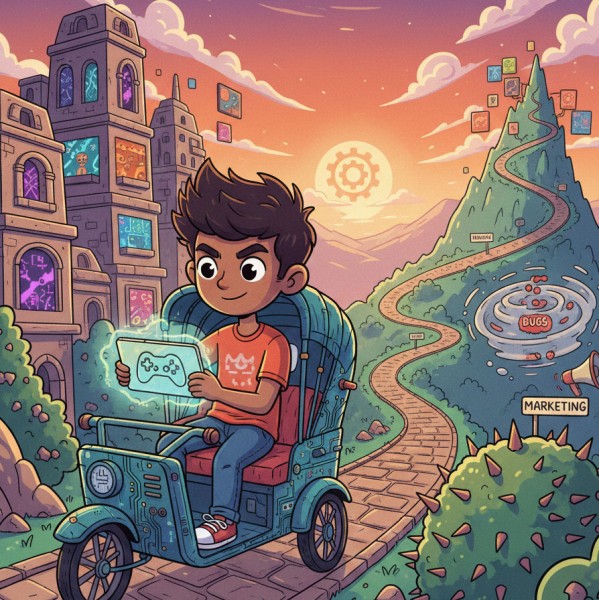
Navigating Indie Game Development in India
What you'll learn
 Indie Game Development DefinitionPros of Independent DevelopmentCons of Independent DevelopmentIndian Gaming Market Dynamics
The global video game industry is a vibrant ecosystem, with indie game development emerging as a powerful force. In India, this phenomenon is particularly interesting, marked by a unique blend of cultural influences, technological advancements, and a rapidly expanding player base. For aspiring and established game designers and developers, understanding what it means to be an indie game developer in India, along with the inherent advantages and disadvantages of this path, is crucial for navigating this dynamic landscape.
What is an Indie Game Developer?
At its core, an indie (independent) game developer is an individual or a small team that creates video games without the financial backing or operational oversight of a large publisher. These developers typically self-fund their projects, rely on personal savings, crowdfunding, or small grants. The hallmark of indie development is creative autonomy – the freedom to explore unique concepts, experimental mechanics, and niche genres that might be deemed too risky for larger studios focused on mainstream appeal.
The Indian Context
In India, the indie scene has witnessed remarkable growth. What was once a nascent industry is now teeming with talent, driven by increased internet penetration, affordable smartphones, and a burgeoning interest in digital entertainment. Indian indie developers often face specific challenges and opportunities:
- Cultural Integration: A strong inclination towards incorporating Indian myths, folklore, history, and social narratives into game designs, creating unique and relatable experiences for local audiences.
- Mobile-First Approach: Given India's massive mobile user base, many indie developers prioritize mobile platforms, focusing on free-to-play models with in-app purchases or hyper-casual experiences.
- Resourcefulness: Operating with limited budgets often necessitates innovative solutions, lean development practices, and a strong emphasis on community engagement.
The Allure of the Indie Route: Pros
Choosing the independent path offers several compelling benefits, especially for those passionate about game creation and artistic expression.
- Creative Freedom and Vision: This is perhaps the most significant advantage. Indie developers have complete control over their game's concept, art style, mechanics, and narrative. There are no corporate mandates or market-driven compromises to dilute their original vision.
- Direct Player Connection: Indie developers often engage directly with their player base through early access, social media, and forums. This direct feedback loop allows for agile iteration and fosters a strong community around the game.
- Full Ownership and Control: From intellectual property rights to business decisions, indie developers retain full ownership. This means all successes are theirs, and they have the final say in the direction of their studio and its projects.
- Agility and Innovation: Smaller teams can pivot quickly, experiment with new technologies, and adopt unconventional design philosophies more readily than large studios burdened by bureaucracy and legacy systems. This often leads to truly innovative and groundbreaking titles.
- Potential for High Returns: While success is not guaranteed, a breakout indie hit can yield significant financial returns, with a much larger share going directly to the creators compared to traditional publishing deals.
- Diverse Skill Development: Operating as an indie often requires developers to wear many hats – from design and programming to art, sound, marketing, and business management. This holistic experience builds a comprehensive skill set invaluable for future endeavors.
Navigating the Challenges: Cons
Despite its appeal, the indie path is fraught with significant challenges that require immense resilience, planning, and often, a bit of luck.
- Financial Instability and Risk: The primary hurdle is funding. Most indie developers rely on personal savings, and the financial runway can be short. There's no guaranteed salary, and the risk of projects not generating enough revenue to sustain development or personal living costs is high.
- Marketing and Visibility Struggles: In a crowded marketplace with thousands of games released annually, standing out is incredibly difficult. Indie developers often lack the marketing budgets and PR teams of major publishers, making discovery a significant challenge.
- Intense Workload and Burnout: Small teams mean everyone carries a heavy load. Long hours, tight deadlines, and the pressure of being solely responsible for a project's success can lead to severe stress and burnout.
- Limited Resources and Infrastructure: Access to specialized tools, large-scale testing facilities, or even dedicated office space can be scarce. Developers often work from home or co-working spaces, sometimes making collaboration and resource sharing difficult.
- Reliance on Self-Discipline and Motivation: Without external deadlines or management, maintaining focus, discipline, and motivation over long development cycles requires exceptional self-drive. Procrastination and scope creep are constant threats.
- High Competition: The barrier to entry for game development tools has lowered significantly, leading to an explosion of indie titles. This fierce competition makes it harder for individual games to gain traction and financial viability.
Key Considerations for Indian Indie Developers
For those embarking on this journey in India, several strategic points warrant attention:
- Understand the Local Market: Research local player preferences, cultural nuances, and pricing sensitivities. Games that resonate with Indian audiences have a higher chance of success.
- Leverage Mobile Platforms: Given the overwhelming dominance of mobile gaming in India, prioritizing Android and iOS development with a focus on optimization for diverse devices is often a wise strategy.
- Community Building: Actively engage with the local and global game development communities. Networking, sharing knowledge, and seeking feedback are invaluable. Events like IndiaJoy, IGDC, and local meetups are great opportunities.
- Localization: Consider offering games in multiple Indian languages to reach a broader audience, which can significantly boost engagement and market penetration.
- Explore Funding Opportunities: Beyond bootstrapping, look into government grants for startups, angel investors interested in the gaming sector, and accelerator programs specifically supporting indie developers.
Summary
Indie game development in India presents a landscape of immense creative potential alongside significant challenges. This article explored what defines an indie game developer, particularly within the unique Indian context, highlighting the drive for creative autonomy and resourcefulness. We delved into the compelling pros, such as unparalleled creative freedom, direct player interaction, and the potential for high returns, balanced against the formidable cons like financial instability, marketing hurdles, and the risk of burnout. Understanding these facets is essential for any game designer or developer considering the independent path, enabling them to make informed decisions and strategize effectively for success in India's burgeoning gaming industry.
Comprehension questions
 What are the key characteristics that define an indie game developer, especially within the Indian context?Name three significant advantages of choosing the indie game development route.What are some of the major challenges an indie game developer might face, particularly regarding finances and market visibility?Why is a mobile-first approach often crucial for indie game developers targeting the Indian market?