
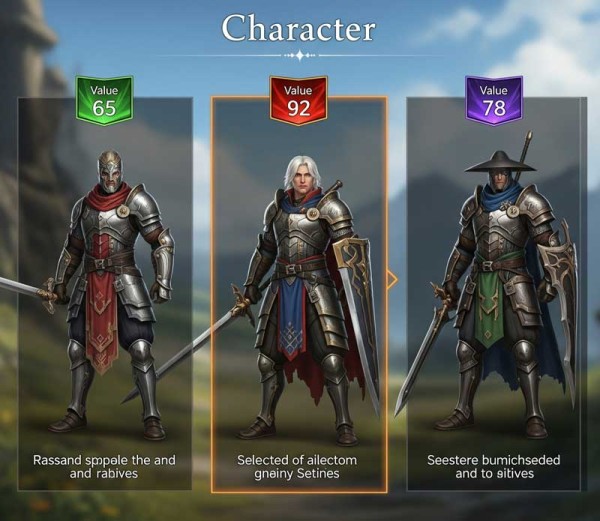
The Value and Gameplay Depth of In-Game Character Customization
What you'll learn
 The Psychological Power of PersonalizationMonetization and RetentionAdding Depth to Long-Term GameplayDesign Considerations for Customization Systems
In the evolving landscape of video games, player agency and personalization have become paramount. Character customization, once a mere aesthetic afterthought, has transformed into a critical design pillar. It's more than just choosing a hairstyle or clothing color; it's a powerful tool that offers significant business value and substantially deepens the long-term gameplay experience. For video game designers and developers, understanding the multifaceted impact of robust customization systems is key to creating engaging, profitable, and enduring titles.
The Psychological Power of Personalization
At its core, character customization taps into fundamental human psychology. Players seek to project themselves into the game world, to see a reflection of their identity or an ideal persona. This act of creation fosters a powerful sense of ownership and connection to their in-game avatar.
- Identity Projection: Players use customization to express their real-world self, an aspirational self, or a distinct character persona within the game's narrative. This personal investment makes the game experience more meaningful.
- Agency and Control: Offering choices empowers players, giving them a feeling of control over their experience. This sense of agency is a strong motivator for continued engagement.
- Emotional Connection: A character painstakingly designed by the player becomes "theirs" in a profound way, increasing the emotional stakes and making them more likely to continue playing and investing in that character's journey.
Business Value: Monetization and Retention
Beyond psychological benefits, well-implemented character customization systems are a goldmine for business. They directly and indirectly contribute to a game's profitability and longevity.
Direct Monetization through Cosmetics
The most obvious business benefit comes from the sale of cosmetic items. Players are often willing to pay for unique outfits, accessories, emotes, and other visual enhancements that allow them to stand out or further personalize their avatar. This forms a significant revenue stream, especially in free-to-play and live-service games.
- Microtransactions: Selling individual cosmetic items (skins, emotes, mounts, pets) allows players to tailor their look and directly fund ongoing development.
- Battle Passes and Season Passes: These systems often gate exclusive customization options behind progression and purchase, encouraging sustained play and recurring revenue.
- Bundles and Premium Stores: Offering themed cosmetic sets or rotating premium items creates a sense of exclusivity and urgency, driving sales.
Indirect Monetization: Boosting Engagement and Longevity
Character customization also drives value indirectly by boosting player engagement, retention, and community activity, which in turn supports other monetization efforts and extends the game's lifespan.
- Increased Retention: Players who have invested time and effort into customizing a character are far more likely to stick with a game long-term. Their personal investment acts as a powerful anchor.
- Social Sharing and Virality: Players love to show off their unique creations. Screenshots, videos, and discussions of character builds and aesthetics create organic marketing and foster a vibrant community.
- Community Building: Customization can facilitate sub-communities centered around fashion, role-playing, or specific character themes, enriching the social fabric of the game.
- Extended Player Lifecycle: By continuously offering new customization options, developers provide fresh content incentives that keep players coming back for years.
Adding Depth to Long-Term Gameplay
The impact of customization extends far beyond initial character creation; it significantly contributes to the depth and richness of the long-term gameplay experience, making each playthrough unique and rewarding.
Personalized Progression and Rewards
Customization allows for a more personal progression journey. Earning or unlocking unique gear, tattoos, or appearance traits transforms these rewards into meaningful milestones that visually represent a player's achievements and dedication.
- Visual Achievements: Rare customization items can serve as badges of honor, showcasing a player's skill, completion of challenging content, or loyalty to the game.
- Dynamic Character Evolution: As players progress, their character's appearance can evolve, telling a visual story of their journey through the game world. This adds a layer of narrative depth to the player's personal experience.
- Enhanced Replayability: The desire to create different character archetypes or explore alternative aesthetic paths can motivate players to engage in multiple playthroughs, discovering new facets of the game's systems and world.
Social and Role-Playing Dimensions
In multiplayer environments, customization is vital for identity and social interaction. It allows players to distinguish themselves, inhabit specific roles, and deepen their engagement with the game's social aspects.
- Unique Identity in Crowds: In densely populated online worlds, a custom character stands out, fostering recognition and personal branding among players.
- Facilitating Role-Playing: For games with strong role-playing elements, customization is fundamental. It allows players to fully embody their character's background, personality, and aspirations, enriching the role-playing experience for themselves and others.
- Expressing Affiliation: Guild insignias, faction-specific gear, or clan colors allow players to visually express their allegiance and belonging, strengthening community bonds.
Design Considerations for Effective Customization Systems
Implementing a successful customization system requires careful planning and execution. Developers must strike a balance between player freedom and maintaining the game's artistic vision.
- Artistic Cohesion: While offering choice, ensure that customization options generally fit within the game's art style and lore to maintain immersion and a consistent aesthetic.
- User Experience: The customization interface must be intuitive, easy to navigate, and provide clear previews of changes. Frustrating systems deter engagement.
- Scalability and Future Content: Design the system with expandability in mind, allowing for easy integration of new cosmetic items and customization features over the game's lifespan.
- Lore Integration: Where appropriate, link customization options to the game's narrative or world-building, giving them deeper meaning and context.
- Avoiding Pay-to-Win: Crucially, cosmetic customization should remain separate from gameplay advantages. Any perceived pay-to-win elements will alienate players and damage the game's reputation.
Summary
Character customization is far more than a superficial feature; it is a strategic investment for video game developers. By tapping into fundamental player psychology, it fosters deep personal connection and agency. From a business perspective, it drives significant direct monetization through cosmetic sales and enhances indirect value by boosting player retention, fostering community, and extending the game's overall lifespan. Furthermore, a robust customization system enriches long-term gameplay by providing personalized progression, encouraging replayability, and deepening social and role-playing interactions. Thoughtful design and continuous support for these systems are essential for creating titles that resonate deeply with players and achieve lasting success in the competitive gaming market.
Comprehension questions
 What are two primary psychological benefits players gain from character customization?Name two ways character customization directly contributes to a game's monetization.How does character customization indirectly contribute to a game's longevity and community building?What are three key design considerations developers should address when implementing a character customization system?
Community Poll
Related Content
Designing Identity: The Mechanics of Avatar Customization Systems
This article explores the fundamental workings of avatar design systems in video games, detailing their modular components and the technical architecture that supports them...

