A Deep Dive into Idle Genre Game Design
- -->> 1. A Deep Dive into Idle Genre Game Design
What you'll learn
 Core Mechanics of Idle GamesPsychology of Passive ProgressionMonetization in Idle GamesKey Design Challenges
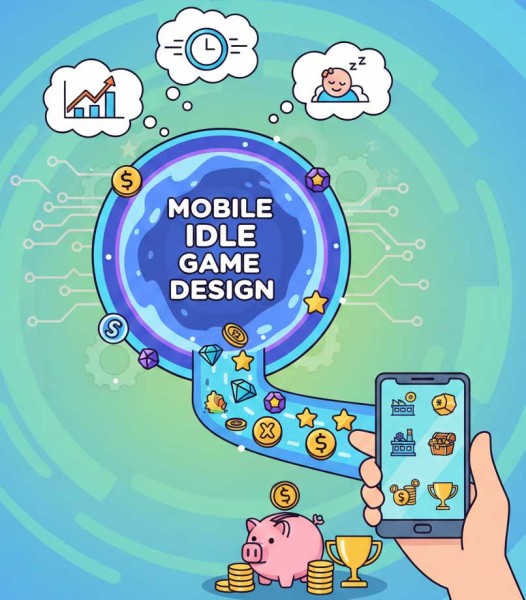
Often dismissed as simple clickers, idle games represent a sophisticated blend of psychology, progression, and passive engagement. For video game designers and developers, understanding the mechanics and player motivations behind this genre is crucial for tapping into a highly lucrative and dedicated player base. This article will delve into what defines an idle game, explore its core design principles, and discuss the keys to creating a compelling, long-lasting experience within this unique mobile niche.
The Core Loop: Simplicity and Automation
At its heart, an idle game is defined by its core loop: players perform an initial action, which then generates resources or progress automatically over time, even when the player is not actively engaged. The initial actions often involve tapping or clicking to produce early resources, but the ultimate goal is always automation. This automation is typically achieved through purchasing or upgrading "producers" or "managers" that continuously generate income, points, or items.
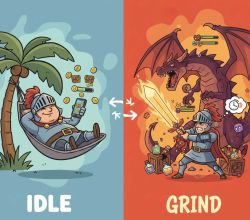
The beauty of this loop lies in its low demand on player attention. Unlike traditional games that require constant input and skill, idle games allow players to check in periodically, make a few strategic decisions, and then return to their daily lives while the game continues to run in the background. This "set it and forget it" appeal is a primary driver of their success on mobile platforms, where players often seek entertainment in short bursts.
Progression Systems: The Engine of Engagement
A successful idle game thrives on a meticulously crafted progression system. Players must always feel like they are moving forward, even if slowly. This sense of continuous advancement is what keeps them coming back.
-
Incremental Growth: Small, frequent rewards are fundamental. Players earn currency, unlock new upgrades, or boost production rates consistently, reinforcing their investment in the game. Each upgrade, no matter how minor, contributes to the overall power curve.
-
Resource Management: Multiple currencies and resource types are common, each feeding into different aspects of the game. Players might manage basic gold for production upgrades, gems for premium boosts, or specific components for rare unlocks. Efficient resource allocation becomes a strategic challenge.
-
Prestige/Rebirth Mechanics: To combat diminishing returns and keep the game fresh, many idle games incorporate a "prestige" or "rebirth" system. This allows players to voluntarily reset their progress, often in exchange for a permanent boost or a new type of currency that accelerates future playthroughs. It transforms the end game into a new beginning, offering a powerful long-term meta-progression.
-
Offline Progress: A cornerstone of the idle genre, offline progress ensures that players continue to earn resources even when the app is closed. This feature is critical for the "idle" aspect, providing a welcome return with accumulated rewards and reinforcing the idea that their investment is always working for them.
Player Psychology: Why Inactivity Appeals
The success of idle games is deeply rooted in human psychology, appealing to fundamental desires with minimal effort required from the player.
One primary draw is the profound sense of progress without significant active input. In a busy world, the ability to see numbers grow and systems expand simply by existing or making occasional decisions is incredibly satisfying. It taps into the human desire for achievement and growth, but without the high cognitive load or time commitment of more demanding genres.
Idle games also offer a low barrier to entry. They are easy to pick up, understand, and play, making them accessible to a broad audience. The core mechanics are usually intuitive, allowing new players to quickly grasp the loop and feel competent. This ease of access encourages initial downloads and sustained engagement.
Furthermore, the nature of continuous, passive income generates a powerful compulsion loop. Players know that by simply waiting, they will accumulate more resources, which they can then spend on new upgrades, further accelerating their progress. This creates a gentle but persistent urge to check back in, not out of obligation, but out of anticipation for new growth. This minimizes "fear of missing out" (FOMO) because progress happens regardless of constant interaction, reducing player stress.
Monetization Strategies in Idle Games
Monetization in idle games is carefully integrated to enhance, rather than hinder, the passive progression experience. The primary goal is to offer value that either accelerates progress, removes friction, or provides cosmetic personalization.
-
In-App Purchases (IAPs): These are often focused on "time-saver" packs, permanent boosts (e.g., double income, faster production, increased offline earnings), premium currency for rare upgrades, or removal of ads. The key is to make these purchases feel optional but highly appealing for players who want to speed up their journey or enhance their idle efficiency.
-
Ad Monetization: Rewarded video ads are a staple, offering temporary boosts (e.g., 2x income for 30 minutes), instant small sums of premium currency, or skipping short timers. Interstitial ads can also be used, but generally with less frequency to avoid disrupting the core idle flow. The voluntary nature of rewarded ads makes them highly effective and well-received by players.
The balance is crucial: monetization should never feel punitive or mandatory. It should feel like a convenient shortcut or a way to support the game, rather than a necessary hurdle to progression. Well-designed idle games allow players to progress indefinitely without spending, albeit at a slower pace, fostering goodwill and long-term retention.
Design Challenges and Best Practices
While seemingly simple, designing a compelling idle game comes with its own set of challenges that developers must navigate.
One of the biggest hurdles is avoiding stagnation. Early game excitement can quickly wane if new systems, upgrade paths, or content are not regularly introduced. A successful idle game continually expands its scope, offering new layers of complexity or new production chains to master, ensuring there's always something fresh to work towards.
Balancing is paramount. The rate of progression must feel satisfying—not so fast that players burn out, and not so slow that they lose interest. This involves careful tuning of income rates, upgrade costs, and the effectiveness of prestige mechanics. A well-balanced game keeps players in a state of flow, consistently rewarding their decisions.
User Interface (UI) and User Experience (UX) are also critical. Information needs to be presented clearly and concisely, especially given the multitude of resources, upgrades, and systems. Players should be able to quickly understand their current progress, where to invest next, and what rewards await them. Intuitive navigation and visual feedback are essential.
Finally, fostering early game engagement is vital. While the game eventually becomes idle, the initial hours often require more active input to hook players. This early active phase introduces mechanics, provides quick wins, and establishes the game's core loop before automation truly takes over. Conversely, ensuring late game depth prevents long-term players from abandoning the game, offering complex strategic choices or ongoing events.
Summary
Idle genre games have carved out a significant and thriving niche in mobile game design by masterfully leveraging passive engagement and psychological rewards. They offer a unique blend of continuous progression, strategic resource management, and automated gameplay that appeals to players seeking entertainment with minimal active commitment. Understanding the core loop, sophisticated progression systems, inherent psychological hooks, and thoughtful monetization strategies is key for developers looking to succeed in this captivating genre. By focusing on constant growth, careful balancing, and clear user experience, designers can craft an idle game that provides long-term satisfaction and builds a dedicated player base.
Comprehension questions
 What is the fundamental core loop that defines an idle game, and how does it differentiate from more active genres?Beyond simple resource generation, what are two key psychological reasons why players are drawn to the idle game genre?Describe two primary monetization strategies commonly employed in idle games and how they are typically integrated to enhance the player experience.
Review Quiz
Next Lesson

Course Contents : Designing for the Mobile Idle Genre
- >> 1.
 A Deep Dive into Idle Genre Game Design