The Enduring Power of Persistence
- -->> 5. The Enduring Power of Persistence
What you'll learn
 Consistent EffortLong-Term Goal AchievementPatience and ResilienceHabit Formation
In a world that often celebrates instant gratification and overnight successes, the true power of consistent, sustained effort can sometimes be overlooked. We are frequently bombarded with stories of rapid ascents, leading many to believe that significant achievements must come quickly. However, the most profound and lasting accomplishments are rarely the product of a sudden surge; instead, they emerge from what is often termed the "slow burn." This concept refers to the methodical, persistent application of energy and focus over extended periods, allowing progress to build incrementally, often unnoticed until it reaches a critical mass. It is about understanding that true transformation and mastery are processes, not events, demanding patience, resilience, and an unwavering commitment to the journey.
Understanding the "Slow Burn" Philosophy
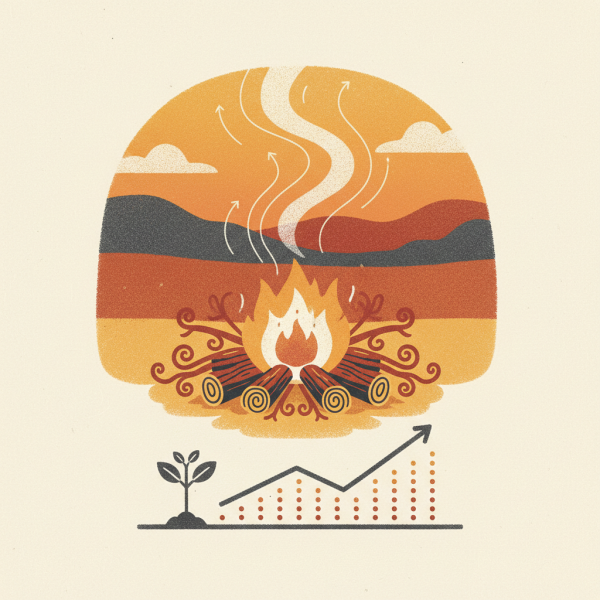
The "slow burn" is fundamentally about compounding effort. Imagine a small ember that, given consistent oxygen and fuel, eventually grows into a roaring fire. Each day, each task, each small step, contributes to a larger whole. This philosophy rejects the notion that success requires heroic, unsustainable bursts of activity. Instead, it advocates for regularity and moderation, recognizing that even minor, consistent actions accumulate into monumental results over time. It's the daily practice, the continuous learning, the incremental improvements that define this path.
Many people abandon their goals because they don't see immediate results. The slow burn encourages a shift in perspective, focusing on the process itself rather than solely on the immediate outcome. It teaches us to find satisfaction in the act of showing up, day after day, regardless of how small the perceived progress might seem. This mindset fosters a deep sense of commitment and self-discipline, crucial ingredients for any long-term endeavor.
The Psychology of Sustained Effort
Our brains are wired to seek rewards. When rewards are delayed, motivation can wane. The slow burn approach, however, taps into a different kind of psychological reward: the satisfaction of continuous effort and the gradual development of skill. It builds resilience because it normalizes small setbacks and acknowledges that progress is rarely linear. By accepting the ebb and flow, individuals are less likely to be derailed by temporary difficulties.
Furthermore, consistent effort builds momentum. Just as a rolling stone gathers moss, consistent action builds confidence and competence. Each small success reinforces the belief that further effort will yield results, creating a positive feedback loop. This psychological framework prevents burnout by distributing effort sustainably, avoiding the intense peaks and valleys associated with sporadic, high-intensity work.
Practical Strategies for Nurturing Your "Slow Burn"
To successfully embrace the slow burn, specific strategies can help maintain motivation and consistency:
- Set Realistic, Incremental Goals: Break down large objectives into smaller, manageable daily or weekly tasks. Celebrate these small wins to reinforce positive habits.
- Establish Consistent Routines: Integrate your efforts into your daily schedule. Habit formation reduces the need for willpower and makes showing up automatic.
- Focus on Process, Not Just Outcome: Shift your attention to mastering the steps involved. Enjoy the learning and the development of skills, rather than fixating solely on the final achievement.
- Cultivate Patience and Self-Compassion: Understand that progress takes time. Be kind to yourself on days when you falter and recommit the next day without harsh self-criticism.
- Track Your Progress (Visually if Possible): Seeing how far you've come, even with small steps, can be incredibly motivating and provide tangible evidence of your sustained effort.
Overcoming Obstacles and Maintaining Momentum
Even with the best intentions, challenges will arise. The slow burn isn't about avoiding obstacles; it's about developing the fortitude to navigate them without losing your consistent pace. When faced with setbacks, it’s important to remember the long-term vision and the cumulative power of sustained effort.
- Reframe Setbacks as Learning Opportunities: Instead of viewing failures as reasons to quit, see them as valuable data points that inform your next steps.
- Seek Support and Accountability: Share your goals with others who can offer encouragement or hold you accountable. A strong support system can be invaluable during tough times.
- Practice Adaptability: Life is unpredictable. Be willing to adjust your approach or timeline when necessary, without abandoning the core commitment to your goal.
- Remind Yourself of "Why": Regularly reconnect with the initial motivation behind your goal. Understanding your purpose provides a powerful internal drive to keep going.
Conclusion: The Enduring Power of Persistence
The "slow burn" approach to life and work is a powerful antidote to the pressures of instant success. It champions the enduring power of persistence, consistency, and incremental progress. By embracing this philosophy, we learn to appreciate the journey, cultivate deep resilience, and build lasting achievements that are far more robust than those built on fleeting surges of effort. It requires a fundamental shift in perspective, valuing the steady rhythm of daily action over the allure of rapid results. Ultimately, the greatest achievements are often the quiet culmination of countless small, persistent efforts—a testament to the profound strength found in simply showing up, day after day, and letting the slow burn ignite a lasting flame.
Comprehension questions
 How does the article suggest individuals can combat the psychological tendency to seek immediate rewards when pursuing long-term goals?According to the article, why is it important to reframe setbacks as learning opportunities in the context of persistent effort?