Understanding and Overcoming Focus Challenges in Gaming
- -->> 1. Understanding and Overcoming Focus Challenges in Gaming
What you'll learn
 Understanding Distraction SourcesImpact of Cognitive LoadStrategies for Player FocusRole of Game Design in Immersion
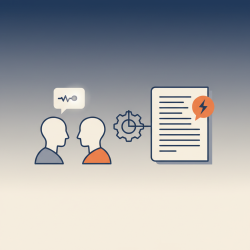
In the vast world of gaming, focus is often the key to success and enjoyment. Yet, players frequently find their attention fragmented, pulled in multiple directions by both internal and external forces. The psychology of the distracted player delves into the intricate mechanisms behind this wandering attention, exploring why it happens, its effects on the gaming experience, and potential strategies to cultivate deeper immersion. Understanding the cognitive processes at play can help both players and game designers create environments conducive to sustained engagement.
Understanding Player Distraction
Distraction in gaming is not a monolithic phenomenon. It can stem from a multitude of sources, ranging from a buzzing phone notification to an intrusive thought about daily responsibilities. These distractions can severely disrupt the flow state, a highly sought-after mental condition where a player is fully absorbed and enjoying the activity. When a player is distracted, their cognitive resources are diverted, impairing decision-making, reaction times, and overall performance.
Internal distractions are often thoughts, worries, or mental to-do lists that intrude upon the gaming experience. External distractions include environmental noises, other people in the room, or digital alerts from other applications running in the background. Both types contribute to a reduced capacity for game-related processing.
Cognitive Load and Attention Residue
Every piece of information a player processes, whether game-related or not, adds to their cognitive load. When this load becomes excessive, performance suffers. Distractions don't just briefly pull attention away; they often leave what is known as "attention residue." This means that even after a player returns their focus to the game, a portion of their cognitive capacity remains tethered to the previous distraction. This residue makes it harder to fully re-engage, leading to slower processing and a diminished sense of immersion.
For example, checking a text message during a game might only take a few seconds, but the brain continues to process the content of that message, or anticipate a reply, for several minutes afterwards. This subconscious processing drains mental energy that would otherwise be dedicated to strategizing or reacting within the game world.
Environmental and Digital Distractions
The modern gaming environment is rife with potential distractions. Consider the typical setup: a player on a PC might have multiple browser tabs open, chat applications running, and background processes consuming resources. Console players, while potentially less prone to multi-window distractions, still contend with smartphone alerts, television shows playing in the background, or household noise.
Common external distractors include:
- Smartphone notifications (texts, social media, emails)
- Background noise (conversations, television, music unrelated to the game)
- Multitasking with other digital applications
- Physical interruptions from others in the environment
Digital distractions are particularly insidious because they often appear seamlessly integrated into our daily lives, making them harder to ignore or switch off.
The Impact on Gameplay and Enjoyment
The consequences of a distracted player are multifaceted. Performance in skill-based games can plummet, leading to frustration and a sense of failure. In story-driven games, a fragmented focus can break immersion, making it difficult to follow narratives or connect with characters. The emotional investment in the game world diminishes, reducing overall enjoyment and the likelihood of returning to that specific title.
Distraction also impacts learning. Players who are constantly interrupted find it harder to absorb new game mechanics, strategies, or lore. This can create a cycle of frustration where the game feels too difficult or unengaging, when in reality, the player simply isn't giving it their full, uninterrupted attention.
Strategies for Focus and Immersion
Players can adopt several strategies to minimize distractions and enhance their focus. Creating a dedicated, distraction-free gaming space is a primary step. This might involve turning off notifications, closing unnecessary applications, and communicating boundaries to household members. Mindset also plays a crucial role.
Effective strategies include:
- Digital Detox: Temporarily disabling non-essential notifications and closing irrelevant applications.
- Environmental Control: Using headphones to block out external noise, or choosing a quiet time and place to play.
- Mindfulness and Preparation: Taking a few moments before a gaming session to clear one's mind, perhaps noting down any urgent tasks to address later.
- Scheduled Breaks: Planning short breaks can help maintain focus over longer sessions, preventing mental fatigue from becoming a source of internal distraction.
The Role of Game Design
Game developers also have a part to play in mitigating player distraction. Thoughtful UI/UX design can reduce cognitive load, making essential information clear and easily accessible without overwhelming the player. Integrating features like built-in notification management or "focus modes" could empower players to control their environment directly from within the game. Narrative design that builds strong emotional hooks and compelling gameplay loops naturally encourages deeper immersion, making players less susceptible to external pulls.
Games that provide clear goals, immediate feedback, and a sense of progression also contribute to maintaining player engagement and reducing the likelihood of their minds wandering.
Summary
The psychology of the distracted player highlights the constant battle for attention in modern gaming. It underscores how internal thoughts, external alerts, and environmental factors can fragment focus, increase cognitive load, and leave attention residue. These distractions negatively impact performance, enjoyment, and immersion. However, both players, through proactive strategies like digital detoxes and environmental control, and game designers, through thoughtful UI and engaging content, can work together to foster a more focused and deeply rewarding gaming experience. Cultivating an environment for sustained attention is key to unlocking the full potential of interactive entertainment.
Comprehension questions
 What are the two main categories of distractions that can affect a player's focus during a game?Name three common external digital distractors mentioned in the article.According to the article, how can game designers contribute to mitigating player distraction?
Review Quiz
Next Lesson

Course Contents : Narrative Design for Micro-Moments
- >> 1.
 Understanding and Overcoming Focus Challenges in Gaming