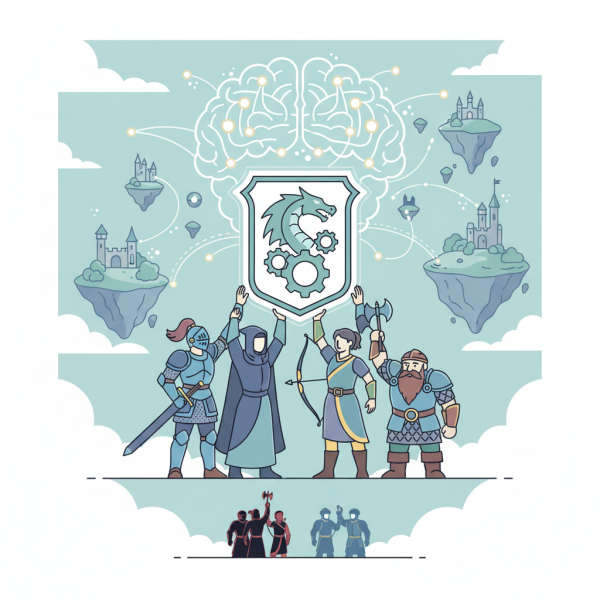
Social and Competitive Game Play Design
Course Details
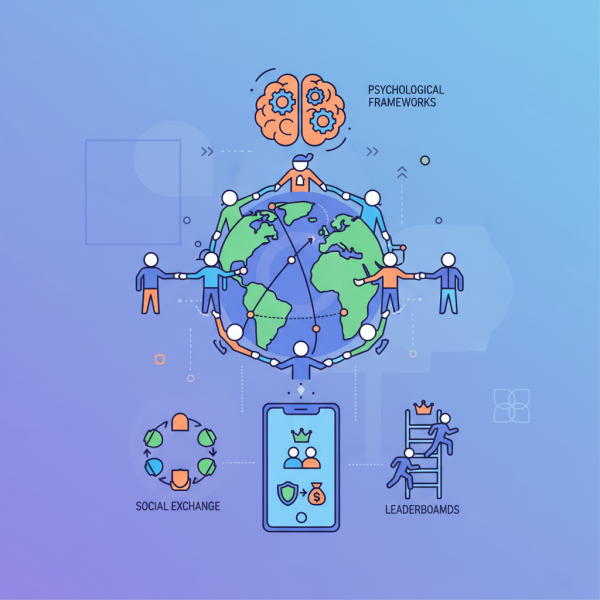
Whether you are a game designer, a product manager, or a passionate gamer looking to pull back the curtain on the industry, understanding the "why" behind player interaction is essential. In the modern mobile landscape, a game is no longer just a solo experience; it is a living, breathing digital square where competition meets community. This course offers a deep dive into the psychological and mechanical frameworks that turn a simple app into a global phenomenon.
We begin by exploring the fundamental spectrum of play, from casual social cooperation to high-stakes professional competition. You will learn how top-tier titles like Clash Royale and Genshin Impact leverage "Social Exchange Theory" to make players feel invested in their digital peers. We examine how guilds, friend systems, and shared economies act as the "social glue" that drives long-term retention, transforming a solitary user into a member of a thriving ecosystem.
Moving into the competitive arena, the course deconstructs the mechanics of rivalry. We will analyze the math behind matchmaking, the psychology of leaderboards, and the design of "flow states" that keep players coming back for one more match. By the end of this program, you will have a comprehensive toolkit for designing features that not only challenge a player's skill but also fulfill their innate need for connection and status.
Course Contents (8 lessons)
- 1.
 Social Identity Theory profoundly influences why players join gaming guilds and factions, fostering deep belonging and unwavering loyalty that extends far beyond the virtual battlefields.
 - 2.
 Exploring how low-friction, non-competitive interactions like gifting, trading, and visiting fundamentally foster human connection and establish resilient daily habits.
 - 3.
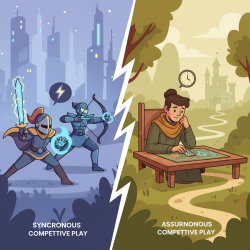 Distinguishing synchronous and asynchronous competitive play is vital for mobile game design, enabling developers to align gameplay mechanics with genre demands and enhance player engagement.
 - 4.
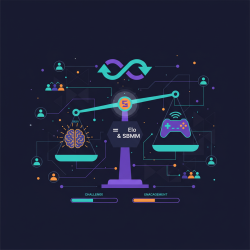 Explore the technical mechanics of Elo ratings and skill-based matchmaking (SBMM), uncovering how these systems are engineered to challenge players effectively without causing frustration in online games.
 - 5.
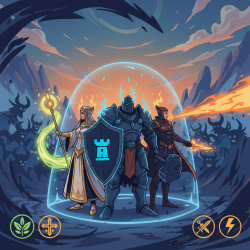 This article explores how 'Tank, Healer, Damage' archetypes cultivate interdependence, compelling players to communicate and strategize for shared in-game goals.
 - 6.
 This article explores how cosmetic items, elaborate in-game "flexing" mechanics, and highly sought-after exclusive titles serve as powerful forms of social currency, driving player motivation and shaping the competitive mobile gaming marketplace.
 - 7.
 This article explores how reporting systems, automated moderation, and positive reinforcement cultivate respectful and engaging competitive environments.
 - 8.
 Effective game design for professional esports balances deep competitive mechanics for players with clear, exciting spectating experiences for global audiences.