How Social Identity Theory Shapes Guild Loyalty
- -->> 1. How Social Identity Theory Shapes Guild Loyalty
What you'll learn
 Social Identity Theory ApplicationGuild and Faction DynamicsPlayer Belonging and LoyaltyOnline Community Building
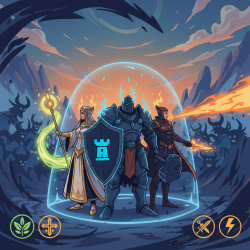
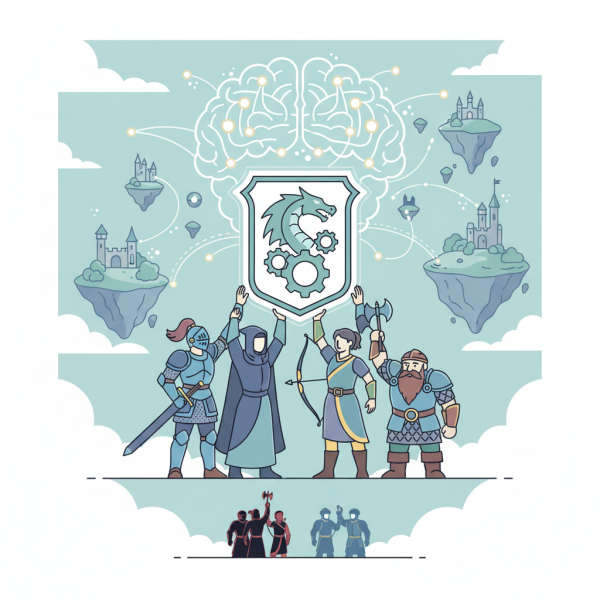
The landscape of online gaming is rich with vibrant communities, none more emblematic than the guilds, clans, and factions that players eagerly join. What drives this profound desire to align with a group, often investing significant time and emotional energy beyond the immediate gameplay objectives? The answer lies, in large part, with Social Identity Theory (SIT). This psychological framework offers a powerful lens through which to understand how players develop a deep sense of belonging and fierce loyalty to their chosen in-game groups, transforming virtual alliances into meaningful social identities that transcend the digital realm.
Understanding Social Identity Theory
Social Identity Theory, developed by Henri Tajfel and John Turner, posits that a significant portion of an individual's self-concept is derived from the social groups they belong to. At its core, SIT outlines three interconnected psychological processes: social categorization, social identification, and social comparison.
Social categorization is the mental process of classifying oneself and others into various social groups based on shared characteristics. In gaming, this is evident when players self-identify as members of a specific guild or faction. Social identification occurs when an individual adopts the identity of a group, internalizing its norms, values, and goals. This leads to a sense of "we-ness" and a psychological connection to the in-group. Finally, social comparison involves evaluating one's own group against other groups, often leading to a desire to maintain or achieve a positive distinctiveness for the in-group, which boosts the self-esteem of its members.
The Appeal of Guilds and Factions
Players are drawn to guilds and factions for a multitude of reasons, many of which are rooted in fundamental human needs for connection and purpose. These groups offer more than just mechanical advantages like shared resources or improved statistics; they provide a social structure within the often-anonymous world of online gaming. New players often seek guidance, support, and companionship, while experienced players look for opportunities to lead, collaborate on challenging content, and share their expertise.
Joining a guild offers a ready-made social network. It transforms the potentially solitary experience of a massively multiplayer online game into a collective adventure. Within these groups, players find camaraderie, mutual assistance, and a platform for shared achievements, all of which contribute to a richer and more engaging gameplay experience.
From Individual to In-Group: The Process of Identification
The journey from a solitary player to a loyal guild member is a gradual process driven by SIT. Initially, players categorize themselves as belonging to a particular guild or faction, often based on initial shared interests or values, such as a preference for player-versus-player combat or cooperative exploration. This categorization quickly leads to social identification, where the individual begins to see the guild's success as their own success, and its reputation as an extension of their personal reputation.
The "us vs. them" mentality, a natural outcome of social comparison, becomes prominent. Members of a guild will often positively differentiate their group from others, highlighting its strengths, achievements, and unique culture. This constant validation reinforces the positive image of the in-group, thereby elevating the self-esteem of each member. The shared challenges overcome, the victories celebrated, and even the defeats endured together all solidify this collective identity and emotional investment.
Fostering Belonging and Loyalty
Once identification takes root, guilds actively foster belonging and loyalty through various mechanisms. Shared experiences are paramount, whether it's conquering a formidable raid boss, defending a territory, or simply engaging in daily chatter and inside jokes. These common narratives create a history and culture unique to the group, deepening members' emotional ties.
Collective action towards a common goal is another powerful driver. When players collaborate on a challenging objective, the success becomes a shared victory, reinforcing their interdependence and the value of their collective effort. This sense of shared fate strengthens bonds and cultivates a profound sense of loyalty that extends beyond the game's mechanics, sometimes even leading players to prioritize guild commitments over personal gain or alternative gameplay options.
- Mutual Support: Members provide practical assistance (gear, advice) and emotional support (during frustrating losses or personal challenges).
- Exclusive Identity: Guild tags, unique uniforms, or private communication channels create a distinct in-group identity.
- Shared Norms and Values: Adherence to established rules, codes of conduct, and common objectives strengthens group cohesion.
- Recognition and Status: Contributions to the guild are often acknowledged, providing members with a sense of purpose and elevated status within the community.
Transcending Gameplay
Perhaps the most remarkable aspect of guild membership driven by Social Identity Theory is how these virtual bonds transcend the gameplay itself. Many players form genuine, lasting friendships with their guildmates that extend into their real lives, often sharing personal experiences, offering advice, and even meeting in person. The online guild transforms into a legitimate social support network, providing companionship and a sense of community that can combat feelings of isolation, especially for individuals who may struggle with social connections in other aspects of their lives.
The loyalty developed within a guild can be incredibly strong, leading players to stick with a game or a specific group long after their initial interest in the game's mechanics might have waned. They stay for the people, for the shared identity, and for the comfort of belonging. The group becomes an integral part of their social world, demonstrating the powerful human need for affiliation and identity.
- Real-World Friendships: Virtual interactions evolve into genuine, offline relationships.
- Emotional Support System: Guildmates offer a network for discussing personal issues or celebrating life events.
- Enhanced Well-being: A strong sense of belonging can contribute positively to mental health and overall happiness.
- Skill Development: Collaboration and leadership within guilds can hone real-world communication and teamwork skills.
Summary
In conclusion, Social Identity Theory provides a robust framework for understanding the profound magnetism of guilds and factions in online gaming. By explaining the processes of social categorization, identification, and comparison, SIT illuminates how players move from individual participants to deeply invested members of a collective. This psychological journey fosters a powerful sense of belonging, strengthens loyalty through shared experiences and collective goals, and ultimately creates communities whose bonds extend far beyond the virtual battle screen, enriching players' lives in tangible, real-world ways.
Comprehension questions
 What are the three core psychological processes identified by Social Identity Theory in the context of group membership?How do shared experiences and narratives contribute to fostering a sense of belonging and loyalty within gaming guilds?Beyond gameplay, what real-world benefits can players derive from strong social bonds forged within online guilds?
Review Quiz
Next Lesson
Course Contents : Social and Competitive Game Play Design
- >> 1.
 How Social Identity Theory Shapes Guild Loyalty