In App Purchases and Consumable Power Ups
- -->> 3. In App Purchases and Consumable Power Ups
What you'll learn
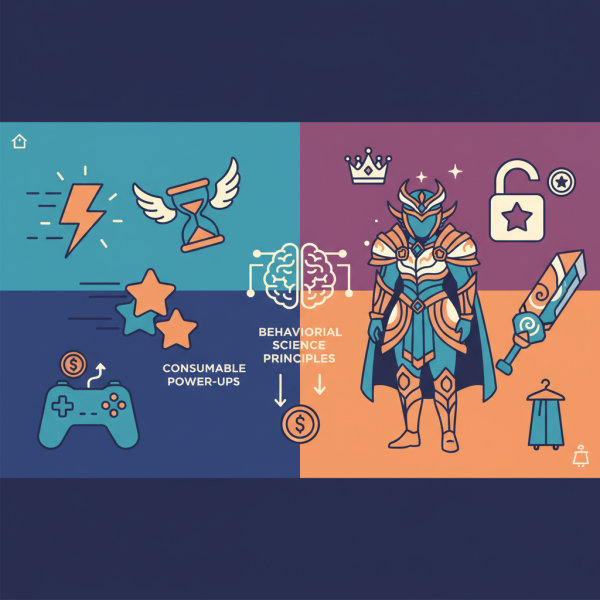
 Introduction to In-App PurchasesThe Allure of Consumable Power-UpsThe Enduring Appeal of Non-Consumable CosmeticsBehavioral Science Principles in Play
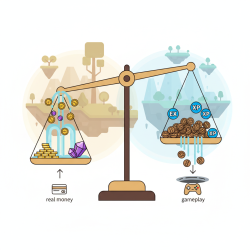
In-app purchases have become a ubiquitous feature, transforming how players engage with their favorite titles. While the act of spending money within a game might seem straightforward, the underlying motivations are deeply rooted in behavioral science. This article delves into the nuanced psychological drivers that compel players to open their wallets, specifically examining the distinction between consumable power-ups, which offer temporary advantages, and non-consumable cosmetic items, which provide lasting aesthetic changes.
The Allure of Consumable Power-Ups
Consumable power-ups are items designed to be used up, providing an immediate, albeit temporary, benefit. These can range from extra lives, experience boosts, time skips, or temporary enhancements to a character's abilities. Their appeal lies primarily in addressing immediate frustrations or accelerating progress, tapping into fundamental human desires for efficiency and success.
Psychologically, the purchase of consumables is often driven by a need for instant gratification or to overcome a perceived obstacle. Players might buy them to bypass a challenging level, save time grinding, or gain a competitive edge in a crucial moment. The fear of failure or the desire to maintain momentum are powerful motivators. This spending behavior is reinforced when the power-up delivers its promised benefit, creating a positive feedback loop that encourages future purchases.
- Instant Gratification: Quickly solves a problem or provides a boost.
- Progression Acceleration: Speeds up the journey through the game.
- Challenge Mitigation: Helps overcome difficult sections or opponents.
- Loss Aversion: The desire to avoid losing progress or failing a task.
The Enduring Appeal of Non-Consumable Cosmetics
In stark contrast to consumables, non-consumable cosmetic items offer no direct gameplay advantage. Instead, they focus entirely on aesthetics: character skins, weapon camos, emotes, unique mounts, or visual effects. These items are permanent additions to a player's inventory, designed to alter the appearance of their in-game persona or possessions.
The motivation behind purchasing cosmetics is deeply intertwined with self-expression and social identity. Players use cosmetics to personalize their experience, stand out from the crowd, and signal their status, achievements, or even their personality to others. This form of spending leverages psychological principles such as social signaling, where individuals display wealth or group affiliation, and the innate human desire for uniqueness and individuality. The permanence of these items means they provide lasting satisfaction and become a part of the player's enduring digital identity.
- Self-Expression: Personalizing avatars and gear to reflect individual style.
- Social Signaling: Displaying rare or expensive items to confer status.
- Community Identity: Belonging to a group or showcasing fandom.
- Collection & Ownership: The satisfaction of acquiring and owning unique digital assets.
Behavioral Science Principles in Play
Both consumables and cosmetics leverage various behavioral science principles to encourage spending, albeit with different emphases. Game designers masterfully employ these techniques to create compelling monetization strategies.
Scarcity and Urgency: Limited-time offers or rare items create a sense of urgency, often leading to impulse purchases. Players fear missing out on a unique opportunity for either a powerful boost or an exclusive cosmetic.
Anchoring: Presenting a high-value item first, even if it's rarely purchased, can make subsequent, lower-priced items seem more reasonable and appealing in comparison.
Framing Effects: The way an item's benefits are described significantly impacts perceived value.
Comprehension questions
 What is the primary difference between consumable power-ups and non-consumable cosmetic items in terms of their in-game function?What two main psychological desires drive players to purchase consumable power-ups?How do non-consumable cosmetic items cater to a player's need for self-expression and social identity?Name and briefly describe one behavioral science principle mentioned that encourages in-app spending.
Community Poll
Next Lesson

Course Contents : Mobile Game Monetization Strategies
- >> 3.
 In App Purchases and Consumable Power Ups