First Person Shooter (FPS) games and how they work
- -->> 4. First Person Shooter (FPS) games and how they work
What you'll learn
 Mobile FPS UniquenessDesign Challenges in Mobile FPSSuccessful Feature ImplementationsPlayer Experience Optimization
The First-Person Shooter (FPS) genre has carved out a significant niche, challenging developers to rethink core design principles for a touch-based, portable platform. For game designers and developers, understanding the unique characteristics of mobile FPS, its inherent challenges, and the successful innovations that define it is crucial for creating compelling and competitive titles.
The Unique Canvas of Mobile FPS
Mobile platforms offer a distinct environment for FPS games, shaped by accessibility, device characteristics, and player habits. The sheer number of mobile devices means an unprecedented potential audience, far surpassing traditional gaming platforms. This broad reach often translates into a more diverse player base, ranging from casual gamers seeking quick entertainment to hardcore enthusiasts looking for competitive play on the go.
Portability is another foundational element. Unlike fixed consoles or PCs, mobile devices are designed for use anywhere, anytime. This necessitates game designs that accommodate shorter, more frequent play sessions. Match lengths, progression loops, and even story pacing often need to be adapted to fit into brief bursts of engagement during commutes, breaks, or waiting times.
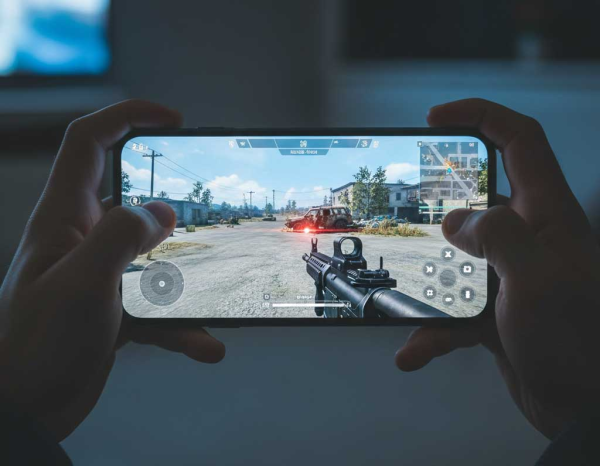
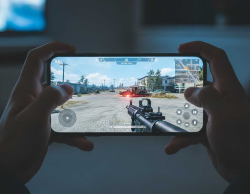
The touch interface serves as the primary input method, a fundamental departure from physical controllers or mouse-and-keyboard setups. This dictates every aspect of control scheme design, user interface (UI) layout, and player feedback. Furthermore, mobile devices are almost always connected, allowing for persistent multiplayer experiences, robust social features, and live-service models that can continuously engage players with new content and events.
Navigating the Challenges
Despite its vast potential, developing a successful mobile FPS is fraught with significant design and technical challenges that demand innovative solutions. The most prominent hurdle is control precision. Touchscreens, by their nature, lack the tactile feedback and fine motor control offered by physical buttons and analog sticks. Achieving precise aiming, fluid movement, and complex simultaneous actions (like aiming, shooting, reloading, and using an ability) can be incredibly difficult for players, leading to frustration if not handled expertly.
Screen real estate is another critical constraint. Mobile device screens are considerably smaller than typical monitors or TVs, leaving limited space for both the game world and essential UI elements. A cluttered HUD can obscure the view, break immersion, and make crucial information hard to read. Developers must carefully balance the need for vital game data with maintaining a clean, playable screen.
Hardware limitations and optimization present ongoing technical challenges. The vast ecosystem of Android and iOS devices encompasses a wide range of processing power, memory, and graphical capabilities. Games must be meticulously optimized to run smoothly across this spectrum without significant visual compromises or excessive battery drain. Network latency and stability are also constant concerns, particularly for real-time multiplayer FPS titles that rely heavily on consistent, low-latency connections, which can be inconsistent on mobile data or public Wi-Fi.
Finally, monetization strategies in the free-to-play mobile market add another layer of complexity. Balancing profitability with a fair and enjoyable player experience is a delicate act. Avoiding
Comprehension questions
 What are the primary characteristics that make the mobile FPS genre unique compared to traditional platforms?What is considered the biggest control-related challenge for FPS games on mobile, and how does it impact design?Name two examples of assisted control features that have proven successful in mobile FPS games.Why is customizable HUD considered a crucial feature for mobile FPS titles?
Review Quiz
Next Lesson
Course Contents : Exploring Different Mobile Game Genres
- >> 4.
 First Person Shooter (FPS) games and how they work