Insights into the Puzzle Game Genre
- -->> 7. Insights into the Puzzle Game Genre
What you'll learn
 Mobile Puzzle MechanicsDevelopment ChallengesSuccessful Game DesignMonetization and Retention
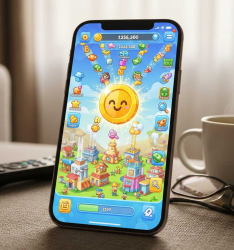
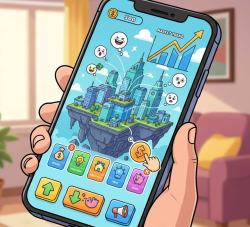
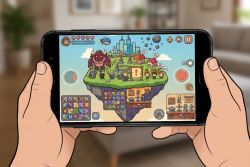
The mobile video game landscape is incredibly diverse, yet few genres hold as pervasive and enduring a presence as the puzzle genre. From casual match-3 titles to intricate logic challenges, mobile puzzle games have carved out a significant niche, captivating millions of players worldwide. For game designers and developers, understanding the intricacies of this genre is crucial, not just for creating engaging experiences, but for navigating a highly competitive market.
Mobile puzzle games are often characterized by their accessibility, allowing players to dive into short, satisfying gameplay sessions that fit seamlessly into daily routines. They leverage the tactile nature of touchscreens to create intuitive interaction, making complex mechanics feel approachable. This segment of the market thrives on cognitive engagement, offering mental stimulation that appeals to a broad demographic, from casual players seeking a quick distraction to hardcore enthusiasts craving a cerebral workout.
The Unique Appeal of Mobile Puzzle Games
What truly sets mobile puzzle games apart is their inherent ability to deliver immediate gratification alongside deeper strategic depth. Unlike genres that demand extensive time commitments or precise motor skills, puzzle games focus on problem-solving, pattern recognition, and logical deduction. This cognitive focus translates into a rewarding experience that feels productive and mentally stimulating.
Their 'pick-up-and-play' nature is paramount. Players can launch a game for a few minutes while commuting, waiting in line, or during a short break, completing a level or solving a quick brain-teaser. This flexible engagement model is perfectly suited to the mobile platform, fostering strong user retention through consistent, manageable bursts of entertainment.
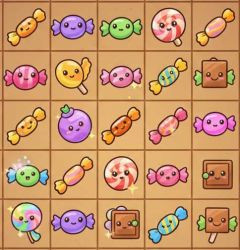
Furthermore, the genre's adaptability is remarkable. It encompasses a vast array of sub-genres, from the ubiquitous match-3 games like Candy Crush Saga, to physics-based puzzles such as Angry Birds, intricate logic challenges like The Room series, and word games like Wordscapes. Each offers a unique blend of mechanics and challenges, ensuring a broad appeal and catering to diverse player preferences.
Challenges in Mobile Puzzle Game Development
Despite their popularity, developing successful mobile puzzle games presents a unique set of challenges. The market is incredibly saturated, making discoverability and differentiation increasingly difficult. Developers must constantly innovate while retaining familiar core mechanics that resonate with players.
One of the primary hurdles is balancing difficulty. A game must be easy enough to grasp quickly but challenging enough to prevent boredom or make players feel patronized. Too steep a difficulty curve leads to frustration and abandonment, while too flat a curve results in disengagement. Striking this delicate balance requires extensive playtesting and iterative design.
Monetization is another significant concern. Many mobile puzzle games adopt a free-to-play model, relying on in-app purchases (IAPs) and advertising. Implementing these without alienating players or creating a 'pay-to-win' perception is a complex art. The goal is to offer value through optional purchases (hints, power-ups, cosmetic items, ad removal) that enhance the experience rather than gate progress.
User Interface and User Experience (UI/UX) design for touchscreens also poses specific demands. Controls must be intuitive, feedback clear, and visual elements legible on smaller screens. Lag or unresponsive controls can severely detract from the puzzle-solving experience, which often demands precision and quick thinking.
Successful Features and Design Principles
Several design principles and features consistently contribute to the success of mobile puzzle games. These elements enhance engagement, manage difficulty, and provide satisfying player progression.
- Fluid touch controls and clear visual feedback: Interactions must feel responsive and intuitive. Visual and audio cues confirming actions, progress, or failure are essential for a satisfying experience.
- Well-structured difficulty progression and tutorialization: New mechanics should be introduced gradually with clear, interactive tutorials. The difficulty should ramp up smoothly, offering a sense of accomplishment without overwhelming players.
- Optional hint systems and power-ups for player assistance: These can serve as valuable monetization points and prevent player frustration, offering a lifeline when a puzzle feels insurmountable.
- Compelling level design with varied objectives: Repetitive puzzles quickly lead to boredom. Introducing new elements, environmental mechanics, or different win conditions keeps the gameplay fresh.
- Regularly updated content and time-limited events: To maintain player interest over the long term, new levels, challenges, or themed events are crucial. This encourages players to return and provides fresh goals.
- Satisfying audio design: Sound effects and background music can greatly enhance the mood, feedback, and overall enjoyment of the game.
Monetization and Player Retention Strategies
For most mobile puzzle games, a robust monetization strategy goes hand-in-hand with effective player retention. The free-to-play model necessitates creative ways to generate revenue while keeping a large, engaged player base.
In-app purchases often include bundles of in-game currency, extra lives or moves, cosmetic customizations, or permanent upgrades like ad removal. These should primarily offer convenience or aesthetic enhancements rather than being mandatory for progression. Rewarded video ads, where players opt-in to watch an ad in exchange for a small in-game reward (e.g., a free hint, extra moves), are highly effective because they offer player choice and value.
Player retention strategies are equally vital. Daily login bonuses, streak rewards, and limited-time challenges or events incentivize players to return regularly. Social features like leaderboards, competitive modes, or the ability to share progress or send lives to friends can foster a sense of community and friendly competition. Guilds or team-based events can further deepen engagement. Providing a continuous stream of new content, whether new levels, seasonal themes, or fresh game modes, is arguably the most critical component for long-term success.
- Strategic implementation of in-app purchases for convenience or customization: Avoid 'pay-to-win' scenarios; focus on enhancing the experience.
- Rewarded video ads that offer player choice and value: Empower players to earn rewards on their terms.
- Daily rewards, streaks, and limited-time events to encourage consistent play: Build habits and provide short-term goals.
- Community features like leaderboards and gift-giving: Foster social interaction and friendly competition.
- Regular content updates and live operations (LiveOps): Keep the game fresh and provide reasons for continuous engagement.
Summary
The mobile puzzle genre stands as a testament to engaging design and clever monetization, offering accessible yet deeply rewarding experiences. Success hinges on a keen understanding of its unique appeal, the challenges of market saturation and player engagement, and the implementation of well-crafted features. By prioritizing intuitive design, balanced difficulty, thoughtful monetization, and robust retention strategies, game designers can continue to create captivating mobile puzzle experiences that resonate with a global audience.
Comprehension questions
 What core elements distinguish the mobile puzzle game genre from other mobile gaming categories?Identify and explain at least three significant challenges faced by developers in the mobile puzzle game market.Describe common features or design principles that contribute to the success of mobile puzzle games.How do mobile puzzle games typically approach monetization and player retention?
Community Poll
Next Lesson
Course Contents : Exploring Different Mobile Game Genres
- >> 7.
 Insights into the Puzzle Game Genre