The Evolution of MOBA: Designing for Mobile Battle Arenas
- -->> 1. The Evolution of MOBA: Designing for Mobile Battle Arenas
What you'll learn
 Mobile MOBA Design PrinciplesTechnical and Design ChallengesSuccessful Feature ImplementationGenre Evolution on Mobile
Introduction to Mobile MOBAs
The Massive Online Battle Arena (MOBA) genre has undergone a significant transformation with its successful migration to mobile platforms. What began as a PC-centric phenomenon of strategic team-based combat has evolved into a highly accessible and engaging experience tailored for touchscreens and on-the-go play. For video game designers and developers, understanding the intricacies of this mobile adaptation is crucial for innovating within one of the most competitive and lucrative sectors of the mobile gaming market.
Defining the Mobile MOBA Experience
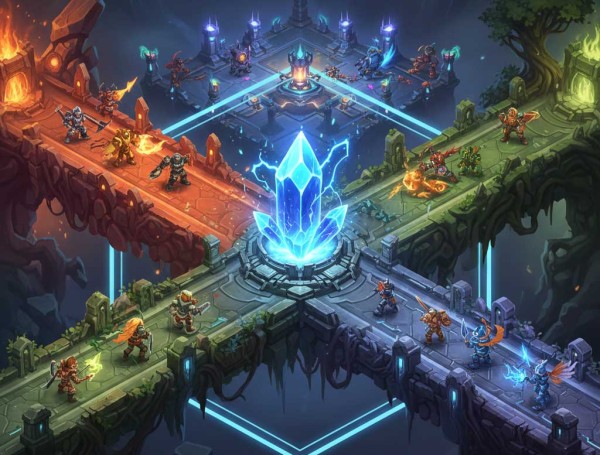
At its core, a Mobile MOBA retains the fundamental tenets of its PC predecessor: two teams of players, each controlling a unique "hero" character with distinct abilities, battle on a symmetrical map with the objective of destroying the enemy's main structure (often referred to as the "Nexus" or "Ancient") while defending their own. This involves strategic lane pushing, jungling, securing objectives, and engaging in team fights. The mobile iteration, however, distills these complex mechanics into a format optimized for smaller screens and touch input, emphasizing quick reflexes, simplified control schemes, and often, shorter match durations.
Unlike traditional console or PC games, mobile MOBAs thrive on convenience and immediate gratification. Players can jump into a match during a commute, a lunch break, or any brief window of downtime. This inherent accessibility has dramatically expanded the genre's reach, bringing competitive team-based strategy to millions who may not have access to a gaming PC.
Unique Characteristics of Mobile MOBAs
The transition to mobile has imbued the MOBA genre with several distinct traits that set it apart:
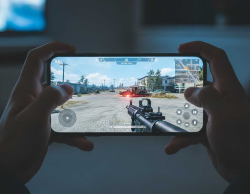
- Streamlined Controls: The most apparent difference is the reliance on touch controls, replacing keyboard and mouse input. This often manifests as virtual joysticks for movement and dedicated buttons for abilities, item activation, and auto-attacks, often with smart targeting features.
- Optimized Match Length: Mobile MOBAs frequently feature shorter match times, typically ranging from 10 to 20 minutes, compared to the 30-60 minute games common on PC. This caters to the mobile user's tendency for shorter play sessions.
- Accessibility and Learning Curve: While retaining strategic depth, many mobile MOBAs simplify some aspects of the genre, such as item builds, jungle mechanics, or even hero ability kits, to lower the barrier to entry for new players.
- Visual and Performance Scaling: Developers must design games that are visually appealing across a wide spectrum of mobile hardware, from high-end flagship phones to more budget-friendly devices, without compromising core gameplay.
- Monetization Models: Free-to-play with in-app purchases for cosmetics, battle passes, and new heroes is the dominant monetization strategy, carefully balanced to avoid a "pay-to-win" perception.
Challenges in Mobile MOBA Development
Despite their popularity, developing successful mobile MOBAs comes with a unique set of hurdles:
- Control Scheme Design: Crafting intuitive and responsive touch controls that allow for precision and complex maneuvers without cluttering the screen or requiring excessive finger gymnastics is a constant design challenge.
- Performance Optimization: Ensuring smooth framerates and minimal latency across thousands of different device specifications, while dealing with varying network conditions, is a monumental technical task. Battery efficiency is also a critical consideration.
- UI/UX for Small Screens: Presenting critical information (map, health bars, cooldowns, chat, item shop) clearly and accessibly on a small screen without overwhelming the player or obscuring the action requires sophisticated UI/UX design.
- Balancing Complexity and Simplicity: The core appeal of MOBAs lies in their strategic depth. Striking the right balance between simplifying mechanics for mobile accessibility and retaining enough complexity to satisfy veteran players and foster competitive play is a delicate act.
- Monetization Ethics: Implementing a free-to-play model without alienating players through aggressive monetization or creating a perceived pay-to-win environment is crucial for long-term player retention and community health.
- Community Management and Anti-Cheat: Fostering a healthy competitive environment, combating toxicity, and developing robust anti-cheat measures are ongoing challenges to maintain fair play and player satisfaction.
Features That Drive Success in Mobile MOBAs
Several features have proven highly effective in distinguishing top-tier mobile MOBAs:
Intuitive and Adaptable Controls: Games like Mobile Legends: Bang Bang and Arena of Valor excel with highly customizable virtual joysticks and ability buttons, often incorporating smart auto-targeting that can be toggled or fine-tuned. Features like one-tap objective targeting or simplified item activation streamline gameplay without removing player agency.
Efficient and Responsive UI/UX: A clean, uncluttered interface that provides immediate visual feedback is paramount. Examples include clearly visible health and mana bars, distinctive ability icons with visible cooldowns, and a mini-map that is easy to glance at without losing focus on the action. Contextual UI elements, appearing only when relevant, also greatly enhance the user experience.
Diverse Hero Rosters and Progression: A continuously expanding roster of unique heroes, each with distinct playstyles and counter-plays, keeps the meta fresh and engaging. Coupled with robust progression systems (e.g., ranked ladders, battle passes, cosmetic skins, hero mastery systems), this provides long-term goals and reasons for players to invest their time.
Social Integration and Community Tools: Built-in voice chat, guild systems, friend lists, and easy party formation tools are vital for team-based games. Events, tournaments, and robust reporting systems further enhance community engagement and governance.
Performance Scaling and Optimization: Offering adjustable graphics settings (frame rate, resolution, texture quality) allows players on various devices to find a balance between visual fidelity and performance. Excellent server infrastructure for low latency and consistent connectivity is non-negotiable for a competitive online game.
Strategic Depth within Simplified Frameworks: While simpler than their PC counterparts, the best mobile MOBAs still offer deep strategic play through hero synergies, objective control, vision control, and tactical team fight execution. The simplification often lies in the execution (controls, item builds) rather than the underlying strategic principles.
Conclusion
The mobile MOBA genre represents a fascinating evolution of competitive gaming, expertly blending strategic depth with mobile accessibility. For game designers and developers, navigating its unique challenges—from control scheme innovation and performance optimization to ethical monetization and community building—is key to crafting enduring and successful titles. By focusing on intuitive design, robust technical execution, and player-centric features, the next generation of mobile MOBAs can continue to push the boundaries of what's possible on handheld devices.
Comprehension questions
 What are two key differences in player experience between a PC MOBA and a Mobile MOBA, according to the article?Name at least three significant challenges faced by developers when creating a Mobile MOBA.How do successful Mobile MOBAs address the challenge of complex control schemes on touchscreens?Why is balancing complexity and simplicity a crucial design consideration for mobile MOBA developers?
Community Poll
Next Lesson

Course Contents : Exploring Different Mobile Game Genres
- >> 1.
 The Evolution of MOBA: Designing for Mobile Battle Arenas