The Early Design Phase in Game Development
- -->> 1. The Early Design Phase in Game Development
What you'll learn
 What is the Early Design PhasePurpose and Focus of Early DesignsWhat to Avoid in Early Design PhasesCommon Challenges
In the journey of creating a video game, the Early Design Phase is the most critical and foundational stage. This period, which occurs long before any serious coding or asset creation begins, is where the game's core concept is born and solidified. It's not just about brainstorming ideas; it's about defining the game's purpose, its audience, its mechanics, and its overall feel. A well-executed design phase is the blueprint that ensures a cohesive, focused, and ultimately fun experience. Neglecting this stage, on the other hand, can lead to a messy development cycle, a confused player experience, and ultimately, a failed game.
The Purpose and Focus
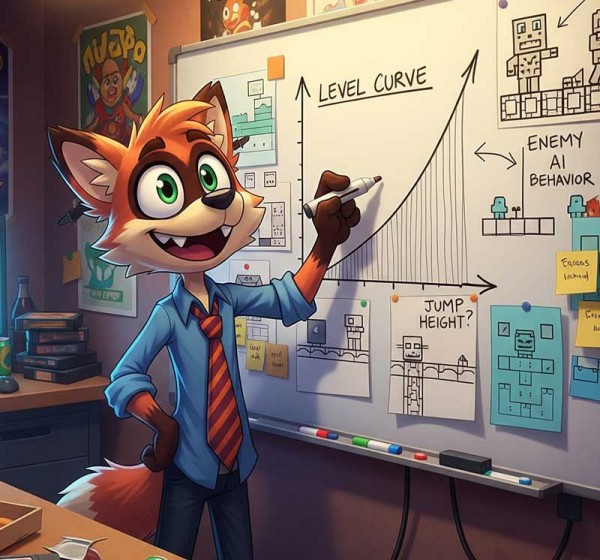
The primary purpose of the Early Design Phase is to answer the fundamental question: "What is the game?" This seemingly simple question requires a deep dive into the game's identity. The focus is on concepts, not code. Key tasks include:
-
Ideation and Brainstorming: Generating a wide range of ideas for the game's genre, themes, and core gameplay loops. This is where you explore creative possibilities without judgment.
-
Concept Validation: Testing the initial ideas to see if they resonate with a potential audience. This can be done through surveys, marketing concept tests, or simple one-on-one conversations.
-
Core Loop Definition: Identifying the central, repeatable action that makes the game fun. In Tetris, it's clearing lines. In Minecraft, it's building and exploring. A clear core loop is the heartbeat of your game.
-
Target Audience Identification: Pinpointing who the game is for. Is it for casual players? Hardcore fans of a specific genre? Identifying the audience informs every design decision, from art style to monetization.
What to Avoid During Early Design
Just as important as what you do is what you don't do during this phase. The Early Design Phase is not the time for:
-
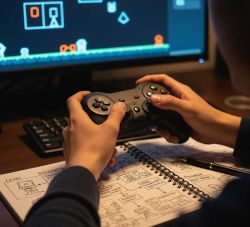
Extensive Coding: Resist the urge to start building out complex systems. Early prototypes should be low-fidelity, focusing on proving a concept rather than creating a finished product. This is where "paper apps" and simple digital mockups are invaluable.
-
Creating High-Fidelity Art Assets: Don't commission expensive 3D models, intricate character art, or detailed environments. These assets are time-consuming and costly to change if the design shifts. Stick to simple placeholder art.
-
Polishing the User Interface (UI): While you should have a plan for the UI, don't spend time making it look perfect. A basic wireframe or a hand-drawn sketch is more than enough to test functionality and flow.
Focusing on these tasks too early leads to wasted time and makes it difficult to pivot when a design idea proves to be a dead end.
Common Challenges of Early Design
Even with a clear plan, the Early Design Phase has its own set of challenges. One of the most common is "scope creep," where new ideas are added without discipline, making the game's vision increasingly bloated and unfocused. Another pitfall is "analysis paralysis," where the team spends too much time debating and too little time making decisions and moving forward.
A lack of proper design can also lead to:
-
Confused Game Identity: The game doesn't know what it wants to be. It might try to be a puzzle game, a platformer, and an RPG all at once, resulting in a fractured and unsatisfying experience for the player.
-
Fractured Development: Without a clear design document, programmers, artists, and sound designers all work on different ideas, leading to assets that don't fit together and a disorganized workflow.
-
Unfun Core Loop: The team might build the entire game only to discover the central gameplay isn't enjoyable. This can be a project-ending problem that could have been identified with a simple prototype.
A game that rushes past the design phase is like a house built on sand. It might look good on the surface, but its foundation is unstable and will eventually collapse.
Conclusion
The Early Design Phase is the most crucial time in a game's life cycle. It is the period where a game's core identity, mechanics, and audience are defined through a process of focused ideation and validation. By prioritizing tasks like core loop definition and audience identification and avoiding costly activities like extensive coding and art creation, developers can build a strong foundation. Neglecting this phase often leads to common pitfalls like scope creep and a fractured development process, which can ultimately lead to a game's failure. A well-designed game is a cohesive and enjoyable experience, and that journey begins with a serious commitment to the Early Design Phase.
Comprehension questions
 What is the primary purpose of the Early Design Phase in game development?Besides ideation, what are two key tasks that should be pursued during the early design phase?Name two things that should be avoided during the early design phase and explain why.According to the article, what is "analysis paralysis" and how does it relate to this phase?How can neglecting the early design phase lead to a "fractured development" process?
Review Quiz
Next Lesson

Related Content

The Value of a "Paper App" in Game Design
Before a single line of code is written or a single pixel is rendered, a great video game begins with an idea...

Course Contents : Laying the Groundwork: The Game Design Phase
- >> 1.
 The Early Design Phase in Game Development