An Introduction to Mobile Game Testing
- -->> 1. An Introduction to Mobile Game Testing
What you'll learn
 Importance of Mobile Game TestingUnique Challenges in Mobile Game DevelopmentKey Aspects of Mobile Game TestingEffective Testing Strategies
Mobile game development has exploded, transforming the gaming landscape and bringing interactive entertainment to billions of pockets worldwide. With this rapid growth comes an equally critical need for robust testing. Introduction to mobile game testing is not merely an afterthought but a fundamental pillar supporting the success of any mobile game. It is the rigorous process of evaluating a mobile game's functionality, performance, compatibility, and usability across a diverse range of devices and operating systems. Without thorough testing, even the most innovative game can stumble, leading to poor user experiences, negative reviews, and ultimately, failure in a highly competitive market. Understanding its importance and navigating its unique challenges are paramount for developers aiming to deliver high-quality, engaging mobile experiences.
Why Mobile Game Testing is Crucial
The stakes in mobile gaming are incredibly high. A poorly tested game can suffer immediate and long-term consequences. Thorough testing helps ensure a polished product that meets user expectations and stands out.
User Experience and Retention
First impressions are vital. Bugs, crashes, or performance issues encountered early on can lead to players abandoning a game almost immediately. Smooth gameplay, intuitive controls, and stable performance are directly linked to positive user experience and, consequently, higher player retention rates. Testing ensures that the game provides an enjoyable and frustration-free experience from start to finish.
Monetization and Reputation
Many mobile games rely on in-app purchases, advertisements, or subscriptions for revenue. If these monetization features are buggy or do not function as intended, it directly impacts profitability. Furthermore, a game riddled with issues quickly earns a negative reputation, damaging future downloads and the developer's brand. Quality assurance protects revenue streams and builds a strong, trustworthy reputation within the gaming community.
Bug Prevention and Cost Savings
Identifying and fixing bugs earlier in the development cycle is significantly cheaper and less disruptive than addressing them post-launch. Post-release patches can be costly, time-consuming, and can alienate existing players. Proactive testing reduces the overall cost of development and maintenance by catching issues before they escalate.
Unique Challenges of Mobile Game Testing
Mobile game testing presents a distinct set of hurdles that differentiate it from testing traditional desktop or console games. These challenges require specialized approaches and a deep understanding of the mobile ecosystem.
Device Fragmentation
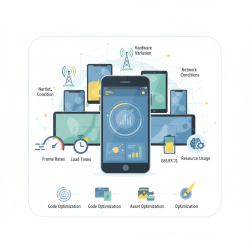
Perhaps the most significant challenge is the sheer variety of mobile devices available.
- Operating Systems: Android and iOS, with multiple versions of each.
- Hardware: Different processors, GPUs, RAM configurations across countless manufacturers.
- Screen Sizes and Resolutions: From small phone screens to large tablets, requiring adaptive UI testing.
- Aspect Ratios: Different screen shapes can distort UI elements or gameplay.
Ensuring a consistent experience across this vast array is a monumental task.
Connectivity Variations
Mobile games are often played on the go, subjecting them to unstable network conditions. Testing must account for:
- Network Types: Wi-Fi, 2G, 3G, 4G, 5G – each with different speeds and latencies.
- Intermittent Connections: What happens when connectivity drops or is very weak? Does the game crash, or does it recover gracefully?
- Roaming: Testing for data costs and performance when users are in different regions.
Robust network testing is crucial for online multiplayer games or games with cloud-saved progress.
Input Methods and User Interaction
Unlike traditional games with standardized controllers, mobile games rely on diverse input methods:
- Touchscreens: Multi-touch gestures, taps, swipes, pinches.
- Accelerometers and Gyroscopes: For motion-controlled gameplay.
- Haptic Feedback: Vibrations and tactile responses.
- Virtual Keyboards: Interaction with text input fields.
Each requires meticulous testing to ensure responsiveness and accuracy.
Performance and Battery Life
Mobile devices have finite resources. Games must be optimized to run smoothly without excessively draining battery life or causing devices to overheat. Performance testing involves:
- Frame Rate Stability: Maintaining a consistent frames per second (FPS).
- Memory Usage: Preventing crashes due to excessive RAM consumption.
- CPU/GPU Load: Ensuring efficient resource utilization.
- Battery Drain: Monitoring how quickly the game depletes the device's power.
- Thermal Throttling: Checking performance degradation when devices get hot.
Platform Specifics and Store Requirements
iOS and Android have distinct development guidelines, UI conventions, and app store submission requirements. Testing must verify compliance with these platform-specific rules, including aspects like push notifications, permissions, and integration with platform services.
Monetization Feature Validation
In-app purchases, ad integrations, and subscription models must be rigorously tested across different geographical regions, payment methods, and network conditions to ensure transactions are processed correctly and ads display without disrupting gameplay.
Continuous Updates and Live Service Model
Many mobile games operate as live services, receiving frequent updates, new content, and bug fixes. Each update requires extensive regression testing to ensure new features haven't introduced unforeseen bugs and existing functionality remains intact.
Strategies for Effective Mobile Game Testing
To overcome these challenges, a multifaceted approach to testing is essential.
- Early Integration of QA: Involve testers from the very beginning of the development cycle to catch issues proactively.
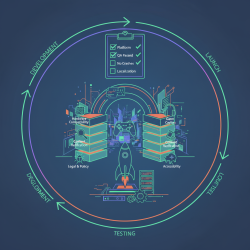
- Test Plan and Strategy: Develop comprehensive test plans that cover all aspects of the game, including functional, performance, compatibility, and usability testing.
- Real Device Testing: While emulators are useful, testing on a wide range of actual physical devices is indispensable for capturing real-world issues.
- Cloud-Based Device Labs: Utilize services that provide access to a multitude of real devices in the cloud for parallel testing.
- Automated Testing: Automate repetitive tests, especially for regression testing, to improve efficiency and coverage.
- Crowdtesting/Beta Programs: Leverage external testers to gain diverse feedback and uncover edge cases missed by internal teams.
- Continuous Integration/Continuous Delivery (CI/CD): Integrate testing into automated build pipelines to ensure consistent quality with every code change.
Summary
In conclusion, mobile game testing is a non-negotiable component of successful mobile game development. It is crucial for delivering an engaging user experience, safeguarding monetization, and preserving the developer's reputation. While faced with unique challenges such as vast device fragmentation, unpredictable network conditions, and diverse input methods, these obstacles can be effectively managed through strategic planning, early QA involvement, comprehensive real device testing, and leveraging automation. Prioritizing quality assurance ensures that mobile games not only launch successfully but continue to thrive and delight players in an ever-evolving digital landscape.
Comprehension questions
 Why is mobile game testing considered crucial for user retention and monetization?What is device fragmentation, and how does it impact mobile game testing?Name three unique challenges inherent to mobile game testing beyond traditional software testing.What are some key strategies developers can employ to achieve effective mobile game testing?
Community Poll
Next Lesson

Course Contents : Mobile Game Testing Strategies
- >> 1.
 An Introduction to Mobile Game Testing