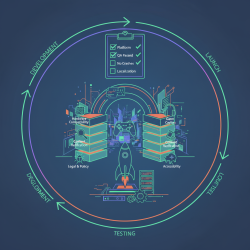
The Art of Post-Release Game Monitoring and Timely Updates
- -->> 11. The Art of Post-Release Game Monitoring and Timely Updates
What you'll learn
 Live OperationsCrash ReportingData-Driven UpdatesPlayer Engagement
The journey of a game developer doesn't end when the product is launched. In fact, for many, that's just the beginning of a crucial phase: post-release monitoring and updates. In today's dynamic and competitive gaming landscape, understanding the importance of live operations, establishing robust crash reporting mechanisms, and implementing timely updates based on player data are not merely good practices—they are foundational pillars for a game's long-term success, player retention, and overall longevity. Neglecting these aspects can quickly lead to player dissatisfaction, declining engagement, and ultimately, the premature obsolescence of an otherwise promising title.
The Imperative of Live Operations
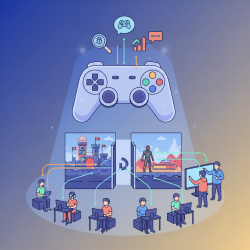
Live operations, often referred to as "live ops," encompass all the activities undertaken to keep a game running smoothly, engaging players, and evolving after its initial release. This goes beyond simple bug fixes; it involves a continuous strategic effort to maintain a vibrant game ecosystem. Modern games, especially service-based or multiplayer titles, thrive on a perpetual cycle of content delivery and community interaction.
Crucially, live operations are about sustaining momentum and relevance. They involve:
- Community Management: Engaging with players, collecting feedback, and fostering a positive environment through forums, social media, and in-game communication.
- Event Planning and Execution: Introducing seasonal events, limited-time challenges, and new game modes to keep the experience fresh and encourage recurring play.
- Monetization Management: Thoughtfully integrating and managing in-game purchases, battle passes, and subscriptions in a way that feels fair and enhances the player experience.
- Server Maintenance and Infrastructure: Ensuring the game's backend systems are stable, scalable, and secure, minimizing downtime and optimizing performance.
Without effective live operations, even the most innovative game can quickly lose its appeal as players seek out titles that offer continuous novelty and support.
Unveiling Issues: The Role of Crash Reporting
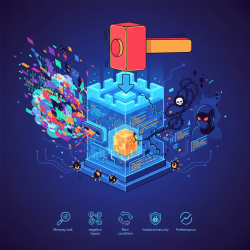
While live operations focus on enhancing the experience, crash reporting is about preserving it. No software is ever truly bug-free, and games, with their complex interactions and diverse hardware environments, are particularly susceptible to unexpected issues. A robust crash reporting system is an invaluable diagnostic tool, offering developers immediate insight into critical problems affecting players.
Upon a crash, these systems automatically collect vital information, such as:
- Stack Traces: Detailing the sequence of function calls leading up to the crash, pinpointing the exact code location.
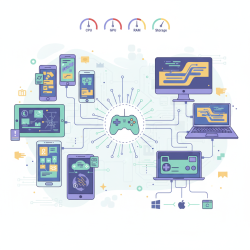
- System Information: Data about the player's operating system, hardware specifications, and installed drivers, which can help replicate issues.
- Game State Data: Relevant variables and conditions within the game just before the crash occurred.
Immediate detection and analysis of crashes are paramount. Frequent crashes not only disrupt gameplay but severely erode player trust and satisfaction. Players are less likely to return to a game that constantly kicks them out or corrupts their progress. Proactive crash reporting allows developers to prioritize and address the most impactful bugs swiftly, often before a widespread community outcry, transforming a potential crisis into a manageable technical challenge.
Data-Driven Evolution: Implementing Timely Updates
The true power of post-release monitoring comes from using collected data to drive meaningful change. Player data, gathered through various telemetry systems, in-game analytics, and direct feedback channels, provides an objective roadmap for future development. This data informs not just what bugs to fix, but what features to enhance, what content to add, and how to balance gameplay elements.
Telemetry data can reveal player behavior patterns, such as:
- Which game modes are most popular or least played.
- Where players get stuck or experience frustration.
- The effectiveness of specific game mechanics or items.
- Player progression rates and churn points.
Based on these insights, developers can implement various types of updates:
- Bug Fixes and Performance Patches: Addressing crashes, glitches, and optimization issues to improve stability and fluidity.
- Content Updates: Introducing new levels, characters, weapons, story chapters, or cosmetic items to expand the game world and provide fresh experiences.
- Balancing Adjustments: Tweaking game mechanics, character abilities, or item stats to ensure fair play and competitive integrity.
- Quality-of-Life Improvements: Enhancing user interfaces, streamlining workflows, or adding accessibility options based on player feedback.
Timely deployment of these updates is critical. Acknowledging player concerns and delivering solutions demonstrates responsiveness and a commitment to the game's community, fostering a sense of shared ownership and loyalty.
Cultivating Player Trust and Longevity
The combined effort of robust live operations, diligent crash reporting, and strategic data-driven updates culminates in the cultivation of player trust and game longevity. When players see a game actively supported, improved, and evolved, they are more likely to invest their time, and often money, into it. This continuous engagement transforms a one-time purchase into a long-term relationship.
Transparency in communication about issues and upcoming changes further strengthens this bond. Players appreciate knowing that their feedback is heard and that developers are working to improve their experience. This loyalty translates directly into higher retention rates, positive word-of-mouth, and a more resilient player base capable of weathering minor issues.
Challenges and Best Practices
Implementing a comprehensive post-release strategy is not without its challenges. Resource allocation can be tight, especially for smaller studios. Rapid deployment of updates requires efficient development pipelines and rigorous testing to avoid introducing new bugs. Balancing community desires with creative vision and business objectives is an ongoing tightrope walk.
Best practices include:
- Dedicated Teams: Assigning specific teams or individuals to live ops, community management, and QA for post-release.
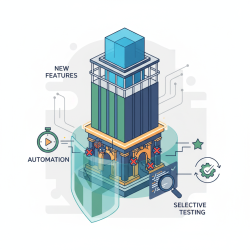
- Iterative Development: Adopting an agile approach where small, frequent updates are preferred over massive, infrequent ones.
- Public Test Realms (PTRs): Allowing a segment of the player base to test updates before wider release to catch issues.
- Clear Communication Channels: Establishing accessible avenues for players to report bugs and provide feedback, and actively responding to them.
- Prioritization Matrix: Developing a clear system for prioritizing bug fixes and feature requests based on severity, impact, and development cost.
Conclusion
Post-release monitoring and updates are no longer optional extras but fundamental components of modern game development. Embracing live operations, utilizing comprehensive crash reporting, and strategically implementing timely, data-driven updates are essential for maintaining a stable, engaging, and evolving game. By prioritizing these aspects, developers not only address immediate challenges but also build lasting relationships with their player base, ensuring the sustained success and longevity of their creations in an ever-competitive industry.
Comprehension questions
 What are live operations and why are they considered imperative for modern games?How does effective crash reporting contribute to a game's long-term success and player satisfaction?Explain how player data guides the implementation of timely game updates.What are some key challenges developers face in post-release monitoring and updating, and how can they be addressed?
Community Poll
Next Lesson

Course Contents : Mobile Game Testing Strategies
- >> 11.
 The Art of Post-Release Game Monitoring and Timely Updates