Final Launch Checklist: Release Testing and Store Submission
- -->> 10. Final Launch Checklist: Release Testing and Store Submission
What you'll learn
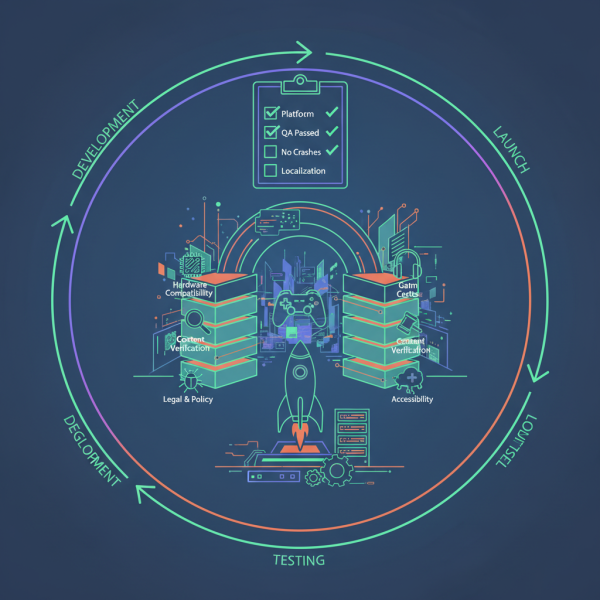
 Technical ComplianceContent VerificationLegal and Policy AdherencePerformance and Stability
The journey of developing a video game is long and arduous, filled with creative sparks, technical hurdles, and countless hours of dedicated work. Yet, the final stretch, often referred to as release testing, is arguably the most critical phase before a game lands in the hands of its eager audience. This stage is not merely about finding bugs; it encompasses a comprehensive checklist of certifications, compliance checks, and quality assurance procedures designed to ensure the game is not only playable but also meets the stringent requirements of various app stores and platforms. Mastering this final launch checklist is paramount to a successful submission and, ultimately, a thriving game launch.
Ignoring or rushing through release testing can lead to disastrous consequences, from immediate rejection by platform holders to a poor user experience, negative reviews, and a significant hit to reputation. A meticulous approach ensures the game functions flawlessly, adheres to all legal and technical specifications, and delivers the intended experience. This article will delve into the essential final checks and certifications that developers must conquer before their creation is unleashed upon the world.
I. Understanding the Criticality of Release Testing
Release testing is the ultimate validation of a game's readiness. It represents the last opportunity to identify and rectify any issues that could impede its launch or reception. This phase goes beyond typical QA, focusing on the external factors and platform requirements that dictate market entry. It's about confidence: confidence in your product, confidence in its stability, and confidence in its compliance.
The stakes are incredibly high during this period. A game that fails to meet technical standards or contains critical bugs can be outright rejected, delaying its release and potentially costing significant financial resources. Furthermore, a game launched with glaring issues can quickly accumulate negative reviews, which are notoriously difficult to overcome and can severely impact long-term sales and player engagement.
II. Pre-Submission Technical Compliance
Every platform, be it Steam, PlayStation, Xbox, Nintendo, Apple App Store, or Google Play, has a distinct set of technical requirements that a game must satisfy. These are non-negotiable and cover a wide array of specifications. Failing to meet even one of these can result in immediate submission rejection.
- Hardware Compatibility: Ensuring the game runs smoothly across the target range of devices and hardware specifications, including minimum and recommended specs. This includes various processor types, graphics cards, and memory configurations.
- Resolution and Aspect Ratio Support: Verifying that the game correctly scales and displays across different screen resolutions and aspect ratios without visual glitches or UI cut-offs.
- Performance Benchmarking: Achieving stable frame rates, acceptable load times, and efficient memory usage on all target devices. Games should meet predefined performance metrics to ensure a consistent experience.
- Input Device Support: Comprehensive testing for all supported input methods, such as touchscreens, gamepads, keyboards, and mice, ensuring proper functionality and responsiveness.
- Network Stability (for online games): Stress testing multiplayer components, connection robustness, server capacity, and data transfer efficiency under various network conditions.
III. Content and Feature Verification
Beyond technical compliance, the game's actual content and features must undergo a final, thorough review to guarantee completeness and quality. This means checking every single element from start to finish.
- Full Gameplay Walkthrough: Playing through the entire game, including all levels, modes, and unlockables, to confirm all game logic, progression, and mechanics are flawless.
- Art and Audio Assets: Verifying that all visual assets (textures, models, animations) and audio assets (sound effects, music, voiceovers) are correctly implemented, high quality, and free of corruption.
- User Interface and Experience (UI/UX): Ensuring the UI is intuitive, responsive, and aesthetically pleasing. All menus, prompts, and HUD elements must function as intended.
- Localization and Regional Content: Checking all translated text and localized assets for accuracy, cultural appropriateness, and correct display across all supported languages.
- In-App Purchases (IAPs) and Monetization: Thoroughly testing all IAP flows, virtual currency systems, and monetization features to ensure they are functional, secure, and comply with platform guidelines.
IV. Legal and Policy Adherence
The legal landscape surrounding game publishing is complex. Developers must ensure their game complies with various laws and platform-specific policies to avoid legal issues and submission rejections.
This includes reviewing End User License Agreements (EULAs), privacy policies, and terms of service. Age ratings from organizations like ESRB, PEGI, or CERO must be accurately applied and reflect the game's content. Any intellectual property used must be properly licensed or original.
V. User Experience and Accessibility Checks
A great game is one that many people can enjoy. Final checks should include considerations for a broad audience, focusing on accessibility and overall user experience quality.
Accessibility features, such as colorblind modes, adjustable text sizes, remappable controls, and subtitle options, should be tested for functionality and effectiveness. The overall user experience should be smooth, intuitive, and free from frustrating elements that could detract from enjoyment.
VI. Performance and Stability Benchmarking
Even if a game runs, it needs to run well. Performance and stability benchmarking involve rigorous testing to ensure the game remains robust under various conditions. This includes stress testing for extended play sessions to identify memory leaks, crashes, or performance degradation over time.
Error handling for unexpected scenarios, such as network disconnections, power loss, or external device removal, should also be tested. The goal is to minimize the likelihood of crashes, freezes, or other game-breaking issues that severely impact player retention and satisfaction.
VII. Final Build Certification and Archiving
Once all checks are complete and issues resolved, the final build is prepared for submission. This typically involves a formal certification process where the game is reviewed by the platform holder against their comprehensive checklist. Passing this certification is the green light for launch.
Before submission, it is crucial to create a definitive, version-controlled archive of the certified build and all associated assets, documentation, and source code. This ensures that the exact version submitted can be reproduced and referenced for future updates or troubleshooting.
Summary
Release testing is far more than just a final bug hunt; it is a critical, multi-faceted process that acts as the final gatekeeper before a game can be launched to a global audience. It encompasses rigorous technical compliance checks, comprehensive content and feature verification, strict adherence to legal and policy guidelines, and careful consideration of user experience and accessibility. By meticulously addressing each item on the final launch checklist, developers not only secure a smooth submission and certification process but also lay the groundwork for a successful launch, fostering positive player reception and long-term engagement in a highly competitive market. A well-tested game is a testament to quality, professionalism, and respect for the player experience, ensuring the creative vision truly shines.
Comprehension questions
 What are the potential negative consequences of rushing or ignoring the release testing phase for a game?Name three categories of technical compliance requirements that a game must meet before submission to app stores.Why is testing for in-app purchases and monetization features considered a critical part of content and feature verification?What is the importance of archiving the final certified build before submission, and what should be included in this archive?
Review Quiz
Next Lesson

Course Contents : Mobile Game Testing Strategies
- >> 10.
 Final Launch Checklist: Release Testing and Store Submission