Concept and Pre-Production Phases
- -->> 1. Concept and Pre-Production Phases
What you'll learn
 Core Game Idea DefinitionTarget Audience IdentificationGame Design DocumentationIterative Development Process
The Foundation of Fun
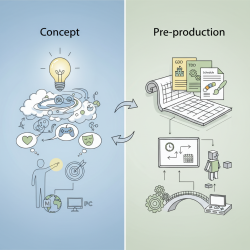
Before a single line of code is written or a single asset is modeled, the journey of creating a video game embarks on two critical phases: concept and pre-production. These stages are not merely administrative hurdles; they are the bedrock upon which the entire project's success is built. It is during this crucial period that the nebulous idea in a developer's mind begins to solidify, transforming into a tangible vision. Defining the core game idea, understanding the target audience, and meticulously crafting initial design documents are paramount to navigating the complexities of game development effectively, mitigating risks, and ultimately delivering an engaging experience.
The Concept Phase: Forging the Core Idea
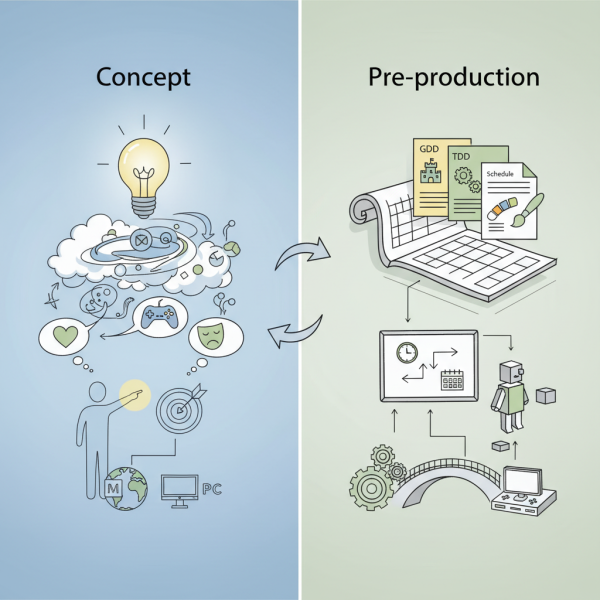
The concept phase is where the heart of the game truly takes shape. It's about distilling a broad idea into a clear, concise, and compelling vision. This involves brainstorming sessions that explore various genres, mechanics, and narrative possibilities. The goal is to identify what makes this game unique and why players would want to engage with it. What is the elevator pitch? What emotional experience will it deliver? Answering these questions early on provides a compass for all subsequent decisions.
This stage emphasizes creative freedom but also begins the process of practical feasibility. It's about finding that delicate balance between innovative ideas and what can realistically be achieved within given resources and timelines. A strong core concept is the anchor that prevents feature creep and ensures development stays focused.
Identifying Your Audience: Who Are You Playing For?
Knowing your target audience is as important as having a great game idea. Different player demographics have varying expectations, preferences, and playstyles. A game designed for casual mobile players will have vastly different mechanics, monetization strategies, and art styles than one aimed at hardcore PC gamers. Identifying your audience early directly influences design choices, marketing strategies, and even the platforms you choose to develop for.
- Demographics: Age, gender, location, income.
- Psychographics: Interests, values, lifestyles, gaming habits.
- Platform Preference: Mobile, PC, console, VR.
- Motivations: What drives them to play? (e.g., challenge, social interaction, story).
Understanding your audience helps in tailoring the user experience, ensuring the game resonates with the people it's intended for. It informs decisions about difficulty curves, tutorial design, user interface, and even the game's overall tone and theme.
The Pre-Production Blueprint: Initial Design Documents
Once the core concept and target audience are established, pre-production shifts focus to detailed planning and documentation. This is where the abstract ideas are translated into concrete specifications that guide the entire development team. The most significant output of this phase is the Game Design Document (GDD).
The GDD serves as a living blueprint for the game, detailing every aspect from mechanics and levels to characters and story. It ensures everyone on the team, from artists to programmers, shares a common understanding of the project's vision. Beyond the GDD, other critical documents might include:
- Technical Design Document (TDD): Outlines the technical architecture, chosen technologies, and programming standards.
- Art Style Guide: Defines the visual language, aesthetic, and mood of the game.
- Production Schedule & Budget: Maps out timelines, milestones, and financial allocations.
- Character & World Lore Documents: Provides depth to the game's narrative and universe.
These documents are not rigid mandates but rather evolving guides. They provide clarity, facilitate communication, and act as a reference point throughout the development lifecycle, adapting as the project evolves through prototyping and testing.
Prototyping and Iteration: Bringing Ideas to Life
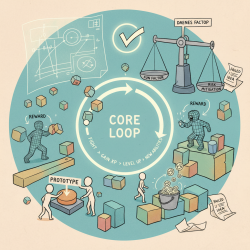
A crucial element within the pre-production phase is rapid prototyping. This involves quickly creating simplified, playable versions of core mechanics to test their viability and fun factor. Prototypes allow developers to experiment with gameplay loops, controls, and various design choices without investing significant time and resources into full asset creation.
Early iteration based on feedback from these prototypes is invaluable. It's far easier and cheaper to identify and fix fundamental design flaws during pre-production than much later in the development cycle. This iterative process refines the core idea, validating assumptions and making necessary adjustments before full-scale production begins.
Risk Mitigation and Vision Alignment
The thoroughness of concept and pre-production directly correlates with the reduction of risks in later stages. By clearly defining the game, its audience, and the technical and artistic requirements, potential pitfalls like scope creep, technical roadblocks, or misaligned team visions can be identified and addressed proactively. This foundational work ensures that when the entire team moves into full production, they are all working towards a shared, well-understood goal, minimizing costly rework and increasing the likelihood of successful project completion.
Summary
The concept and pre-production phases are indispensable for successful game development, laying a robust foundation through the meticulous definition of the core game idea, the precise identification of the target audience, and the comprehensive creation of initial design documents. This early strategic planning, including iterative prototyping and extensive documentation, not only solidifies the project's vision but also significantly mitigates risks and aligns all team members towards a unified and achievable goal, ensuring a smoother journey to launch.
Comprehension questions
 What are the primary objectives during the concept phase of game development?Why is it crucial to define the target audience early in the game development process?What key elements should be included in an initial Game Design Document?How does the pre-production phase help mitigate risks in subsequent development stages?
Review Quiz
Next Lesson

Course Contents : Mobile Game Development: From Concept to Launch
- >> 1.
 Concept and Pre-Production Phases