Mastering the Game's Post-Launch Lifespan via LiveOps
- -->> 2. Mastering the Game's Post-Launch Lifespan via LiveOps
What you'll learn
 Continuous Game EvolutionPlayer Engagement StrategiesPost-Launch MonetizationData-Driven Game Management
The true marathon post launch begins with what's known as Live Operations, or Live Ops. This critical discipline encompasses all the strategic and tactical efforts undertaken to maintain, evolve, and monetize a game after it has launched, ensuring its longevity, continued player engagement, and financial success. Without robust Live Ops, even the most groundbreaking game risks fading into obscurity soon after its initial hype.
What Exactly Are Live Operations?
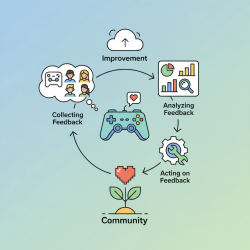
Live Operations extends far beyond just fixing bugs and pushing out minor patches. It's a holistic, ongoing process dedicated to nurturing a game's ecosystem and its community. At its core, Live Ops is about understanding player behavior, anticipating needs, and proactively delivering experiences that keep players invested and entertained over months, or even years. This involves a continuous cycle of analysis, planning, execution, and feedback.
The ultimate goal of Live Ops is to transform a product into a living service. This service must consistently provide value to its player base, foster a sense of community, and adapt to evolving trends and player expectations. It's the engine that drives player retention, boosts player lifetime value, and ultimately determines a game's long-term viability in a competitive market.
The Pillars of Effective Live Operations
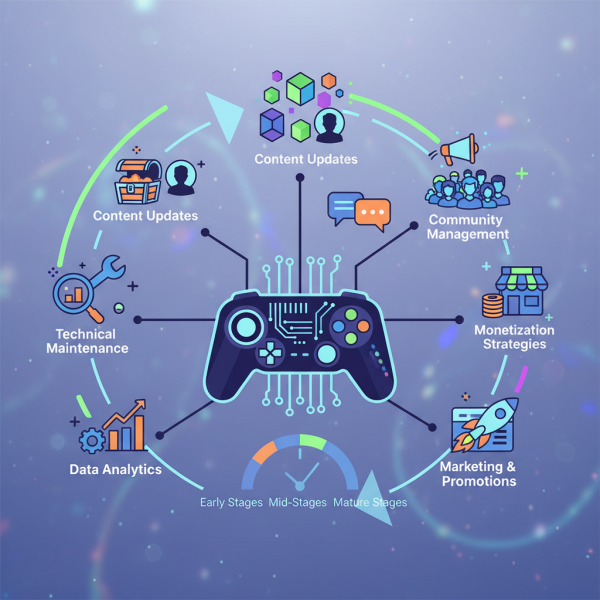
Effective Live Operations relies on several interconnected pillars, each crucial for maintaining a healthy and engaging game experience:
- Content Updates: Regularly introducing new levels, characters, game modes, storylines, or seasonal events to keep the gameplay fresh and exciting.
- Community Management: Actively engaging with the player base through forums, social media, and in-game communication channels, addressing feedback, and building a loyal community.
- Monetization Strategies: Implementing and refining ethical in-app purchases, battle passes, subscriptions, or cosmetic items that provide value to players while generating revenue.
- Technical Maintenance: Ensuring game stability, performance optimization, security updates, and swift resolution of critical bugs or exploits.
- Data Analytics: Collecting and analyzing player data, such as playtime, progression, purchase patterns, and churn rates, to inform future development and strategic decisions.
- Marketing & Promotions: Running in-game events, cross-promotions, and targeted campaigns to re-engage lapsed players and attract new ones.
Impact Across the Post-Launch Lifecycle
Live Ops isn't a static function; its focus shifts dramatically through different stages of a game's post-launch existence.
Early Stages (Launch to 3-6 Months)
Immediately after launch, the primary focus is on stability and initial player feedback. This involves rapid bug fixing, server optimization, and addressing critical gameplay balance issues. Live Ops teams monitor early engagement metrics closely, implement initial quality-of-life improvements, and roll out introductory events to capitalize on launch momentum. Building player trust and a stable foundation is paramount.
Mid-Stages (6 Months to 2 Years)
As the game matures, Live Ops transitions to sustained engagement. This phase is characterized by regular, substantial content updates, seasonal events, and the introduction of new core features. The goal is to combat player fatigue, expand the game's lore, and continually provide reasons for players to return. Balancing new content with existing systems and refining monetization strategies based on player behavior become key.
Mature Stages (2+ Years)
In its mature phase, a game's Live Ops might focus on maintaining a dedicated core audience. This could involve smaller, community-driven events, revisiting classic content, or supporting user-generated content. Strategies might also shift towards long-tail monetization, catering to specific player segments, and potentially laying groundwork for sequels or spin-offs, ensuring the game remains a viable, if niche, experience.
The Benefits of Robust Live Operations
Investing in robust Live Operations yields numerous benefits for both players and developers:
- Increased Player Retention: Keeps players engaged and returning to the game over extended periods.
- Enhanced Player Lifetime Value (LTV): Encourages continued spending through compelling content and fair monetization.
- Stronger Community & Brand Loyalty: Fosters a dedicated player base that advocates for the game.
- Extended Game Lifespan: Allows a single title to generate revenue and player enjoyment for many years.
- Valuable Data for Future Titles: Provides insights into player preferences and market trends for future game development.
- Competitive Advantage: Differentiates a game in a crowded market by offering a consistently evolving and supported experience.
Comprehension questions
 How does Live Operations extend beyond simple bug fixes in a game's post-launch phase?Name three key pillars of effective Live Operations and briefly explain their importance.What are two significant benefits that robust Live Operations bring to a game's long-term success?
Review Quiz
Next Lesson

Course Contents : Mastering Live Service Games
- >> 2.
 Mastering the Game's Post-Launch Lifespan via LiveOps