Assembling a Thriving Live Ops Team: Roles, Skills, and Strategies
- -->> 10. Assembling a Thriving Live Ops Team: Roles, Skills, and Strategies
What you'll learn
 Live Operations Team RolesEssential Skills for Live OpsLive Ops Strategy DevelopmentChallenges in Live Service Management
The launch of your game is often just the beginning. The real marathon lies in what comes next: Live Operations. Building and managing an effective Live Ops team is crucial for sustaining player engagement, fostering community growth, and ensuring long-term product success. This article will delve into the various roles and essential skills required to assemble a robust Live Ops team, highlighting the strategic considerations necessary to keep your product thriving long after its initial release.
What is Live Operations?
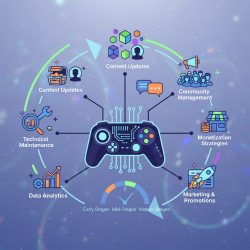
Live Operations, often shortened to Live Ops, encompasses all activities involved in managing a product post-launch. This includes monitoring performance, deploying updates, running in-game events, managing player communities, analyzing data, addressing technical issues, and implementing monetization strategies. The goal is to maximize the product's lifespan, keep players engaged, and drive continued revenue. It's a continuous cycle of planning, execution, monitoring, and iteration, driven by data and player feedback.
Key Roles in a Live Ops Team
A successful Live Ops team is multidisciplinary, bringing together diverse talents to cover all aspects of post-launch management. While specific titles may vary, the core functions remain consistent:
- Live Ops Manager/Lead: This individual orchestrates the entire Live Ops strategy, sets priorities, coordinates between different teams (development, marketing, support), and ultimately ensures the product meets its live service goals. They need strong leadership, project management, and strategic thinking skills.
- Game Designer (Live Ops Focus): Responsible for creating new content, events, and monetization features that keep players engaged. They iterate on existing mechanics, balance game systems, and design compelling reasons for players to return. A deep understanding of player psychology and game economy is vital.
- Data Analyst: The backbone of data-driven decision-making. This role involves collecting, analyzing, and interpreting vast amounts of player data to identify trends, measure the effectiveness of new features or events, and predict future player behavior. Strong statistical and analytical skills are paramount.
- Community Manager: The direct liaison between the development team and the player base. They foster a positive community environment, gather feedback, communicate updates, and act as the voice of the players internally. Excellent communication, empathy, and conflict resolution skills are key.
- Technical Operations/Support Specialist: Ensures the stability and performance of the live service. They monitor servers, manage deployments, troubleshoot technical issues, and provide direct player support. Technical proficiency, problem-solving abilities, and calm under pressure are essential.
- Marketing/Promotions Specialist: Focuses on promoting live events, new content, and special offers to the player base. They work to re-engage lapsed players and acquire new ones through various channels, often collaborating closely with the Live Ops Manager and Game Designer. Understanding of digital marketing and player acquisition funnels is crucial.
Essential Skills for Live Ops Professionals
Beyond specific role responsibilities, certain foundational skills are critical for every member of a Live Ops team:
- Analytical Thinking: The ability to interpret data, identify patterns, and make informed decisions based on performance metrics.
- Communication: Clear, concise, and empathetic communication is vital, both internally among team members and externally with the player community.
- Problem-Solving: Live Ops often involves unexpected challenges; team members must be adept at quickly identifying issues and devising effective solutions.
- Adaptability: The live service environment is constantly evolving, requiring team members to be flexible and quick to adjust strategies.
- Technical Proficiency: While varying by role, a general comfort with technology, tools, and platforms used in live services is beneficial.
- Customer Empathy: Understanding and anticipating player needs and frustrations is key to designing and operating a successful live product.
Building Your Live Ops Strategy
Assembling the right team is only half the battle; establishing a robust operational strategy is equally important. This involves:
- Defining Clear Goals and KPIs: What does success look like? Establish measurable key performance indicators (KPIs) for engagement, retention, monetization, and player satisfaction.
- Implementing Robust Tooling and Infrastructure: Invest in analytics platforms, community management tools, content management systems, and monitoring dashboards that provide real-time insights and efficient workflows.
- Establishing Clear Communication Protocols: Develop efficient channels for internal team communication, cross-functional collaboration, and external player outreach. Regular stand-ups, post-mortems, and feedback loops are crucial.
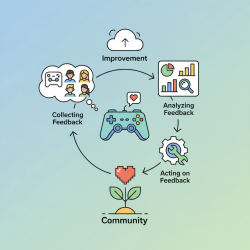
- Embracing Iteration and Feedback Loops: Live Ops is an ongoing process. Continuously collect player feedback, analyze data, and be prepared to iterate rapidly on content, features, and events. Agility is a significant asset here.
Challenges and Best Practices
Live Ops presents unique challenges that a well-prepared team can mitigate:
- Avoiding Burnout: The demanding 24/7 nature of live services can lead to burnout. Implement sustainable schedules, provide adequate resources, and promote a healthy work-life balance.
- Maintaining Player Trust: Transparency, honesty, and consistent delivery of quality content are essential for building and maintaining player trust over the long term. Avoid over-promising and under-delivering.
- Balancing Monetization and Player Experience: Striking the right balance between generating revenue and ensuring a positive, fair player experience is a constant challenge. Data-driven decisions and player feedback are critical here.
- Adapting to Unexpected Issues: Server outages, critical bugs, or community crises can arise suddenly. Having well-defined protocols and a responsive team is paramount.
Summary
Building an effective Live Ops team is an indispensable undertaking for any product aiming for sustained success in today's competitive digital landscape. It requires a diverse group of professionals with specialized skills, from strategic leadership and game design to data analysis and community management. By understanding these roles, cultivating essential skills, and implementing a clear operational strategy, organizations can foster player engagement, drive long-term growth, and ensure their product thrives for years to come. The continuous cycle of monitoring, adapting, and innovating is what truly defines successful live operations.
Comprehension questions
 What are the primary responsibilities of a Live Ops Manager?Which three essential skills are critical for nearly all Live Ops professionals, regardless of their specific role?How does a Data Analyst contribute to the success of a Live Ops team?What are some key aspects of building a robust Live Ops strategy, beyond just assembling the team?
Community Poll
Next Lesson

Course Contents : Mastering Live Service Games
- >> 10.
 Assembling a Thriving Live Ops Team: Roles, Skills, and Strategies