Strategies for Continuous Game Content Planning
- -->> 3. Strategies for Continuous Game Content Planning
What you'll learn
 Audience UnderstandingContent CadenceRoadmap DevelopmentPlayer Communication
To thrive and maintain relevance, developers must adopt a mindset of continuous engagement, strategically planning and delivering a steady stream of new content, updates, and events. This ongoing effort is paramount for retaining existing players, attracting new ones, and ultimately fostering a vibrant, long-lasting community around your title. A well-executed continuous content strategy transforms a one-time purchase into an evolving experience, cementing its place in players' libraries and hearts.
Understanding Your Audience and Game Lifecycle
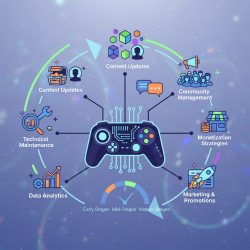
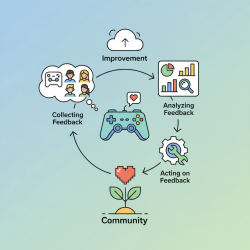
Before any content can be developed, a deep understanding of your player base is essential. Who are they? What are their play habits? What do they enjoy most about your game? Utilize analytics, surveys, and community feedback to paint a clear picture of player preferences and pain points. Content should be tailored not just to player types, but also to the game's lifecycle. Early on, content might focus on onboarding and expanding core mechanics. As the game matures, the emphasis shifts to endgame challenges, competitive balance, and novel experiences that keep veterans invested.
Different player segments will respond to different content types. Casual players might appreciate seasonal events and cosmetic rewards, while hardcore players crave competitive balance changes, new challenging modes, or narrative expansions. Segmenting your audience allows for targeted content creation that resonates more deeply.
The Content Cadence and Types
Establishing a predictable, yet exciting, content cadence is key. This involves balancing major updates with smaller, more frequent additions to keep the game fresh without overwhelming development teams or players. A mix of content types caters to diverse interests:
- Quality-of-Life (QoL) Updates and Bug Fixes: Essential for maintaining player satisfaction and trust. These regular, often smaller, patches address technical issues and improve user experience.
- Balance Adjustments: Crucial for competitive games, ensuring fairness and meta evolution. These often accompany QoL updates.
- Seasonal and Holiday Events: Limited-time events with unique rewards, often tied to real-world holidays or in-game lore. These create anticipation and encourage returning players.
- New Characters, Units, or Classes: Introduces new gameplay dynamics and strategic options, often accompanied by backstory and unique abilities.
- New Maps, Levels, or Environments: Provides fresh arenas for existing gameplay, revitalizing exploration and combat.
- Story Expansions: For narrative-driven games, these continue the overarching plot or introduce compelling side stories.
- Cosmetic Items and Customization Options: A popular form of content, allowing players to personalize their experience without directly impacting gameplay.
- New Game Modes: Offers entirely new ways to play, extending replayability and catering to different preferences (e.g., PvP, PvE, cooperative modes).
Developing a Robust Content Roadmap
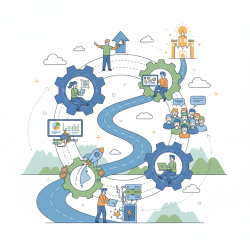
A content roadmap is your strategic blueprint, outlining the major content releases over a significant period, typically 12-18 months. This roadmap shouldn't be rigid but rather a living document that guides development while allowing for flexibility based on player feedback and market trends. Break down the long-term vision into shorter, manageable sprints, perhaps quarterly or biannually, each with specific content goals.
This strategic planning involves cross-functional teams, including design, engineering, art, and marketing, to ensure all aspects of content development are coordinated. Prioritization is critical, balancing innovative new features with necessary maintenance and community-requested improvements. Integrate mechanisms for regular feedback analysis and be prepared to iterate on the roadmap, adjusting priorities and timelines as needed.
Scheduling and Communication
Once the content is planned, effective scheduling and transparent communication become paramount. Create a detailed release calendar, not just for players but also for internal teams, ensuring everyone is aligned on delivery dates and responsibilities. Use project management tools to track progress and identify potential bottlenecks early.
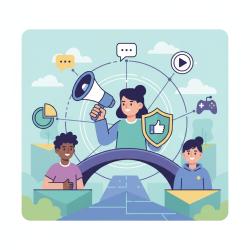
Player communication is equally vital. It builds excitement, manages expectations, and keeps your community informed. A well-executed communication strategy includes:
- Teaser Campaigns: Generate hype leading up to a major update with cryptic messages, screenshots, or short videos.
- Developer Diaries and Blogs: Offer behind-the-scenes insights into the development process, fostering a sense of connection and transparency.
- Detailed Patch Notes: Clearly outline all changes, additions, and fixes in new updates, empowering players with information.
- Community Manager Updates: Regular engagement with the player base through forums, social media, and live streams, answering questions and gathering feedback.
- Player Surveys: Directly solicit input on desired features, existing problems, and overall satisfaction.
Consistent, honest communication helps to build a loyal player base that feels heard and valued.
Measuring Success and Adapting
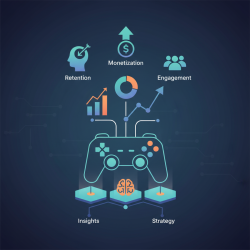
After content is released, the work isn't over. It's crucial to measure its impact and learn from the data. Key Performance Indicators (KPIs) such as daily active users (DAU), monthly active users (MAU), player retention rates, average session length, content consumption metrics, and monetization performance provide invaluable insights. Track specific engagement with new features, event participation rates, and player sentiment through community channels.
Analyze what worked well and what didn't. Did a new game mode increase player numbers? Did a seasonal event boost retention? Use this data to inform future content decisions and refine your strategy. The gaming landscape is constantly evolving, so your continuous content plan must be flexible and ready to adapt based on real-world performance and the ever-changing desires of your players.
Summary
successful continuous content planning is a multi-faceted process that extends far beyond a game's initial launch. It requires a deep understanding of your audience, a diverse array of content types delivered on a thoughtful cadence, a robust and adaptable roadmap, transparent communication with your community, and a commitment to data-driven iteration. By mastering these strategies, developers can ensure their games remain engaging, relevant, and beloved for years to come, fostering sustained player engagement and a thriving community.
Comprehension questions
 Why is understanding your audience and the game's lifecycle crucial before developing content?What are three different types of content updates that can keep players engaged?How does a robust content roadmap assist in managing game development resources and direction?What role does transparent player communication play in a successful continuous content strategy?
Community Poll
Next Lesson
Course Contents : Mastering Live Service Games
- >> 3.
 Strategies for Continuous Game Content Planning