Understanding the Live Service Game Model
- -->> 1. Understanding the Live Service Game Model
What you'll learn
 Continuous Content DeliveryCommunity EngagementSustainable MonetizationTechnical Stability
The gaming industry has undergone a significant transformation, moving beyond the traditional one-time purchase model to embrace what is widely known as the live service model. This paradigm shift redefines the relationship between developers, games, and players, treating games not as static products to be bought and consumed, but as dynamic, evolving platforms that offer ongoing experiences. Understanding this model is crucial for anyone involved in or observing modern game development, as it underpins many of the most successful and enduring titles of the last decade. It signifies a commitment to continuous engagement, sustained development, and an ever-present interaction with the player base, fostering communities around digital worlds that grow and change over time.
What is the Live Service Model?
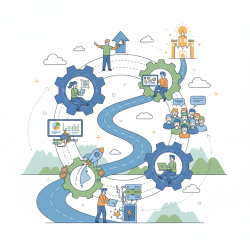
At its heart, the live service model posits that a game's release is merely the beginning of its journey. Instead of a finished product, it's a foundation upon which new content, features, and refinements are continuously built. This approach emphasizes an ongoing operational phase, where developers actively support, update, and expand the game long after its initial launch. The goal is to maximize player retention and engagement over an extended period, transforming passive consumers into active participants within a persistent digital ecosystem. This continuous cycle of creation and consumption ensures that the game remains fresh, relevant, and compelling, encouraging players to invest their time and resources for months, or even years.
Core Principles of Live Services
Operating a successful live service game requires adherence to several fundamental principles that guide its development and ongoing management. These principles ensure the game's longevity and the health of its player community.
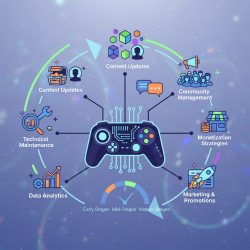
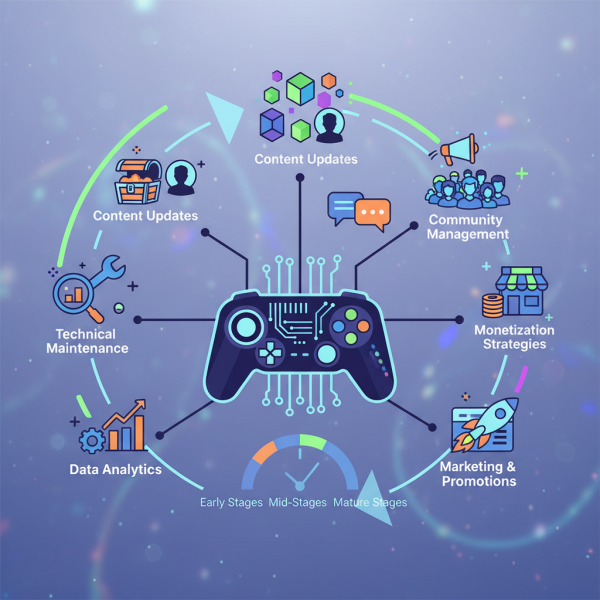
- Continuous Content Delivery: Regular updates, new game modes, story expansions, seasonal events, and cosmetic items are essential to keep players engaged and provide new reasons to return. This consistent influx of fresh material combats player fatigue and provides a sense of progression and novelty.
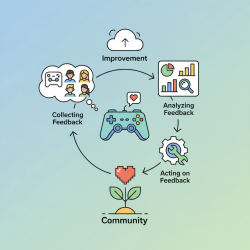
- Community Engagement and Feedback: A robust feedback loop with the player base is vital. Developers must actively listen to their community, respond to concerns, and integrate player suggestions where appropriate. This fosters a sense of ownership and loyalty among players, making them feel heard and valued.
- Sustainable Monetization Strategies: While often involving microtransactions, a live service game's monetization should be fair, transparent, and offer genuine value. This can include battle passes, cosmetic items, expansions, or subscription models, all designed to generate ongoing revenue without alienating the player base through predatory practices.
- Technical Stability and Iteration: A game that frequently crashes or is riddled with bugs will quickly lose its audience. Prioritizing technical stability, performance optimization, and rapid iteration on balance changes and bug fixes is crucial for maintaining a positive player experience and trust.
Benefits for Developers and Publishers
The live service model offers numerous advantages for game developers and publishers, reshaping their business strategies and long-term outlook.
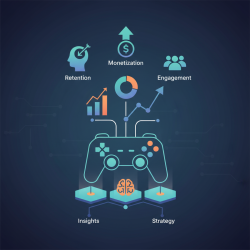
- Extended Revenue Streams: Unlike one-off sales, live services generate ongoing income through subscriptions, microtransactions, and seasonal passes, providing a more stable and predictable financial pipeline over time. This reduces the pressure of relying solely on launch-week sales.
- Deeper Player Loyalty and Retention: By continuously providing value and listening to player feedback, developers can cultivate a highly dedicated player base that remains engaged for longer periods, often becoming advocates for the game. This translates to lower player churn and a more stable community.
- Data-Driven Development: Live service games generate vast amounts of telemetry data on player behavior, preferences, and engagement patterns. This data is invaluable for making informed decisions about future content, balancing, and feature development, ensuring resources are allocated effectively.
- Brand Building: A successful live service game can become a powerful brand, fostering a loyal community and creating a persistent presence in the gaming landscape that extends beyond a single product cycle. This longevity can lead to significant brand recognition and value.
Benefits for Players
Players, too, stand to gain significantly from the live service model when it is executed thoughtfully and ethically.
Foremost among these is the promise of an ever-evolving experience. Players are not just buying a game; they are investing in a growing world that continuously offers new challenges, stories, and ways to play. This means that their initial purchase can provide value for hundreds, if not thousands, of hours as the game expands and refines itself. New content breathes life into familiar mechanics, preventing stagnation and offering fresh perspectives. Furthermore, the strong emphasis on community engagement often leads to a more responsive and player-centric development process. Players feel like they are part of the journey, contributing to the game's direction through their feedback and participation. This fosters stronger community bonds, as players collaborate, compete, and share experiences within a persistent, supported environment. The consistent stream of updates means that the game they enjoy today will likely be even richer and more polished tomorrow, ensuring a dynamic and sustained entertainment investment.
Challenges of the Live Service Model
Despite its many advantages, the live service model is not without its significant challenges. The initial investment in infrastructure, tools, and a larger, dedicated team can be substantial, making it a high-stakes venture. There's also the constant demand for new, high-quality content, which requires sustained creativity and resources to prevent player fatigue. Balancing monetization with player satisfaction is a delicate act; missteps can quickly lead to widespread backlash and loss of player trust. Moreover, managing and moderating a large, active community demands significant resources and expertise, as community sentiment can make or break a game. These factors highlight that while the rewards can be great, so too are the operational complexities and risks.
Summary
In conclusion, the live service model represents a fundamental shift in how games are developed, published, and consumed. It moves away from the traditional product-centric approach to an ongoing service model, emphasizing continuous content delivery, deep community engagement, sustainable monetization, and technical excellence. This strategy offers significant benefits to both developers, through extended revenue and data-driven insights, and players, who enjoy ever-evolving experiences and stronger community ties. While presenting distinct challenges related to investment, content demand, and community management, when executed effectively, the live service model fosters unparalleled longevity and player loyalty, solidifying its place as a cornerstone of the modern gaming industry.
Comprehension questions
 What is the core difference between the traditional game release model and the live service model?Name two key benefits that the live service model offers to game developers and publishers.How does continuous content delivery contribute to the success of a live service game?What are some of the primary challenges associated with operating a live service game?
Review Quiz
Next Lesson
Course Contents : Mastering Live Service Games
- >> 1.
 Understanding the Live Service Game Model