Mastering Incident Response and Crisis Management
- -->> 8. Mastering Incident Response and Crisis Management
What you'll learn
 Incident Response PlanningCrisis Management StrategyProactive PreparednessStakeholder Communication
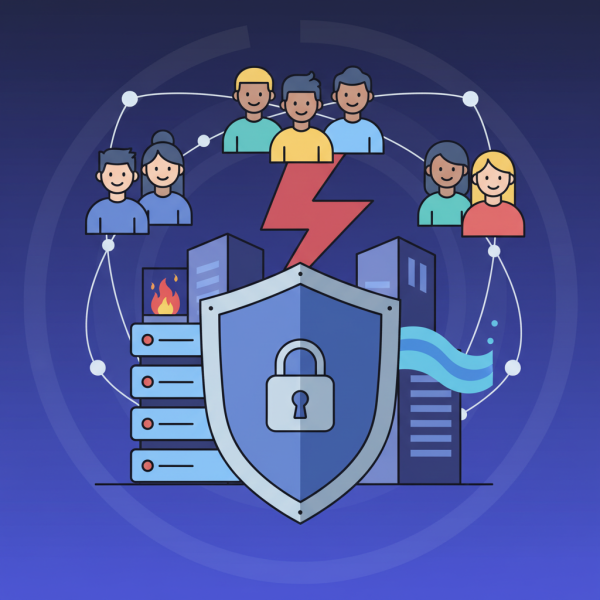
From unexpected server outages that cripple operations to social media backlashes that damage reputation, the unexpected can strike at any moment. The ability to effectively prepare for, respond to, and recover from such unforeseen challenges is not just a best practice; it is a fundamental requirement for maintaining operational continuity, protecting assets, and preserving stakeholder trust. This article explores the critical interplay between incident response and crisis management, detailing how robust planning can transform potential disasters into manageable challenges.
Understanding Incident Response
Incident response is the structured approach an organization takes to identify, manage, and mitigate the effects of security incidents and operational disruptions. It's about having a clear, actionable plan to deal with events like data breaches, service interruptions, system failures, or cyberattacks. The goal is to limit damage, reduce recovery time and costs, and learn from each event to improve future resilience.
Effective incident response goes beyond technical fixes. It involves a coordinated effort across various teams, including IT, security, legal, communications, and management. A well-defined incident response plan acts as a roadmap, guiding personnel through the chaos of an emergency and ensuring a consistent and efficient reaction.
Key Components of an Incident Response Plan
A comprehensive incident response plan typically breaks down the process into several distinct phases, each with specific objectives and actions. Adhering to these phases ensures a systematic approach to handling incidents.
Detection and Analysis
- Monitoring Systems: Continuously monitor systems and networks for unusual activity or indicators of compromise. This includes logs, network traffic, and application performance metrics.
- Alerting Mechanisms: Establish clear alerting thresholds and notification procedures to ensure relevant personnel are informed immediately when an incident is detected.
- Initial Assessment: Quickly determine the scope, nature, and potential impact of the incident to prioritize the response efforts. This phase also involves collecting initial evidence.
Containment, Eradication, and Recovery
- Containment: Take immediate steps to prevent the incident from spreading further. This might involve isolating affected systems, disconnecting networks, or temporarily shutting down services.
- Eradication: Identify and eliminate the root cause of the incident. This could mean patching vulnerabilities, removing malware, or fixing misconfigurations.
- Recovery: Restore affected systems and services to full operation. This includes restoring data from backups, verifying system integrity, and monitoring for recurrence.
Post-Incident Activity
After an incident has been resolved, it's crucial to conduct a thorough review. This involves documenting lessons learned, identifying areas for improvement in processes and technology, and updating incident response plans accordingly. Communication with stakeholders, internal and external, about the resolution and preventative measures taken is also vital.
Navigating Crisis Management
While incident response focuses on the technical and operational aspects of handling a specific event, crisis management encompasses the broader organizational response to a significant disruptive event that threatens the organization's reputation, financial stability, or very existence. Crisis management deals with the strategic communication, stakeholder engagement, and decision-making processes required to mitigate reputational damage and ensure long-term stability.
A crisis management plan works hand-in-hand with incident response. Incident response provides the technical solution to the problem, while crisis management addresses the broader business implications, public perception, and strategic communications. It's about managing the narrative and maintaining trust.
Proactive Measures and Preparation
The best defense against incidents and crises is robust preparation. Proactive measures significantly reduce the likelihood and impact of unexpected issues.
Regular Drills and Training
Conducting regular incident response drills and tabletop exercises is essential. These simulations help teams practice their roles, identify weaknesses in plans, and improve coordination under pressure. Training personnel on security best practices and incident procedures is also a continuous requirement.
Ensuring that all staff, from front-line employees to senior management, understand their responsibilities during an incident can drastically improve response times and effectiveness. This includes awareness campaigns about phishing, social engineering, and data handling protocols.
Communication Strategy
Develop a clear and consistent communication strategy for various scenarios. This includes internal communications to keep employees informed and external communications for customers, media, regulators, and partners. Having pre-approved templates and designated spokespersons can streamline messaging during a crisis.
The Human Element: Community Backlash
Beyond technical failures, organizations often face the challenge of community backlash, particularly in the age of social media. A perceived misstep, a product flaw, or a data breach can quickly escalate into a public relations crisis. Effective crisis management must include strategies for monitoring social media, engaging with the community transparently, and addressing concerns proactively.
Authenticity, empathy, and speed are paramount when responding to public sentiment. A well-managed incident response that includes swift, honest communication can often turn a potential backlash into an opportunity to demonstrate accountability and strengthen customer loyalty.
Summary
Effectively managing unexpected issues, server outages, and community backlashes requires a comprehensive and integrated approach combining incident response and crisis management. By establishing clear incident response plans that cover detection, containment, eradication, and recovery, organizations can mitigate operational damage. Complementing this with a robust crisis management strategy, encompassing proactive preparation, regular drills, and transparent communication, enables organizations to navigate broader reputational threats, ensuring resilience and maintaining trust in an unpredictable environment.
Comprehension questions
 What is the primary goal of an incident response plan?Name and briefly describe two key phases of an incident response plan.How does crisis management differ from incident response, and how do they work together?What proactive measures are recommended to strengthen an organization's defense against incidents and crises?
Review Quiz
Next Lesson

Course Contents : Mastering Live Service Games
- >> 8.
 Mastering Incident Response and Crisis Management