The Evolving Landscape of Live Service Gaming
- -->> 11. The Evolving Landscape of Live Service Gaming
What you'll learn
 Player Engagement TrendsTechnological Innovations in GamingChallenges in Live ServicesDeveloper-Community Relationship
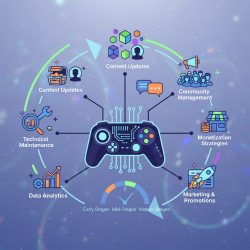
Live service games have fundamentally reshaped the video game industry over the past decade, transforming one-time purchases into ongoing relationships between players and developers. What began with early MMOs and grew through titles like World of Warcraft and Destiny, has now become a dominant model, offering continually evolving worlds and experiences. As technology advances and player expectations shift, the future of live services is poised for another significant evolution, driven by new trends, groundbreaking technologies, and persistent challenges that will define the next generation of these dynamic digital ecosystems.
Emerging Trends in Player Engagement
The core of any successful live service game lies in its ability to maintain player engagement over extended periods. Future trends are pushing this concept further, moving beyond mere content drops to create deeply personalized and interconnected experiences.
One major trend is hyper-personalization, where artificial intelligence and machine learning algorithms analyze individual player data to tailor content, challenges, and even narratives. This means dynamic difficulty adjustments, personalized quest lines, and custom cosmetic recommendations, all designed to keep each player uniquely invested.
Cross-platform ecosystems are also becoming standard. The goal is seamless play across consoles, PC, and mobile devices, allowing players to pick up their progress anywhere, at any time. This unification extends beyond just gameplay, fostering single, massive communities that transcend hardware barriers.
Community-driven content and co-creation represent another powerful shift. Empowering players with robust in-game tools for user-generated content (UGC), modding support, and direct feedback loops with developers will foster a stronger sense of ownership and belonging. Games will become platforms for player creativity, where the community itself actively shapes the evolving world.
Technological Advancements Fueling Innovation
Underpinning these evolving trends are significant technological leaps that are making previously impossible feats a reality. These innovations are not just incremental improvements but foundational shifts in how live services can be designed and delivered.
Cloud gaming and edge computing are dramatically expanding accessibility and potential complexity. By offloading demanding computations to remote servers, developers can create richer, more persistent worlds without relying on powerful local hardware. Edge computing further reduces latency, making cloud-streamed experiences virtually indistinguishable from local play, opening up live services to a much broader audience globally.
Artificial intelligence and machine learning are revolutionizing content creation and player experience. Beyond personalization, AI can procedurally generate vast amounts of unique content, from environmental details to enemy behaviors, reducing the burden on human developers. Advanced AI also powers more believable and adaptive NPCs, contributing to a more dynamic and reactive game world.
The integration of blockchain and Web3 technologies, while still nascent, holds potential for truly player-owned economies. This could manifest as verifiable digital ownership of in-game assets, allowing players to trade or even utilize items across different games in a secure, transparent manner. The emphasis here is on genuine utility and player empowerment rather than speculative assets.
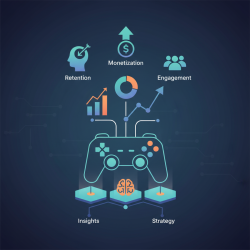
Sophisticated data analytics continue to provide developers with unprecedented insights into player behavior, preferences, and engagement patterns. Predictive modeling, driven by machine learning, can help identify potential issues, forecast content success, and inform strategic development decisions, ensuring resources are allocated effectively to what players truly want.
Challenges on the Horizon
Despite the exciting potential, the future of live services is not without significant hurdles that developers must navigate carefully to ensure long-term success and player satisfaction.
- Player Fatigue and Content Burnout: The insatiable demand for new content can lead to developers rushing updates or players feeling overwhelmed, ultimately resulting in burnout. Balancing the pace of content with player capacity is crucial.
- Monetization Ethics: Finding the right balance between generating revenue and providing fair, enjoyable experiences remains a delicate act. Aggressive monetization strategies can alienate players and damage a game's reputation.
- Technical Debt and Scalability: Continuously evolving a massive online game can lead to accumulating technical debt. Ensuring the underlying architecture can scale to support growing player bases and new features without breaking is a constant engineering challenge.
- Security and Anti-Cheat: As stakes rise and economies deepen, protecting the integrity of the game world from cheating, hacking, and exploits becomes even more critical for maintaining a fair play environment.
- The "Forever Game" Ideal vs. Reality: While many aspire to create games that last for decades, the practicalities of maintaining such a title – including evolving graphics, engine updates, and developer interest – present significant long-term challenges.
The Role of Developers and Community
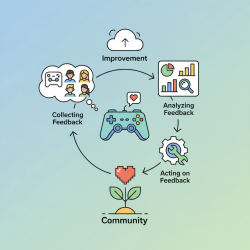
The relationship between developers and their player base will be more critical than ever. Live service success hinges on agile, iterative development cycles that incorporate continuous feedback. Transparency in communication, including roadmaps and explanations for changes, builds trust and fosters a sense of partnership with the community.
Empowering players through tools for content creation, community events, and direct influence on game direction transforms passive consumers into active contributors. This symbiotic relationship ensures the game evolves in ways that resonate deeply with its dedicated audience, fostering unparalleled loyalty.
Summary
The future of live service games is characterized by a drive towards hyper-personalized experiences, seamless cross-platform functionality, and robust community co-creation, all powered by advancements in cloud computing, AI, and potentially Web3 technologies. While significant challenges such as player fatigue, ethical monetization, and technical scalability persist, successful navigation will depend on strong developer-community relationships and continuous, iterative development to foster truly engaging and enduring digital worlds.
Comprehension questions
 What are three emerging trends discussed for maintaining player engagement in future live service games?How are cloud gaming and AI expected to impact the development and delivery of live service experiences?Name two significant challenges that developers face in sustaining live service games over the long term.Why is the relationship between developers and the player community becoming increasingly critical for live service success?
Community Poll
Next Lesson

Course Contents : Mastering Live Service Games
- >> 11.
 The Evolving Landscape of Live Service Gaming